Navigating the Rugged: Key Specifications of All-Terrain Forklifts
2025-07-30 05:40:29
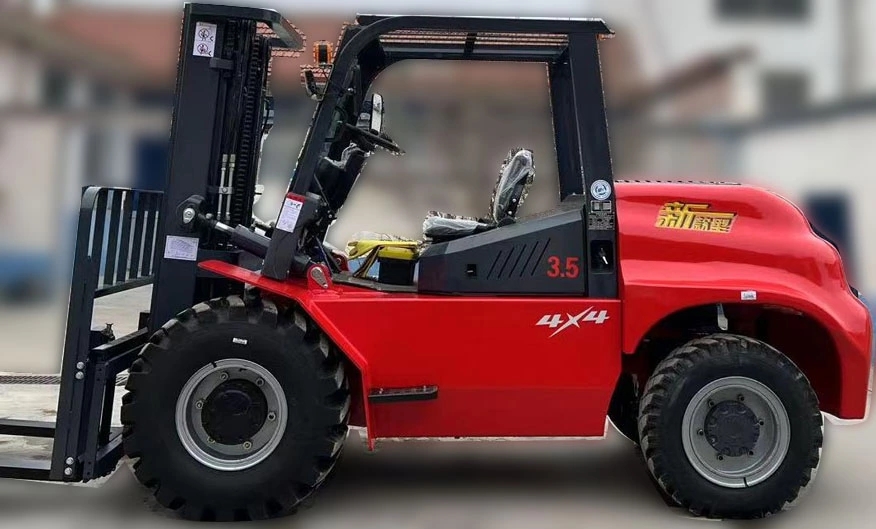
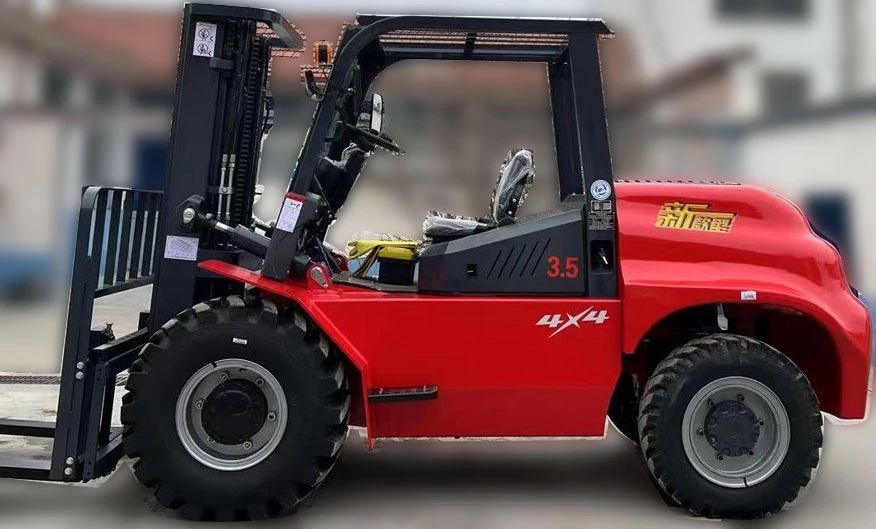
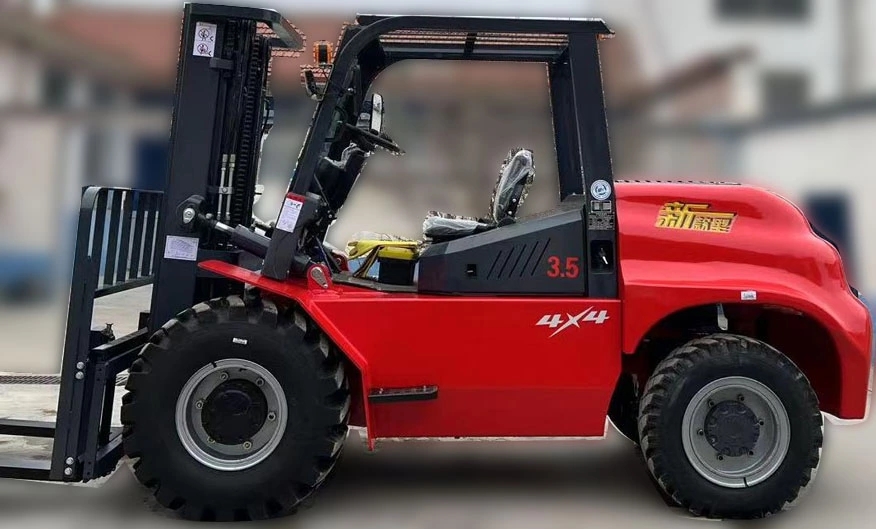
All-terrain forklifts are designed to operate efficiently on uneven, rough, or unstable surfaces, making them indispensable in construction, agriculture, and heavy logistics. One of the most critical specifications is their load capacity, which typically ranges from 3,000 to 36,000 lbs, depending on the model. These machines feature reinforced chassis and heavy-duty tires to ensure stability under heavy loads, even on challenging terrain. Additionally, their lifting height can extend up to 20 feet, allowing for efficient stacking and retrieval in outdoor storage yards or job sites.
Another defining feature of all-terrain forklifts is their drivetrain and engine power. Most models are equipped with high-torque diesel engines, delivering between 74 to 150 horsepower to navigate steep inclines and muddy conditions. Four-wheel drive (4WD) is standard, providing superior traction, while some advanced models include differential locks for enhanced performance on loose surfaces. The transmission systems often offer multiple speed settings, enabling operators to switch between precision maneuvering and high-speed travel across long distances.
Tire specifications play a pivotal role in the functionality of all-terrain forklifts. Unlike standard forklifts, these machines use large, pneumatic tires with deep treads to absorb shocks and maintain grip on gravel, sand, or snow. Some models feature foam-filled or solid tires to prevent punctures in debris-heavy environments. The tire width and pressure are also optimized to distribute weight evenly, reducing ground pressure and minimizing surface damage—a crucial consideration for eco-sensitive job sites.
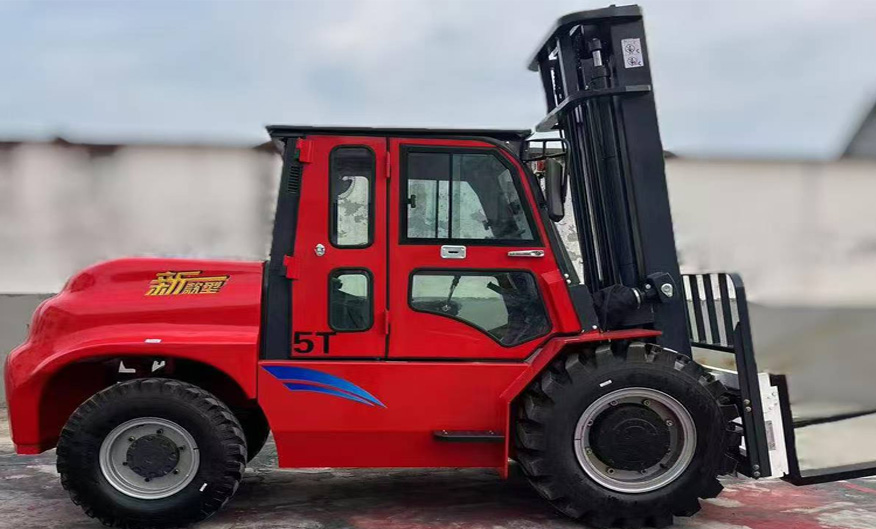
Operator safety and comfort are prioritized in all-terrain forklift designs. ROPS (Roll-Over Protective Structures) and FOPS (Falling Object Protective Structures) are mandatory, ensuring protection in case of accidents. The cabins are often climate-controlled, with ergonomic seating and intuitive control panels to reduce fatigue during extended shifts. Advanced models may include telematics systems for real-time monitoring of performance metrics, such as fuel consumption and maintenance alerts, enhancing operational efficiency.
Finally, all-terrain forklifts are built for longevity, with corrosion-resistant materials and easy-access maintenance points. Their hydraulic systems are designed to withstand extreme temperatures, while the braking mechanisms incorporate anti-lock technology for reliable stopping power. With these specifications, all-terrain forklifts offer unmatched reliability in demanding applications, ensuring productivity in even the harshest conditions.