Navigating the Robust Specifications of All-Terrain Forklifts
2025-08-09 04:20:31
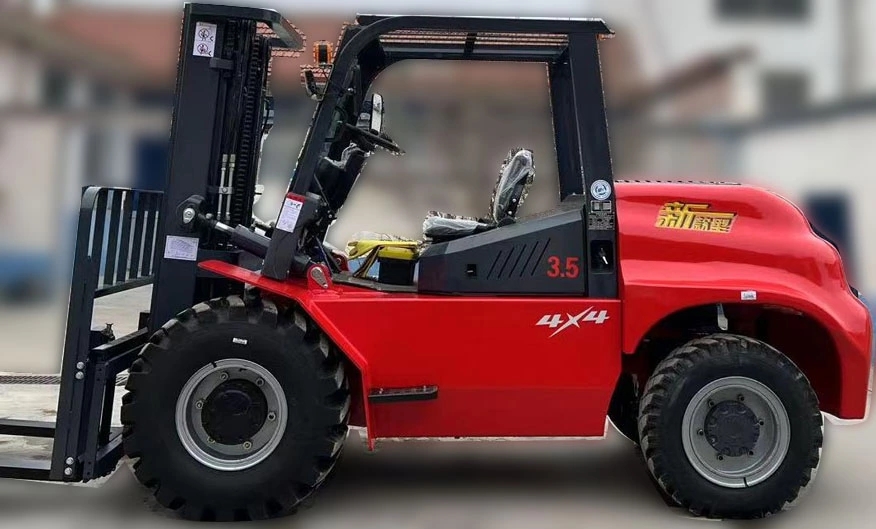
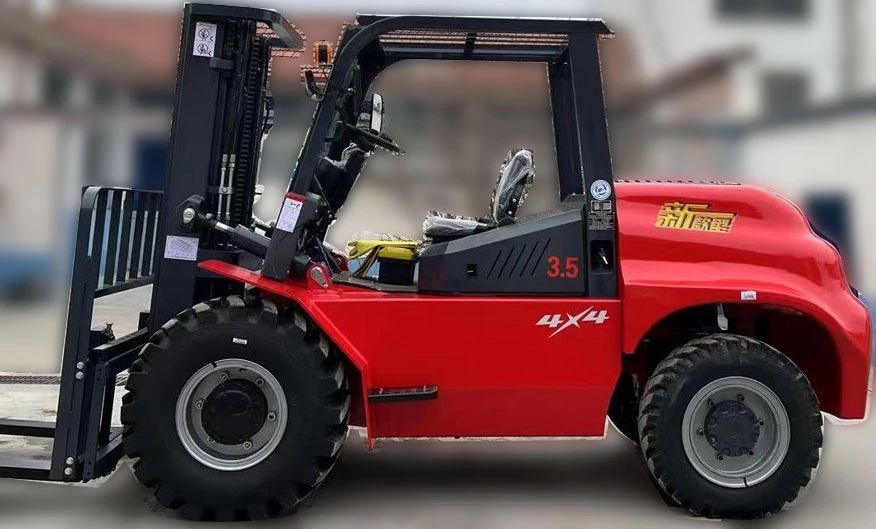
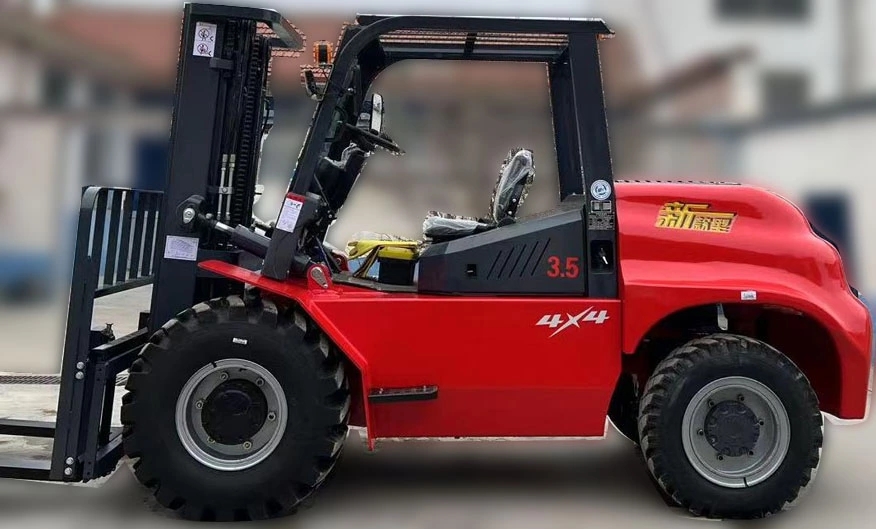
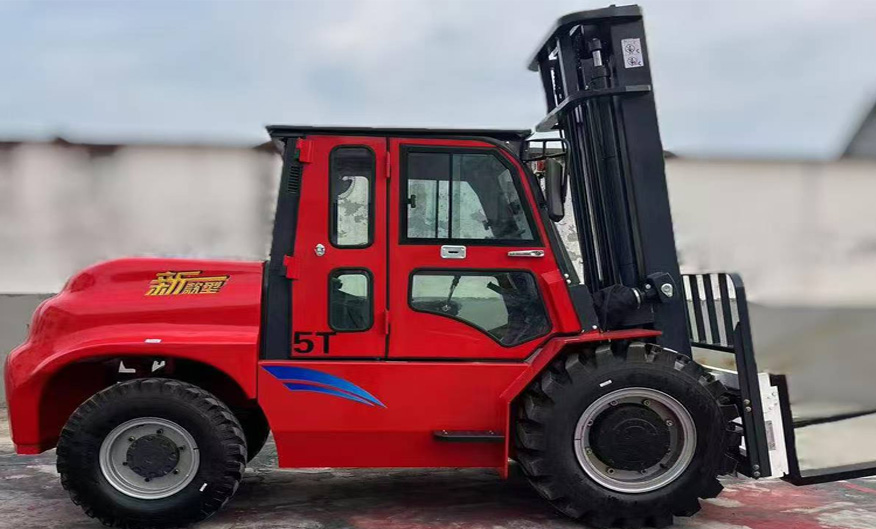
All-terrain forklifts are designed to operate efficiently across uneven, muddy, or rocky surfaces, making them indispensable in construction, agriculture, and logistics. Key specifications include load capacities ranging from 3,000 to 12,000 kg, ensuring versatility for heavy-duty applications. These machines often feature reinforced chassis and high-traction tires, enabling stability on challenging terrains. Additionally, their hydraulic systems are calibrated for smooth lifting even under maximum loads, ensuring operational safety and efficiency.
Engine performance is a defining factor in all-terrain forklift specifications. Most models are equipped with turbocharged diesel engines, delivering 75 to 150 horsepower to tackle steep inclines and rough landscapes. Advanced emission control systems comply with Tier 4 Final standards, reducing environmental impact without compromising power. Fuel efficiency is optimized through variable-speed transmissions, which adjust torque dynamically based on terrain demands. These specifications ensure that all-terrain forklifts maintain peak performance in extreme conditions while minimizing downtime.
Maneuverability is another critical aspect of all-terrain forklift specifications. Articulated steering systems allow for tight turns in confined spaces, while oscillating axles enhance stability on uneven ground. Ground clearance typically ranges from 300 to 450 mm, preventing undercarriage damage when traversing obstacles. Furthermore, advanced suspension systems absorb shocks, reducing operator fatigue during prolonged use. These features collectively enhance productivity in industries where terrain unpredictability is a constant challenge.
Safety specifications for all-terrain forklifts include rollover protection structures (ROPS) and falling object protective structures (FOPS), ensuring operator security in hazardous environments. Load-sensing hydraulics prevent tipping by automatically adjusting lift speeds based on weight distribution. Additionally, LED lighting and 360-degree visibility designs improve nighttime and low-visibility operations. Compliance with ISO and OSHA standards underscores the reliability of these machines, making them a trusted choice for high-risk applications.
Technological advancements have further refined all-terrain forklift specifications. Telematics systems enable real-time monitoring of fuel consumption, maintenance alerts, and operational diagnostics. Some models integrate autonomous driving capabilities for repetitive tasks, boosting efficiency in large-scale projects. With customizable attachments like rotating forks or telescopic booms, these forklifts adapt to diverse material handling needs. As industries evolve, all-terrain forklifts continue to set benchmarks in durability, innovation, and performance.