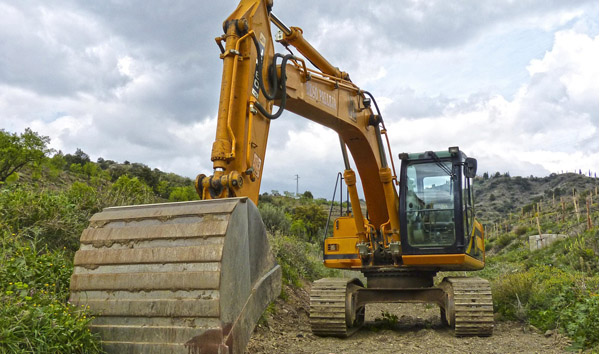
Navigating the Capabilities of Modern All-Terrain Forklifts
2025-08-09 04:25:32
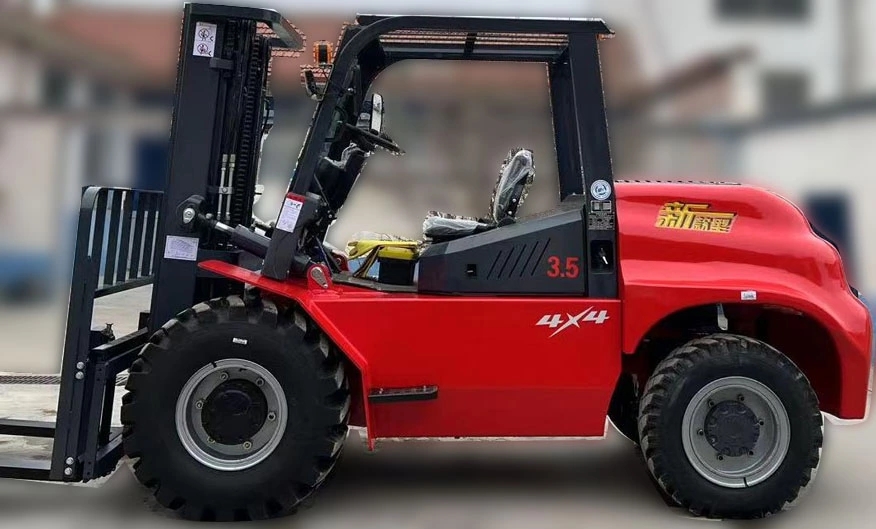
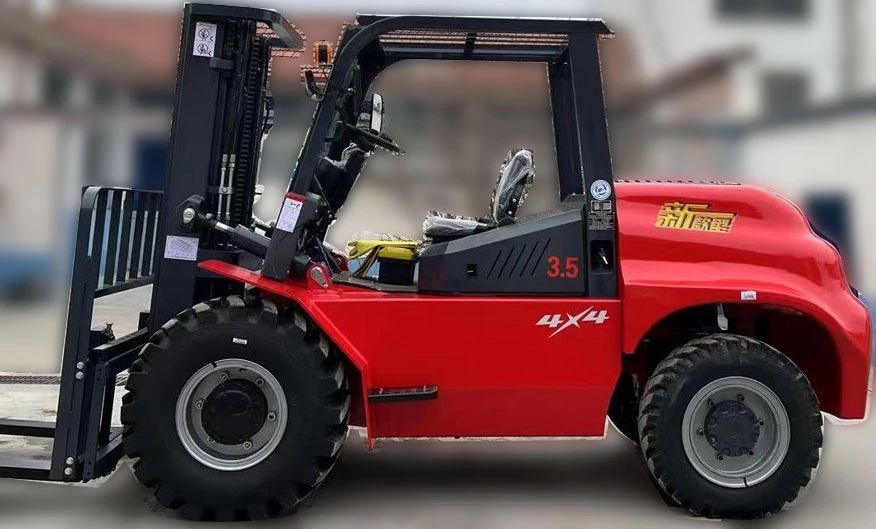
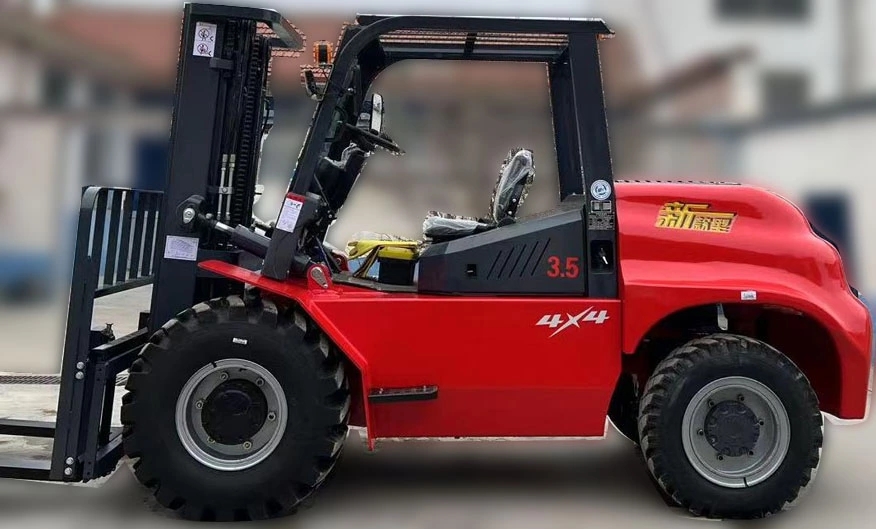
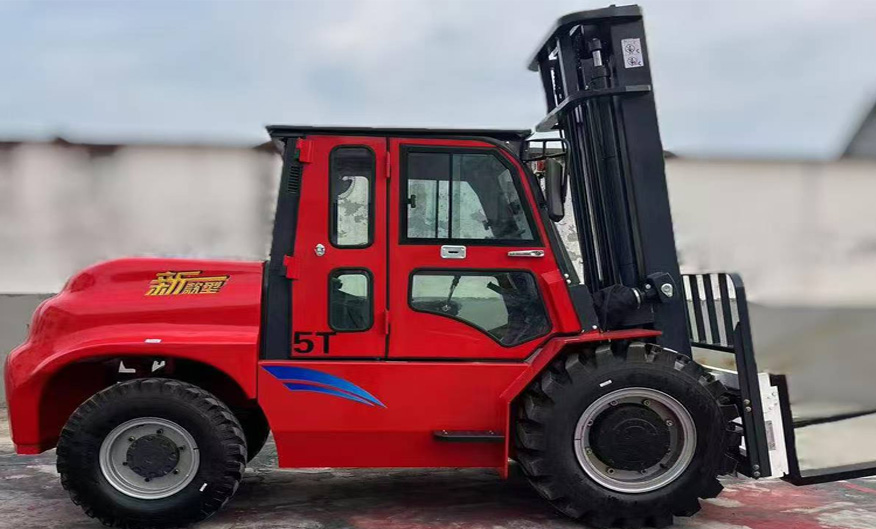
All-terrain forklifts are engineered to operate efficiently across uneven, muddy, or rocky surfaces, making them indispensable in construction, agriculture, and logistics. Key specifications include load capacities ranging from 5,000 to 15,000 lbs, ensuring versatility for heavy-duty tasks. These machines often feature four-wheel drive (4WD) systems, high ground clearance, and reinforced tires to maintain stability on rough terrain. Additionally, their hydraulic systems are optimized for precision lifting even in adverse conditions.
One of the defining characteristics of all-terrain forklifts is their robust powertrain. Most models are equipped with turbocharged diesel engines, delivering between 75 to 150 horsepower to handle steep inclines and heavy payloads. Advanced transmission options, such as hydrostatic or powershift systems, provide smooth operation across varying surfaces. Furthermore, fuel efficiency remains a priority, with some models incorporating eco-mode settings to reduce consumption without compromising performance. These specifications ensure that all-terrain forklifts can sustain prolonged operation in remote or demanding job sites.
Safety features are another critical aspect of all-terrain forklift specifications. Rollover protection structures (ROPS) and falling object protective structures (FOPS) are standard, safeguarding operators in hazardous environments. Enhanced braking systems, including anti-lock brakes (ABS) and dynamic load sensing, improve control during sudden stops or downhill maneuvers. Additionally, modern models integrate telematics for real-time monitoring of machine health, operator behavior, and fuel usage. These innovations align with industry regulations while minimizing downtime and maintenance costs.
The adaptability of all-terrain forklifts extends to their attachment compatibility. Many units support interchangeable forks, clamps, and booms, allowing them to handle diverse materials like lumber, pipes, or palletized goods. Some high-end models even feature telescopic booms for extended reach, making them suitable for specialized tasks in warehousing or forestry. The ability to customize these machines enhances their utility across multiple sectors, reinforcing their role as a versatile material handling solution.
Market trends indicate a growing demand for all-terrain forklifts, driven by infrastructure development and the expansion of off-grid logistics. Industry reports project a 6.8% annual growth rate for this segment, with manufacturers focusing on electrification and autonomous operation. Hybrid and electric models are emerging, offering reduced emissions without sacrificing power. As technology evolves, all-terrain forklifts will continue to redefine efficiency in rugged applications, solidifying their place as a cornerstone of industrial mobility.