Navigating the Complexities of All-Terrain Forklift Specifications
2025-08-10 04:40:28
All-terrain forklifts are engineered to handle demanding environments, from construction sites to agricultural fields. One of the most critical specifications is load capacity, which typically ranges from 5,000 to 15,000 pounds, depending on the model. Higher-capacity models are essential for industries like mining or forestry, where heavy materials must be transported across uneven terrain. Additionally, load centers and lift heights must be considered to ensure stability and safety during operation.
Engine performance is another vital factor in all-terrain forklift specifications. Most models are equipped with diesel or LPG engines, offering robust torque and fuel efficiency. For example, a 4-cylinder turbocharged diesel engine can deliver up to 100 horsepower, enabling smooth operation on steep inclines. Emissions compliance, such as Tier 4 Final standards, is also a key consideration for companies aiming to meet environmental regulations.
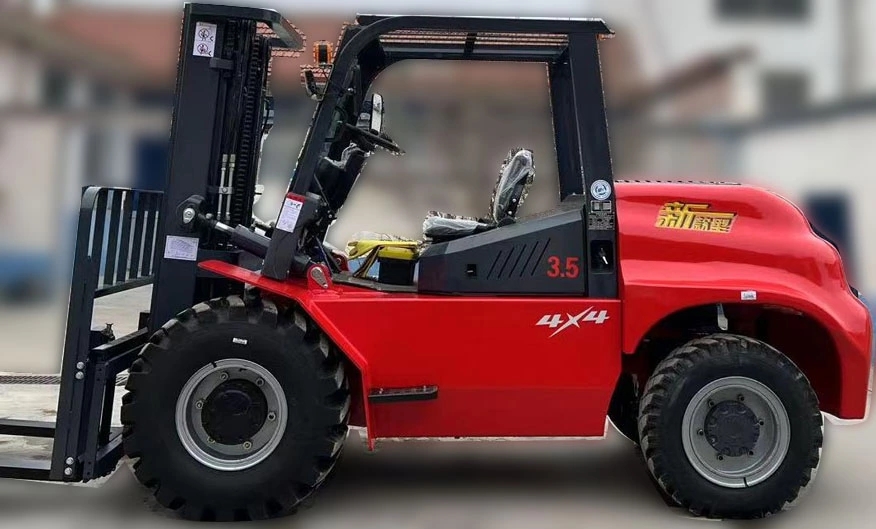
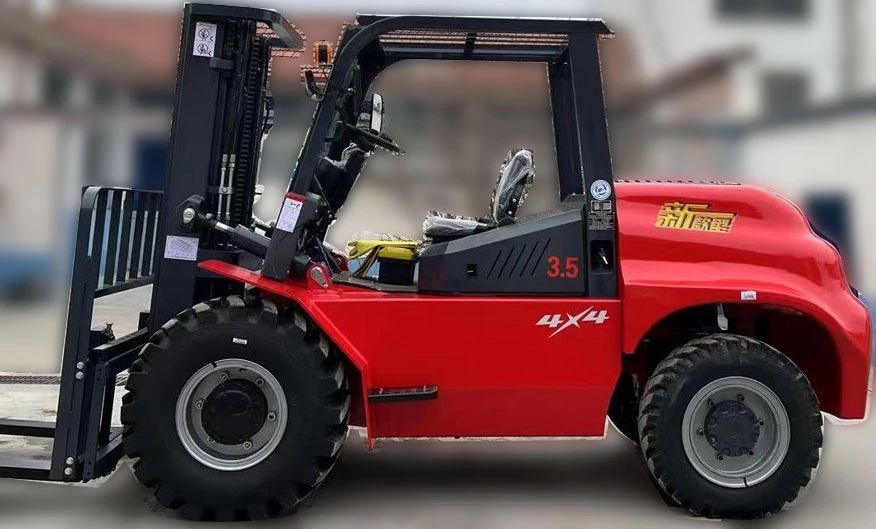
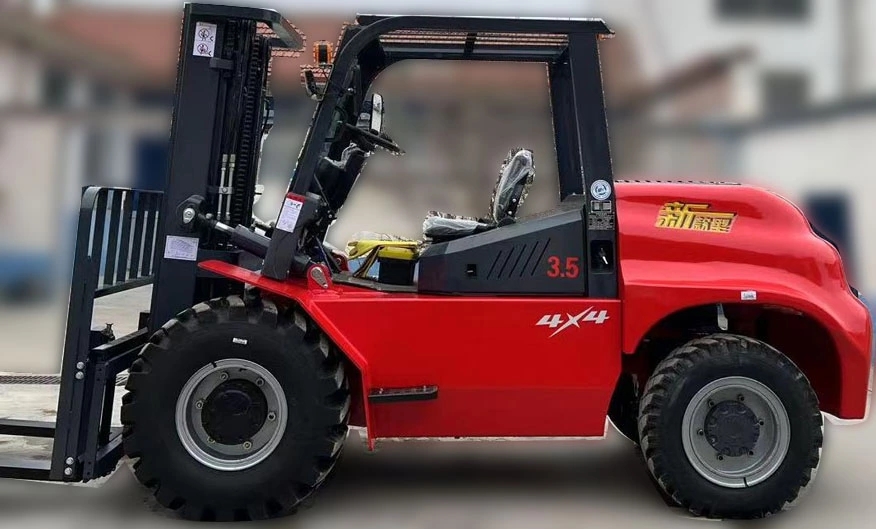
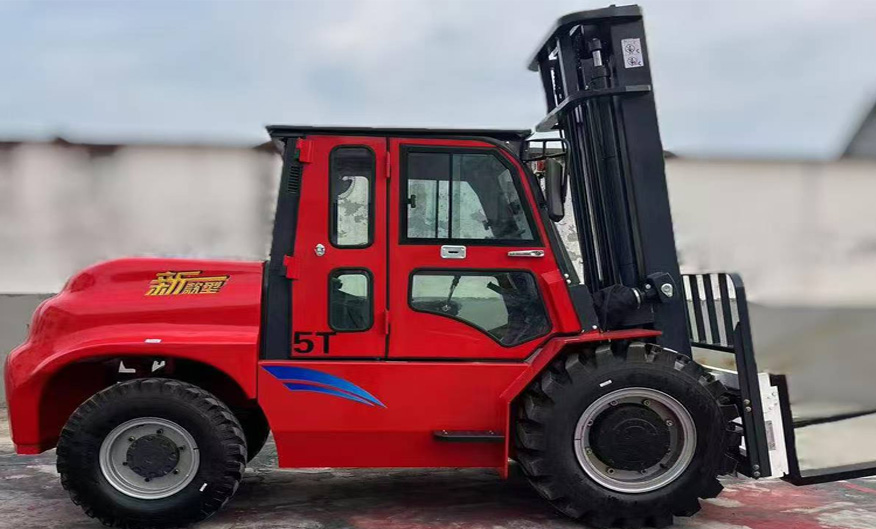
Terrain adaptability sets all-terrain forklifts apart from standard models. These machines feature large, rugged tires with deep treads, providing superior traction on mud, gravel, and sand. Some advanced models include articulated steering systems, allowing for tighter turns in confined spaces. Ground clearance, often exceeding 12 inches, ensures minimal disruption when navigating rough landscapes.
Safety features are integral to all-terrain forklift specifications. Rollover protection structures (ROPS) and falling object protective structures (FOPS) are standard in most models. Additionally, hydraulic braking systems with anti-lock technology enhance control on slippery surfaces. Operators should also look for ergonomic designs, such as adjustable seats and intuitive control panels, to reduce fatigue during extended shifts.
Finally, maintenance and serviceability play a significant role in selecting an all-terrain forklift. Models with easily accessible engine compartments and standardized parts reduce downtime. Telematics systems, which monitor performance metrics like fuel consumption and engine temperature, enable proactive maintenance. Investing in a forklift with these specifications ensures long-term reliability and cost-effectiveness in challenging environments.