Navigating the Rugged Terrain: A Deep Dive into All-Terrain Forklift Specifications
2025-08-10 04:45:30
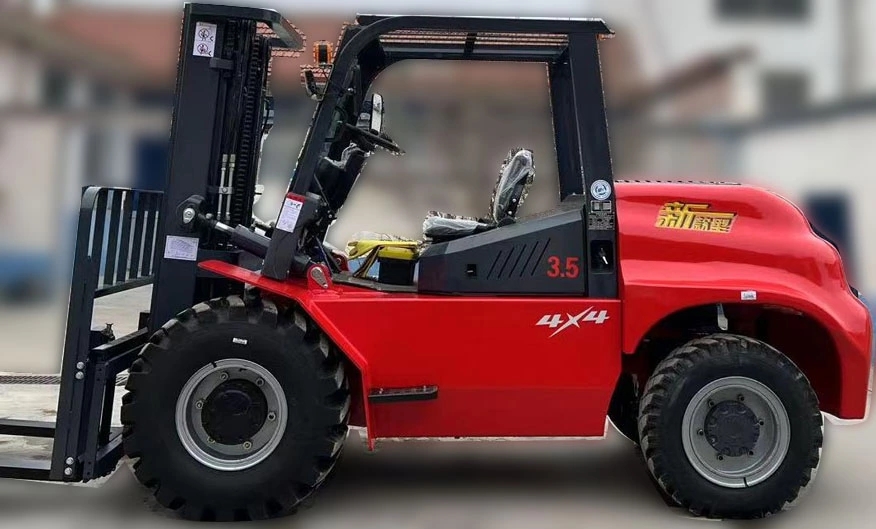
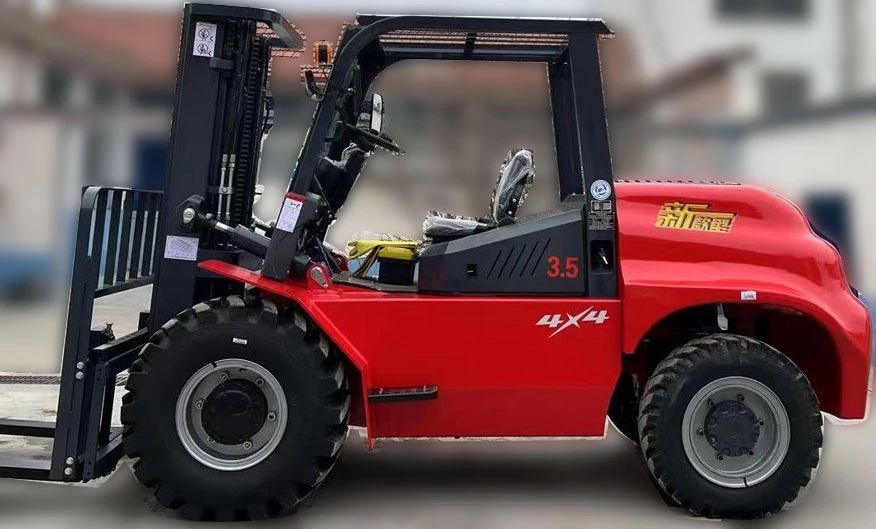
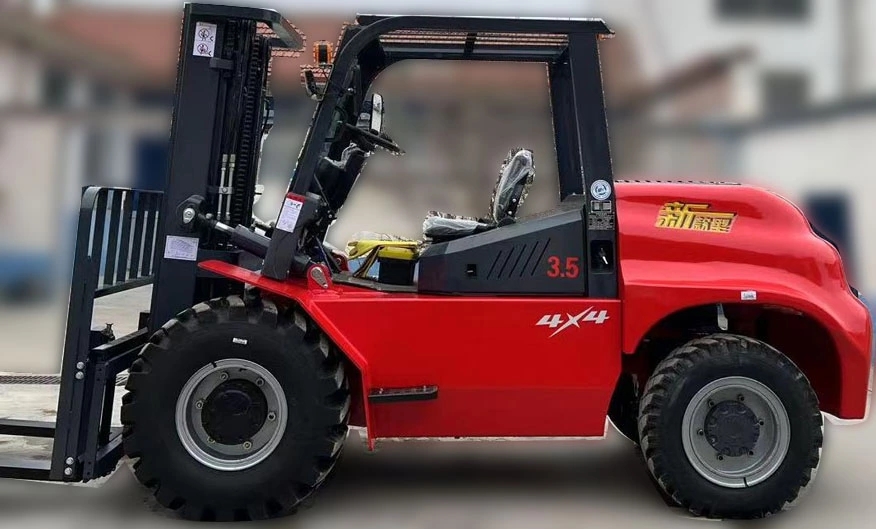
All-terrain forklifts are engineered to operate efficiently across uneven, muddy, or rocky surfaces, making them indispensable in construction, agriculture, and logistics. Key specifications include load capacity, which typically ranges from 3,000 to 10,000 kg, depending on the model. These machines are equipped with robust tires—often pneumatic or solid rubber—to enhance traction and stability. Additionally, their ground clearance, usually between 250 mm and 400 mm, ensures minimal obstruction when navigating rough terrain.
The powertrain of an all-terrain forklift is another critical specification, with most models featuring diesel or electric engines. Diesel variants offer higher torque and endurance, making them ideal for heavy-duty applications, while electric models provide quieter operation and zero emissions. Engine power typically ranges from 50 to 120 HP, ensuring sufficient performance for steep inclines and heavy loads. Hydraulic systems in these forklifts are designed for precision, with lifting speeds averaging 0.5 m/s and lowering speeds of 0.6 m/s, ensuring safe and efficient material handling.
Maneuverability is a defining feature of all-terrain forklifts, with specifications like turning radius and steering mechanisms playing a pivotal role. A standard all-terrain forklift has a turning radius of 3.5 to 5 meters, allowing it to operate in confined spaces. Some advanced models incorporate four-wheel steering or crab steering for enhanced agility. Furthermore, the mast height, often adjustable up to 6 meters, ensures versatility in stacking and retrieving materials at varying elevations.
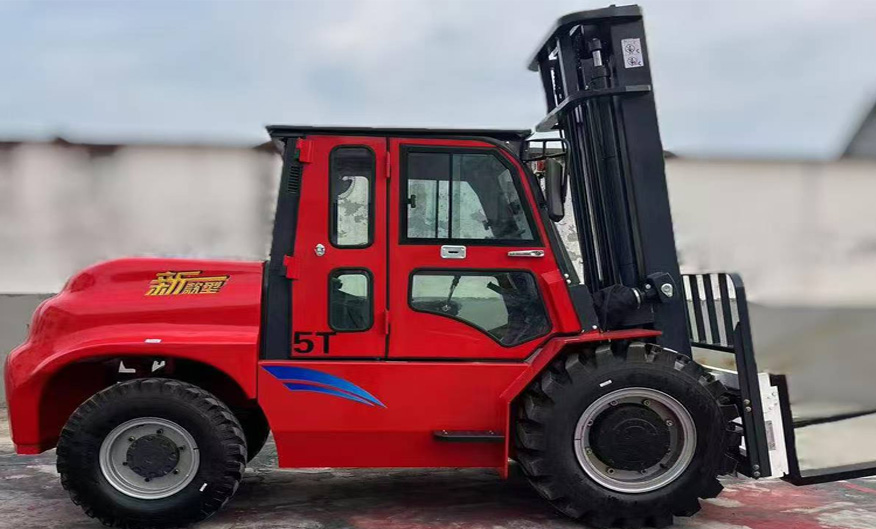
Safety specifications are paramount in all-terrain forklifts, given their operation in unpredictable environments. Features such as anti-roll bars, load-sensing hydraulic systems, and LED lighting for low-visibility conditions are standard. OSHA-compliant operator cabins with reinforced structures and ergonomic controls further enhance safety. Additionally, these forklifts often include advanced telematics for real-time monitoring of performance metrics, such as fuel consumption and maintenance alerts.
Industry data underscores the growing demand for all-terrain forklifts, with the global Market projected to expand at a CAGR of 6.2% through 2030. This growth is driven by increasing infrastructure projects and the need for versatile material handling solutions. Leading manufacturers like Toyota, JCB, and Caterpillar continue to innovate, integrating hybrid powertrains and autonomous capabilities into their all-terrain forklift models. As industries evolve, these machines will remain vital for overcoming logistical challenges in rugged environments.