Navigating the Complexities of All-Terrain Forklift Specifications
2025-08-11 04:20:32
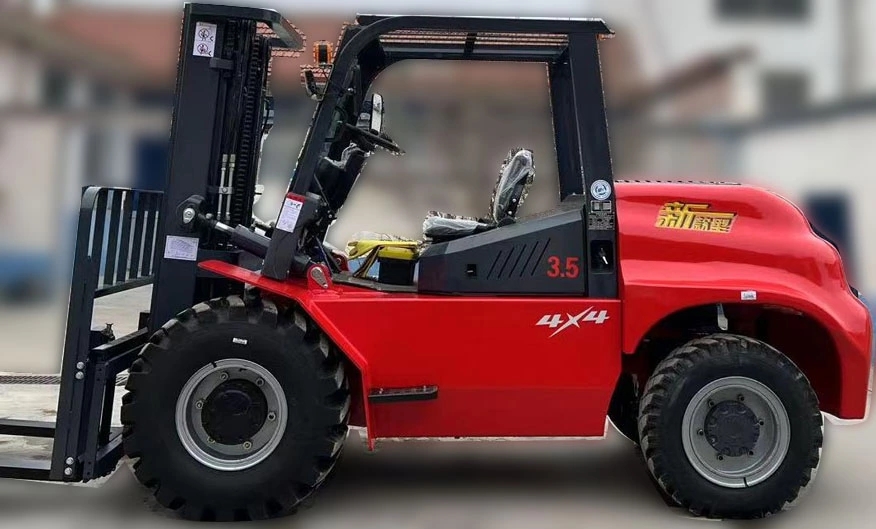
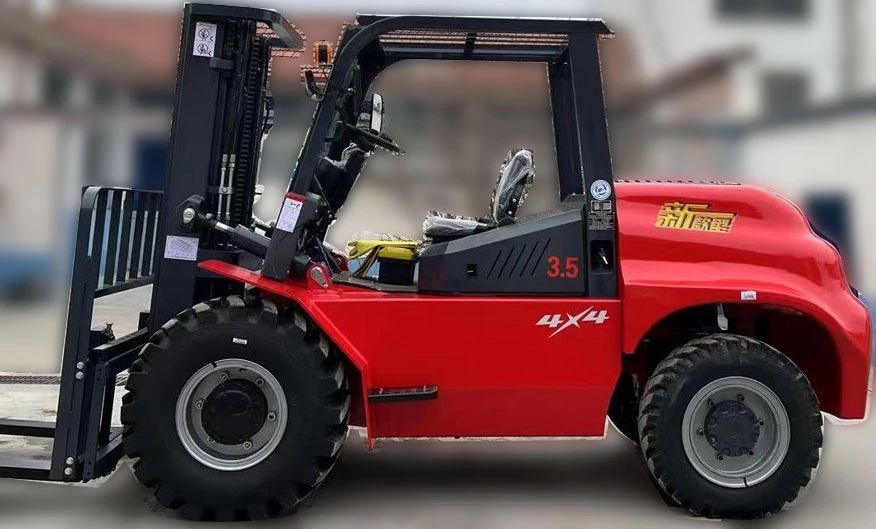
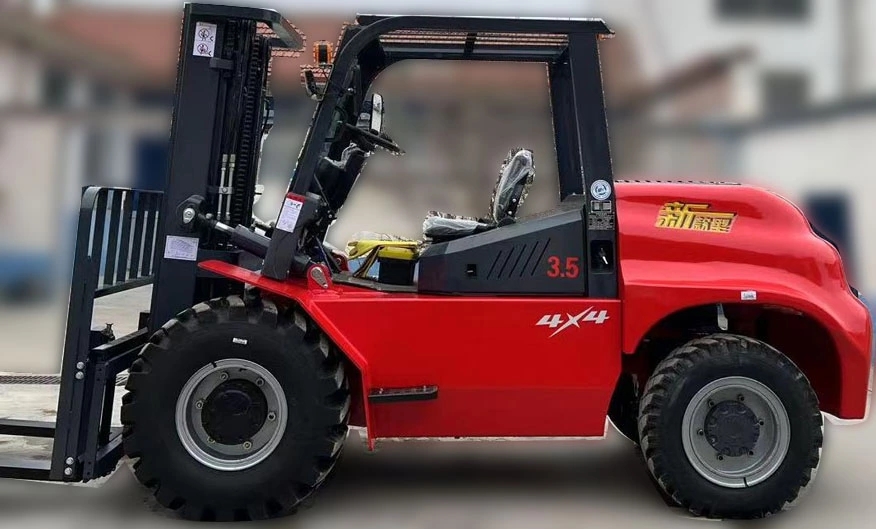
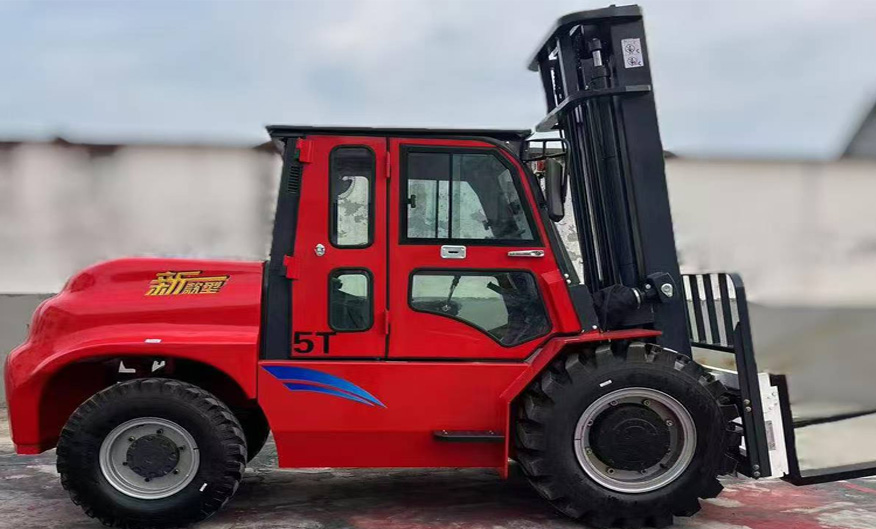
All-terrain forklifts are engineered to handle uneven, rough, and unstable surfaces, making them indispensable in construction, agriculture, and logistics. One of the primary specifications to consider is load capacity, which typically ranges from 5,000 to 36,000 lbs, depending on the model. Higher-capacity units often feature reinforced chassis and heavy-duty tires to distribute weight effectively. Additionally, lift height—varying between 15 to 30 feet—must align with operational demands to ensure efficiency and safety.
Another critical specification is engine power, as all-terrain forklifts require robust performance to navigate challenging terrains. Diesel engines dominate this segment, offering 75 to 150 HP, with some advanced models incorporating hybrid technology for fuel efficiency. Torque output, usually between 200 to 400 lb-ft, directly impacts climbing ability and stability on inclines. Furthermore, transmission systems—whether hydrostatic or powershift—must be selected based on terrain type, with hydrostatic systems providing smoother control on uneven ground.
Tire and suspension specifications are equally vital for all-terrain forklifts. Pneumatic tires, often with deep treads, enhance traction on loose or muddy surfaces, while solid rubber tires are preferred for rocky terrains. Suspension systems, including oscillating axles and independent setups, absorb shocks and improve operator comfort. Ground clearance, typically 10 to 14 inches, ensures the forklift can traverse obstacles without undercarriage damage. These features collectively enhance durability and reduce downtime in harsh conditions.
Operational specifications such as turning radius and travel speed also influence productivity. All-terrain forklifts generally have a turning radius of 10 to 15 feet, allowing maneuverability in confined spaces. Travel speeds range from 10 to 20 mph, with some models featuring adjustable speed settings for different terrains. Additionally, advanced models incorporate telematics for real-time monitoring of performance metrics, enabling proactive maintenance and reducing operational risks.
Finally, compliance with industry standards like OSHA and ISO ensures safety and reliability in all-terrain forklift operations. Specifications such as rollover protection structures (ROPS) and falling object protection (FOPS) are mandatory in many regions. Noise emissions, often capped at 85 dB, and exhaust regulations must also be considered for environmental compliance. By meticulously evaluating these specifications, businesses can select the ideal all-terrain forklift for their specific needs, maximizing ROI and operational efficiency.