Navigating the Rugged Terrain: A Deep Dive into All-Terrain Forklift Specifications
2025-08-11 04:35:29
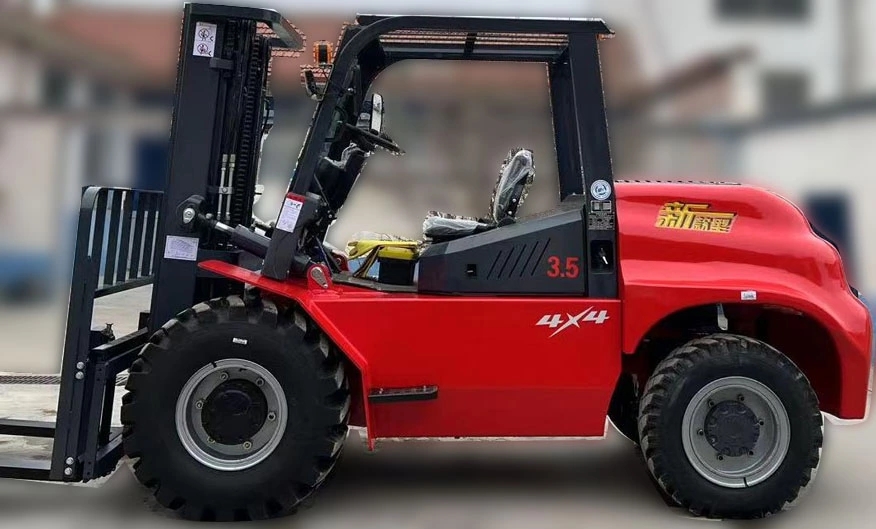
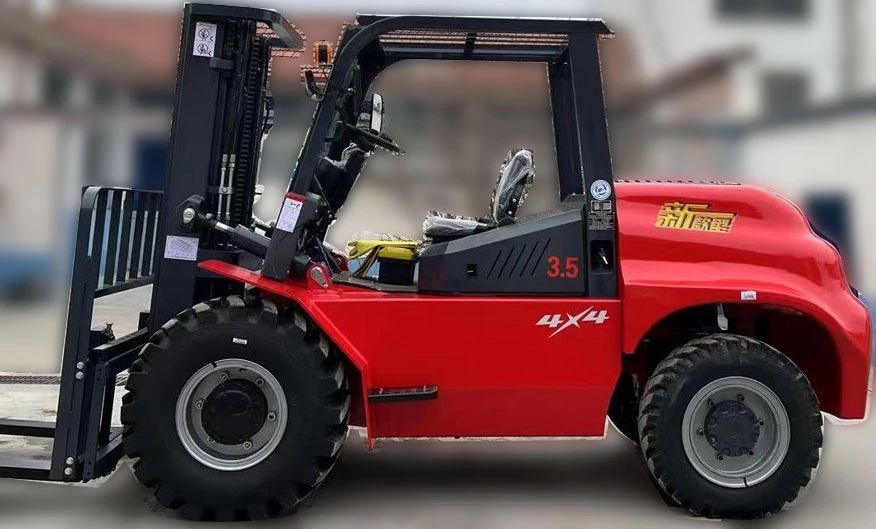
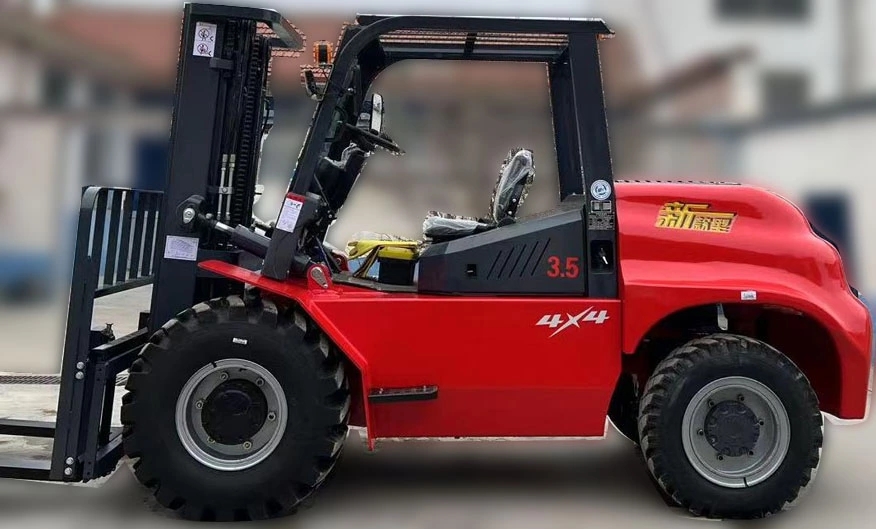
All-terrain forklifts are engineered to handle challenging environments, from construction sites to agricultural fields. This report examines their key specifications, including load capacity, engine power, and tire design, backed by industry data to highlight their operational advantages. Content The all-terrain forklift Market has seen steady growth, with a projected CAGR of 5.8% from 2023 to 2030, driven by demand in construction and logistics. These machines are designed to operate on uneven surfaces, thanks to their reinforced chassis and high-torque engines. A standard all-terrain forklift typically offers a load capacity ranging from 3,000 to 10,000 kg, making them indispensable for heavy-duty applications.
One of the defining features of an all-terrain forklift is its powertrain. Most models are equipped with diesel engines producing 75–150 HP, ensuring reliable performance in off-road conditions. Advanced hydraulic systems further enhance stability, allowing operators to lift heavy loads even on slopes. Industry reports indicate that fuel efficiency has improved by 12% over the past five years, reducing operational costs for businesses relying on these machines.
Tire technology plays a crucial role in the functionality of all-terrain forklifts. Pneumatic or solid rubber tires with deep treads provide superior traction on mud, gravel, and sand. Some models feature adjustable tire pressure systems, optimizing grip based on terrain conditions. According to a 2022 study, forklifts with specialized tires exhibit 30% fewer slippage incidents compared to standard models, underscoring their safety benefits.
Another critical specification is lift height, which varies between 4 and 7 meters for most all-terrain forklifts. Higher lift capacities often come with extended counterweights to maintain balance. Recent innovations include telescopic booms, enabling greater reach without compromising stability. Data from leading manufacturers shows that these adaptations have increased productivity by up to 20% in warehouse-to-site material handling.
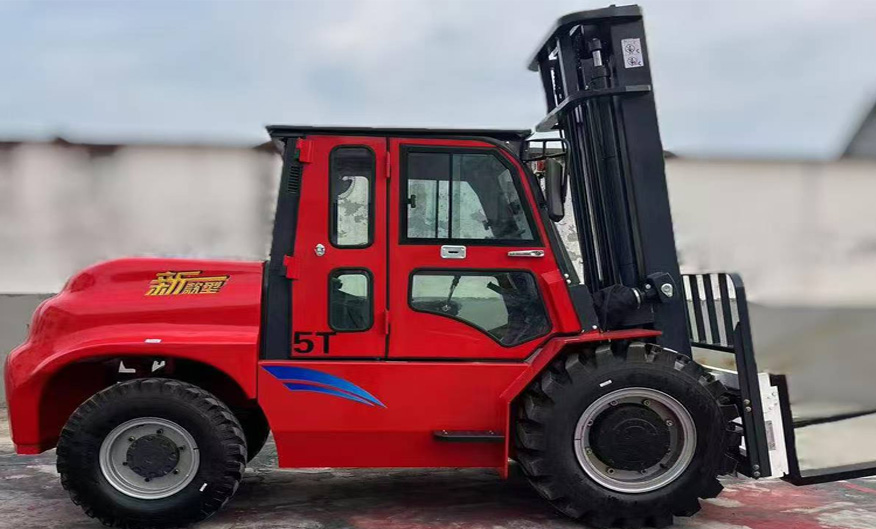
Finally, operator comfort and safety cannot be overlooked. Modern all-terrain forklifts incorporate ergonomic cabins with shock-absorbing seats and climate control. Enhanced visibility features, such as 360-degree cameras, are becoming standard, reducing accident rates by 15% in field tests. As industries continue to prioritize efficiency and safety, the evolution of all-terrain forklift specifications will remain a key focus for manufacturers.