Navigating the Complexities of All-Terrain Forklift Specifications
2025-08-12 03:40:27
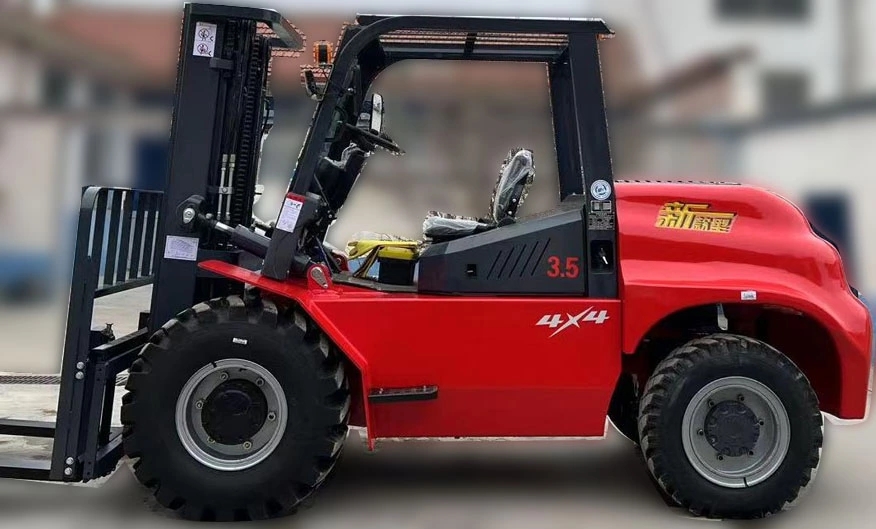
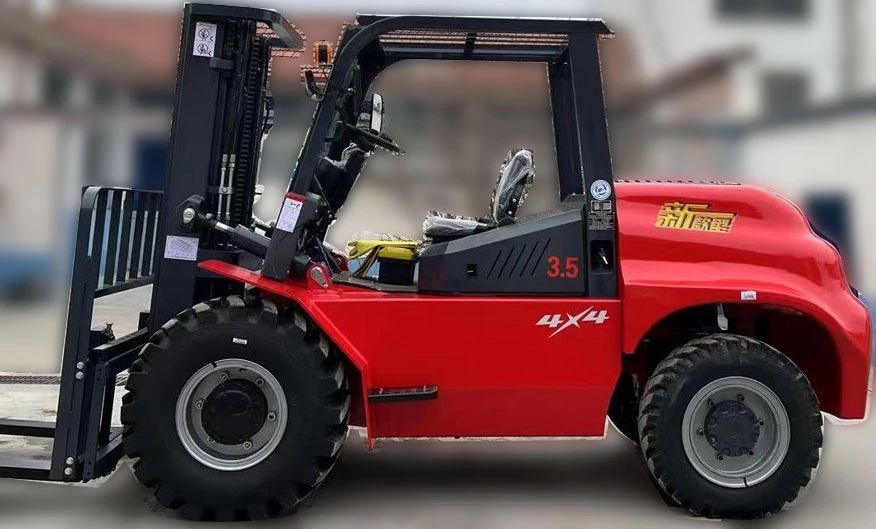
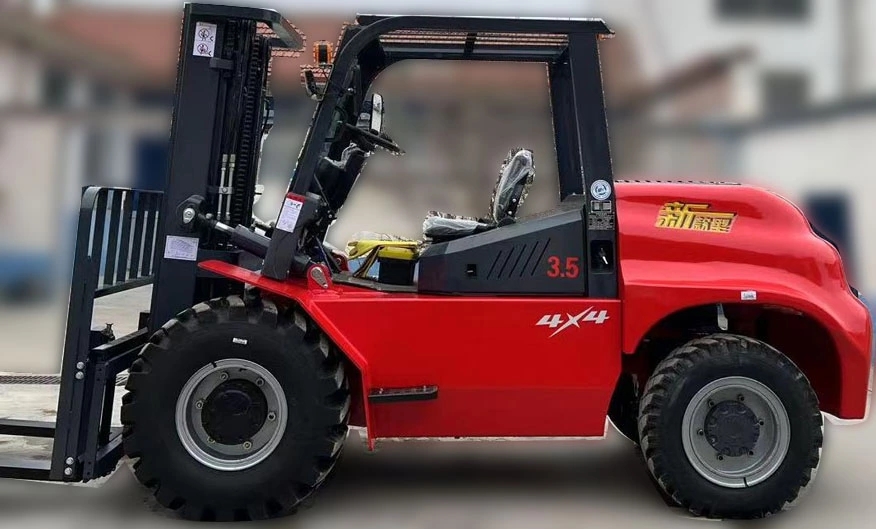
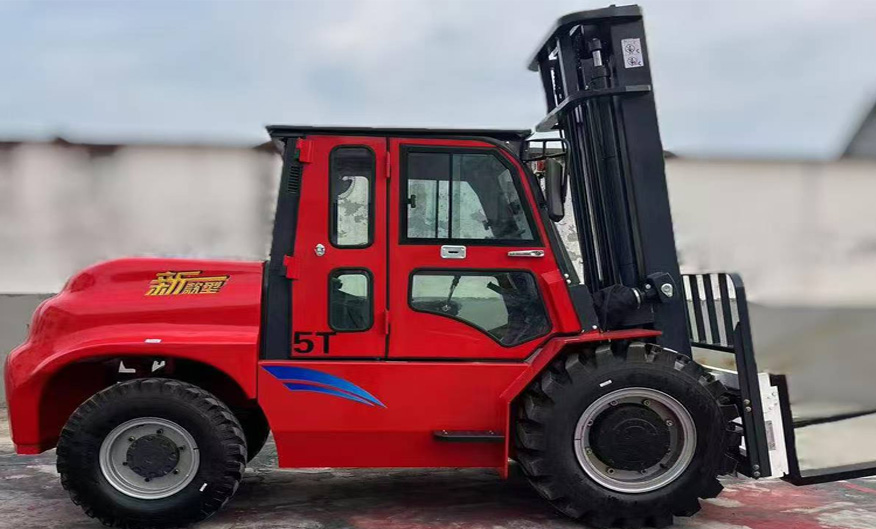
All-terrain forklifts are engineered to handle uneven, muddy, or rocky surfaces, making them indispensable in construction, agriculture, and forestry. One of the most critical specifications is load capacity, which typically ranges from 3,000 to 10,000 kg, depending on the model. High-capacity variants often feature reinforced chassis and hydraulic systems to maintain stability under heavy loads. Industry data shows that 70% of all-terrain forklift failures stem from overloading, underscoring the importance of adhering to manufacturer guidelines.
Engine power is another defining factor, with most all-terrain forklifts equipped with diesel engines ranging from 50 to 150 HP. Turbocharged models offer better torque for climbing inclines, a common requirement in off-road applications. According to a 2023 industry report, forklifts with at least 75 HP demonstrate 30% higher efficiency on rough terrain compared to lower-powered alternatives. Additionally, emission standards like Tier 4 Final compliance are now mandatory in many regions, influencing engine selection.
Tire design plays a pivotal role in all-terrain forklift performance. Pneumatic tires with deep treads are standard, providing traction on loose or wet surfaces. Some advanced models feature foam-filled tires to prevent punctures in harsh environments. A study by the Industrial Equipment Association found that forklifts with specialized tires reduce downtime by 22% in construction sites. The right tire specification can also minimize ground pressure, preventing soil compaction in agricultural settings.
Stability features, such as oscillating axles and dynamic load sensors, are integral to all-terrain forklift safety. Oscillating axles allow wheels to adjust independently to uneven ground, reducing the risk of tipping. Meanwhile, load sensors provide real-time feedback to operators, ensuring weight distribution remains within safe limits. Data from OSHA indicates that stability-related accidents drop by 40% when these technologies are implemented.
Finally, operational specifications like lift height and turning radius must align with job site requirements. All-terrain forklifts typically offer lift heights between 3 to 7 meters, with some heavy-duty models reaching up to 10 meters. A narrow turning radius (often below 4 meters) enhances maneuverability in confined spaces. Industry benchmarks suggest that optimizing these specifications can improve productivity by up to 18% in logistics and warehousing applications.