Navigating the Complexities of All-Terrain Forklift Specifications
2025-08-13 04:10:32
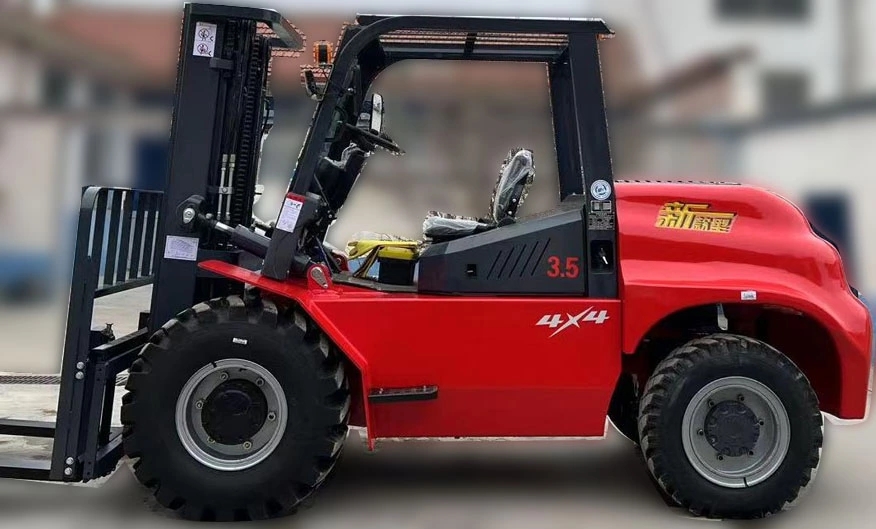
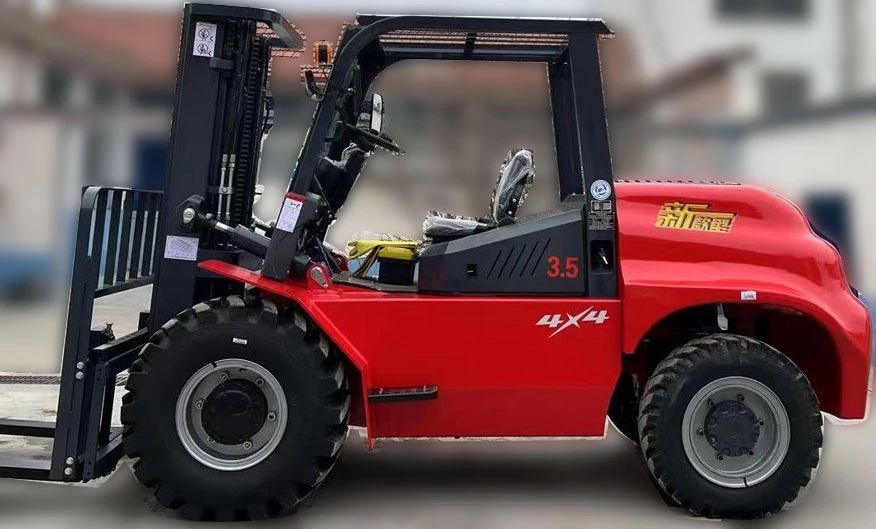
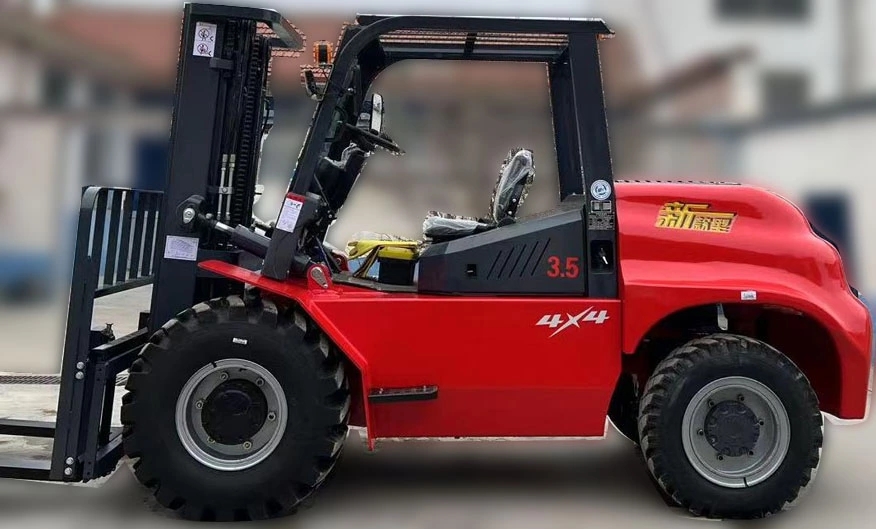
All-terrain forklifts are engineered to handle uneven surfaces, steep inclines, and challenging outdoor conditions. Key specifications include load capacities ranging from 5,000 to 36,000 lbs, ensuring versatility across industries like construction, agriculture, and logistics. The robust chassis design, often reinforced with high-strength steel, enhances durability while maintaining maneuverability. Additionally, all-terrain forklifts feature large, deep-tread tires that provide superior traction on mud, gravel, and sand.
Engine performance is a decisive factor in all-terrain forklift specifications. Most models are powered by diesel engines, delivering 74 to 130 HP, with torque outputs optimized for heavy lifting in off-road conditions. Advanced emission control systems, such as Tier 4 Final compliance, ensure environmental regulations are met without sacrificing power. Some electric and hybrid variants are emerging, offering quieter operation and reduced carbon footprints, though diesel remains dominant due to its reliability in extreme environments.
Terrain adaptability is another critical aspect of all-terrain forklift specifications. Articulated steering systems allow for tight turns in confined spaces, while oscillating axles improve stability on uneven ground. Hydraulic suspension systems further enhance ride comfort and load security. These features make all-terrain forklifts indispensable for industries requiring mobility across construction sites, forestry operations, and mining fields.
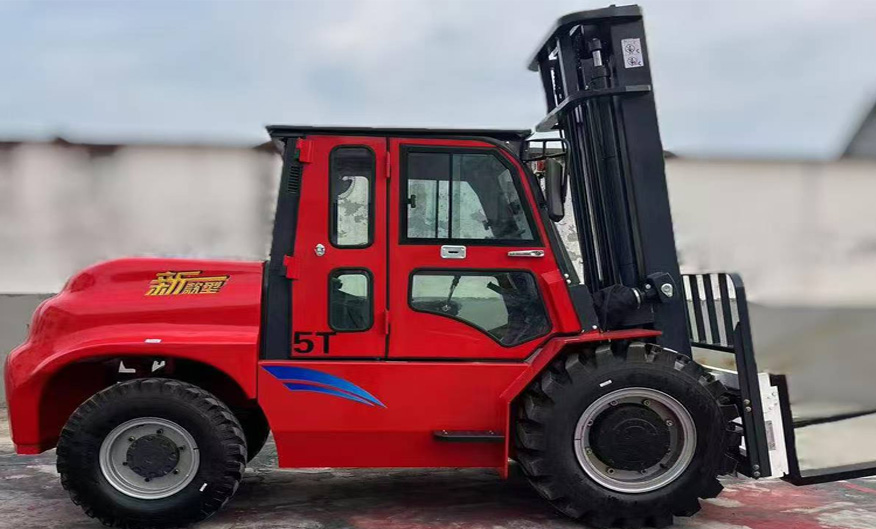
Safety features integrated into all-terrain forklift specifications include rollover protection structures (ROPS), load-sensing hydraulic systems, and advanced braking technologies. Operators benefit from ergonomic cabins with enhanced visibility, reducing fatigue during prolonged use. Telematics systems are increasingly common, enabling real-time monitoring of performance metrics such as fuel consumption, maintenance alerts, and operational efficiency.
When selecting an all-terrain forklift, evaluating specifications like lift height (up to 20 feet) and travel speed (up to 25 mph) ensures alignment with operational demands. Industry data indicates a growing preference for models with modular attachments, such as side shifters and fork positioners, which expand functionality. By prioritizing these specifications, businesses can maximize productivity while minimizing downtime in demanding work environments.