Navigating the Complexities of All-Terrain Forklift Specifications
2025-08-13 04:30:29
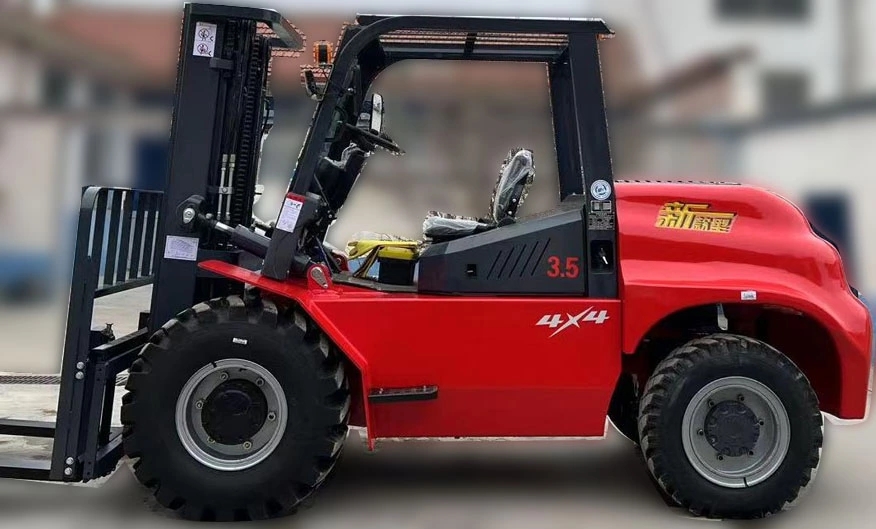
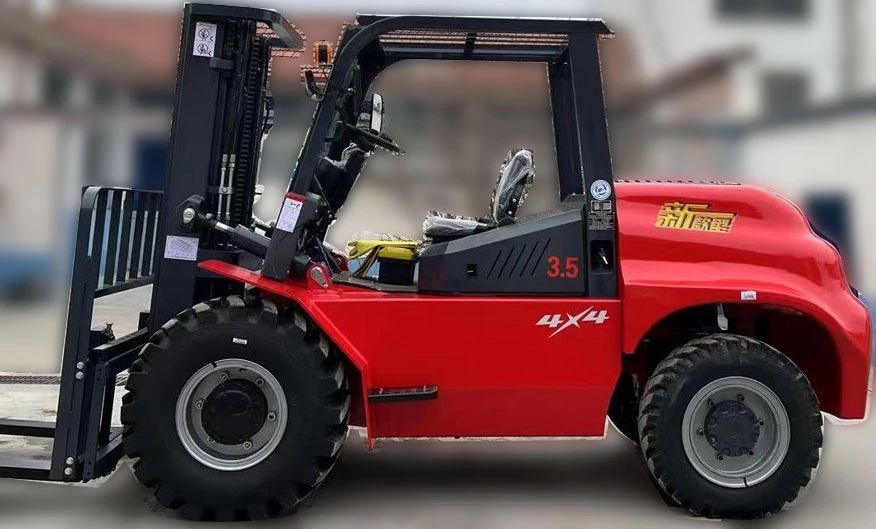
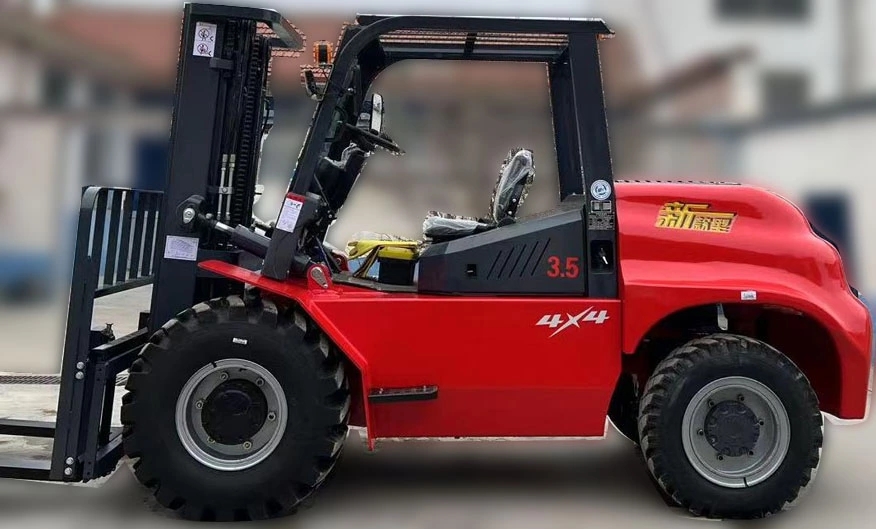
All-terrain forklifts are engineered to operate efficiently on uneven, rough, or soft surfaces, making them indispensable in construction, agriculture, and logistics sectors. One of the primary specifications to consider is load capacity, which typically ranges from 3,000 to 10,000 pounds, depending on the model. Higher-capacity models often feature reinforced chassis and hydraulic systems to ensure safe lifting and transport. Additionally, load centers—usually 24 inches—must align with operational requirements to prevent tipping or instability.
Engine power is another critical factor, with most all-terrain forklifts equipped with diesel or LPG engines ranging from 50 to 100 horsepower. These engines provide the torque necessary for climbing gradients up to 30% while maintaining fuel efficiency. Advanced models may include turbocharged options for enhanced performance in high-altitude or extreme conditions. Emissions compliance, such as Tier 4 Final standards, is also a key consideration for environmentally conscious operations.
Tire design significantly impacts traction and maneuverability. Pneumatic or solid rubber tires with deep treads are standard for all-terrain forklifts, ensuring grip on mud, gravel, or sand. Some models feature adjustable tire pressure systems to optimize performance across varying terrains. The wheelbase and ground clearance—often exceeding 8 inches—further contribute to stability and obstacle clearance, reducing the risk of undercarriage damage.
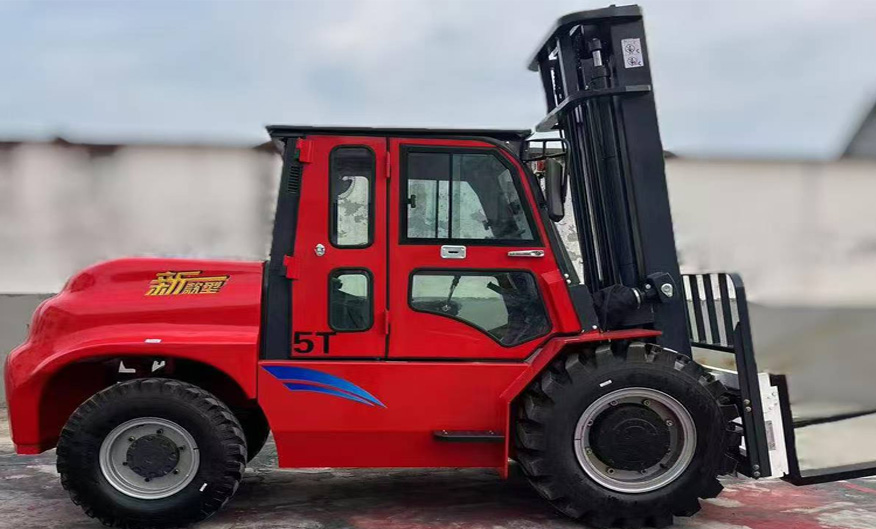
Stability features, such as dynamic load-sensing hydraulics and counterweight distribution, are vital for safe operation. Many all-terrain forklifts incorporate oscillating axles or articulated frames to maintain balance on slopes. Operator cabins may include rollover protection structures (ROPS) and falling object protective structures (FOPS) to meet OSHA or ANSI safety standards. These specifications ensure compliance while minimizing workplace hazards.
Finally, technological advancements like telematics and automated load management systems are becoming standard in modern all-terrain forklifts. Real-time monitoring of engine performance, fuel consumption, and maintenance alerts enhances operational efficiency. By prioritizing these specifications, businesses can select the ideal all-terrain forklift for their unique needs, ensuring productivity and safety in demanding environments.