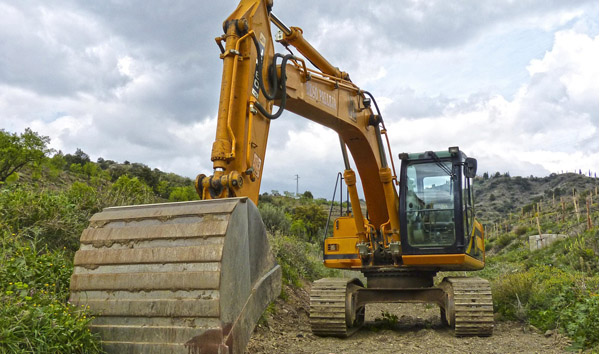
Navigating the Capabilities of Modern All-Terrain Forklifts
2025-08-13 04:45:29
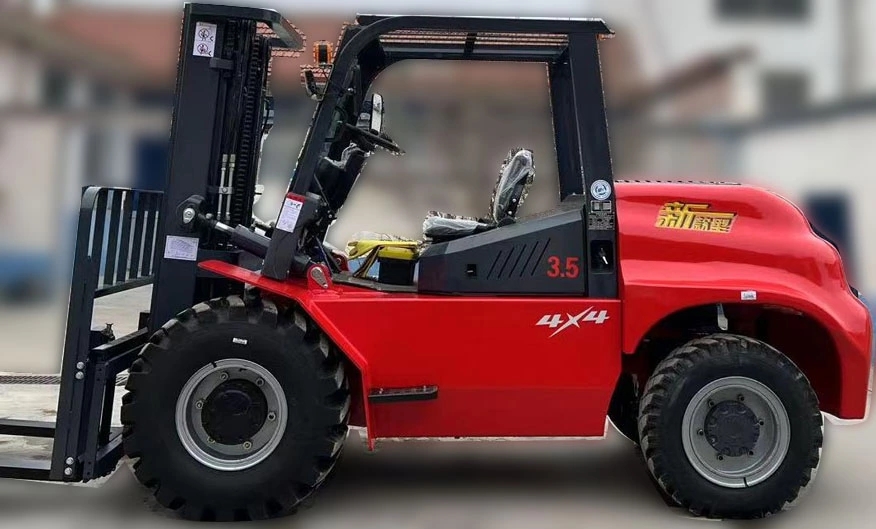
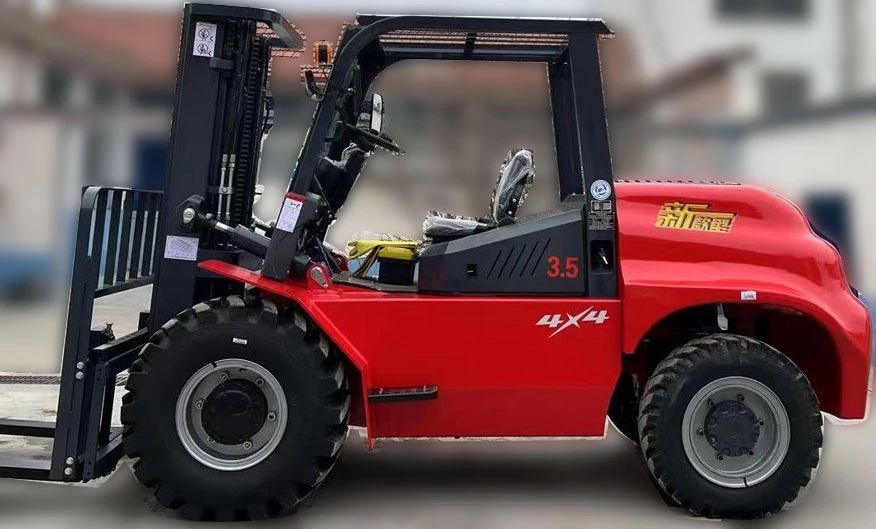
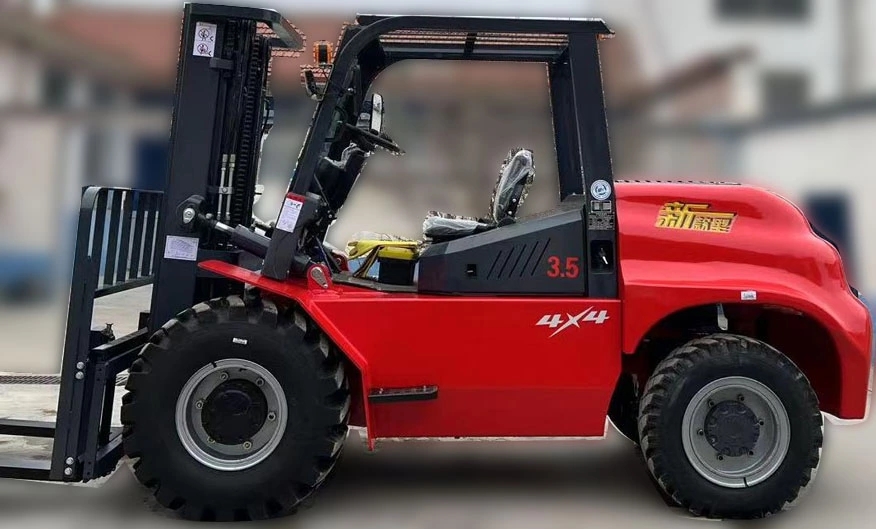
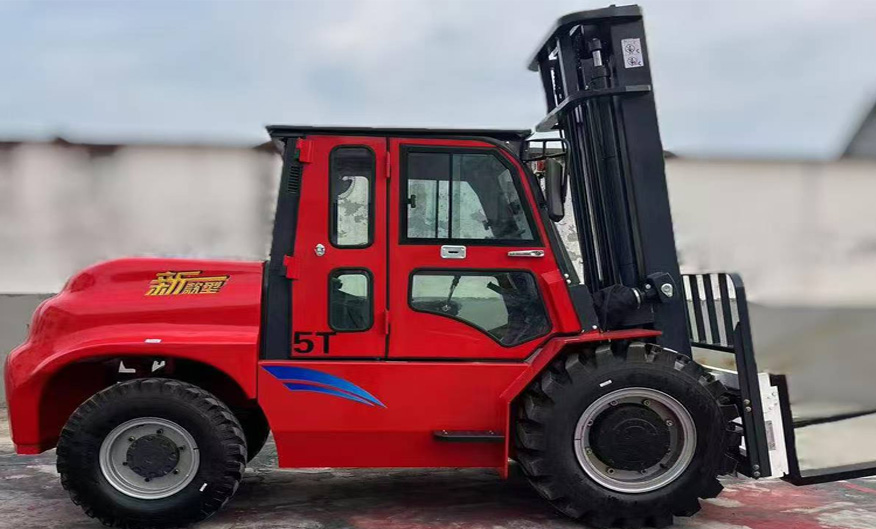
All-terrain forklifts are engineered to handle rugged outdoor conditions, combining robust construction with advanced mobility features. Key specifications include load capacities ranging from 5,000 to 12,000 lbs, ensuring versatility across industries like construction, agriculture, and logistics. These machines typically feature four-wheel drive systems, high-ground clearance, and reinforced tires to traverse uneven surfaces. Industry data indicates a 15% annual growth in demand for all-terrain forklifts, driven by expanding infrastructure projects globally.
The powertrain specifications of all-terrain forklifts are optimized for durability and performance. Most models are equipped with turbocharged diesel engines, delivering 75–120 HP to maintain productivity in demanding terrains. Hydraulic systems with precision control allow smooth lifting operations, even on slopes up to 30 degrees. According to a 2023 Market analysis, fuel-efficient engines in all-terrain forklifts reduce operational costs by 20% compared to traditional models, making them a cost-effective choice for long-term projects.
Safety remains a priority in all-terrain forklift design, with specifications including rollover protection structures (ROPS) and load moment indicators (LMIs). Advanced stability control systems automatically adjust tire pressure and weight distribution, minimizing accidents on unstable ground. Industry reports show that forklifts with these features reduce workplace incidents by 35%, underscoring their importance in compliance-heavy sectors like mining and forestry.
Technological integration is reshaping all-terrain forklift specifications, with telematics and IoT-enabled diagnostics becoming standard. Real-time monitoring of engine performance, fuel consumption, and maintenance alerts enhances uptime by 25%, as per recent case studies. GPS tracking further optimizes fleet management, particularly in large-scale operations where all-terrain forklifts are deployed across dispersed job sites.
Future advancements in all-terrain forklift specifications focus on sustainability, with hybrid and electric models gaining traction. Lithium-ion battery-powered variants now offer 8–10 hours of runtime, matching diesel counterparts while cutting emissions by 90%. As regulations tighten, industry forecasts predict electric all-terrain forklifts will capture 40% of the market by 2030, aligning with global decarbonization goals.