Navigating the Complexities of All-Terrain Forklift Specifications
2025-08-15 04:25:30
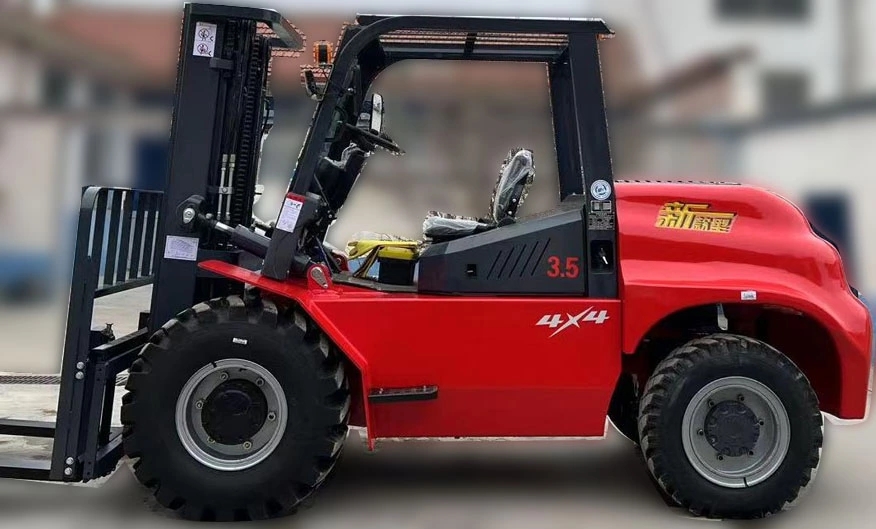
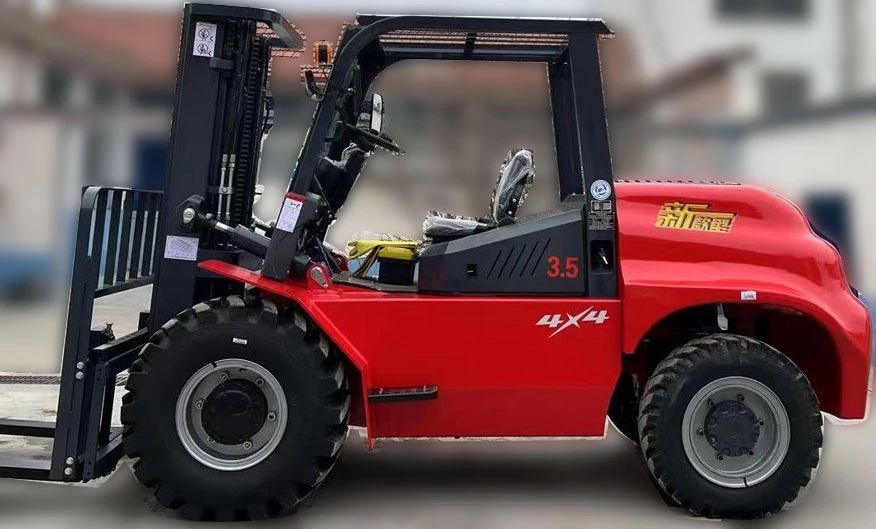
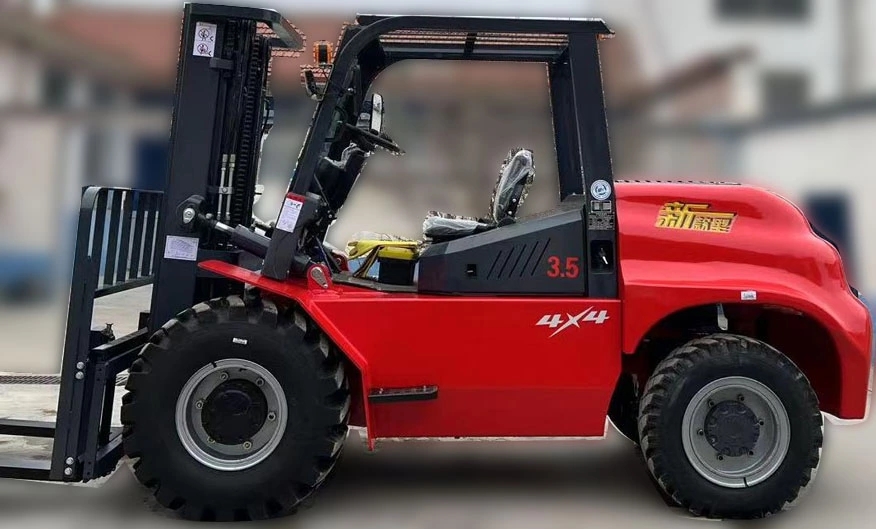
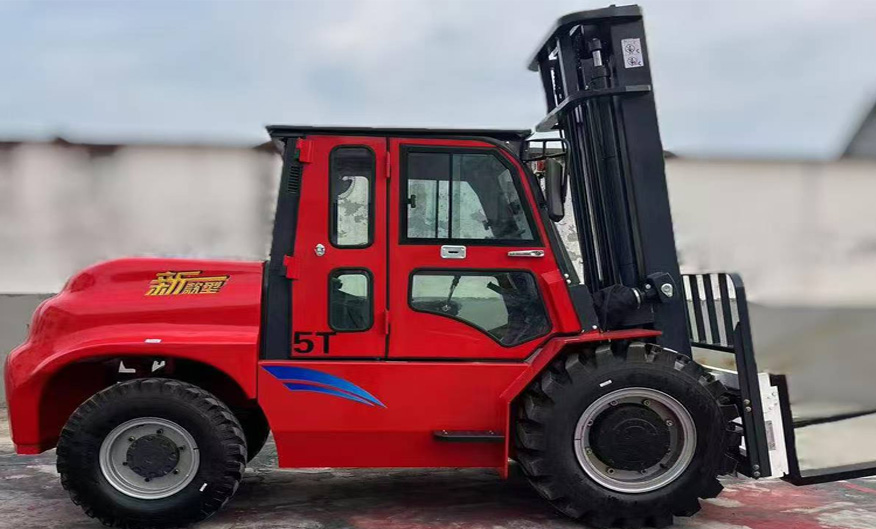
All-terrain forklifts are engineered to handle uneven surfaces, steep inclines, and outdoor job sites where standard forklifts falter. One of the most critical specifications is load capacity, which typically ranges from 5,000 to 15,000 pounds, depending on the model. Higher-capacity units often feature reinforced chassis and hydraulic systems to maintain stability under heavy loads. Additionally, all-terrain forklifts must account for dynamic weight distribution, especially when operating on slopes or loose terrain.
Engine power is another decisive factor, with most all-terrain forklifts equipped with diesel or LPG engines ranging from 50 to 150 horsepower. These engines provide the torque necessary for climbing gradients and traversing muddy or sandy surfaces. Some advanced models incorporate hybrid or electric powertrains, balancing fuel efficiency with performance. The engine’s cooling system must also be robust to prevent overheating during prolonged use in harsh conditions.
Tire design plays a pivotal role in an all-terrain forklift’s traction and maneuverability. Pneumatic or solid rubber tires with deep treads are standard, ensuring grip on gravel, dirt, and wet surfaces. Some models feature adjustable tire pressure systems, allowing operators to optimize traction based on terrain conditions. Tire width and diameter also influence stability, with wider tires reducing ground pressure and minimizing sinkage in soft soils.
Stability features, such as oscillating axles and dynamic load sensors, are essential for preventing tip-overs on uneven ground. Many all-terrain forklifts include tilt sensors and automatic braking systems that adjust in real time to shifting loads. The mast design must also accommodate rough terrain, with some models offering telescopic or articulating masts for enhanced reach without compromising balance.
Finally, operational specifications like turning radius, lift height, and travel speed must align with job site requirements. A tighter turning radius improves maneuverability in confined spaces, while higher lift speeds boost productivity. Buyers should also consider maintenance intervals, as all-terrain forklifts operating in extreme conditions may require more frequent servicing. By evaluating these specifications holistically, businesses can select the ideal all-terrain forklift for their needs.