Navigating the Rugged: A Deep Dive into All-Terrain Forklift Specifications
2025-08-15 04:30:31
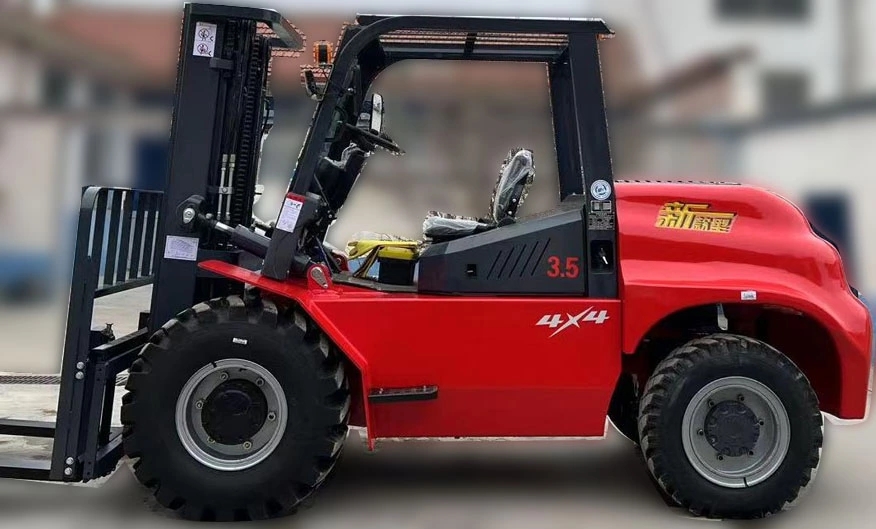
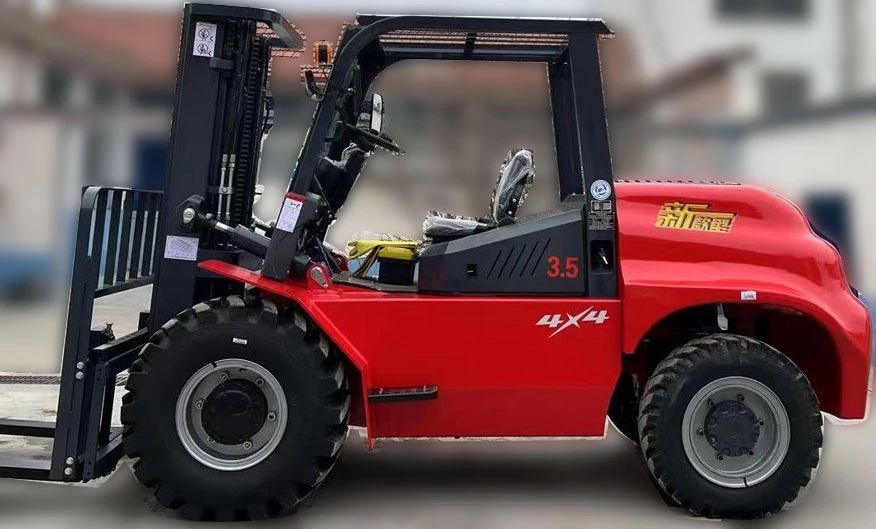
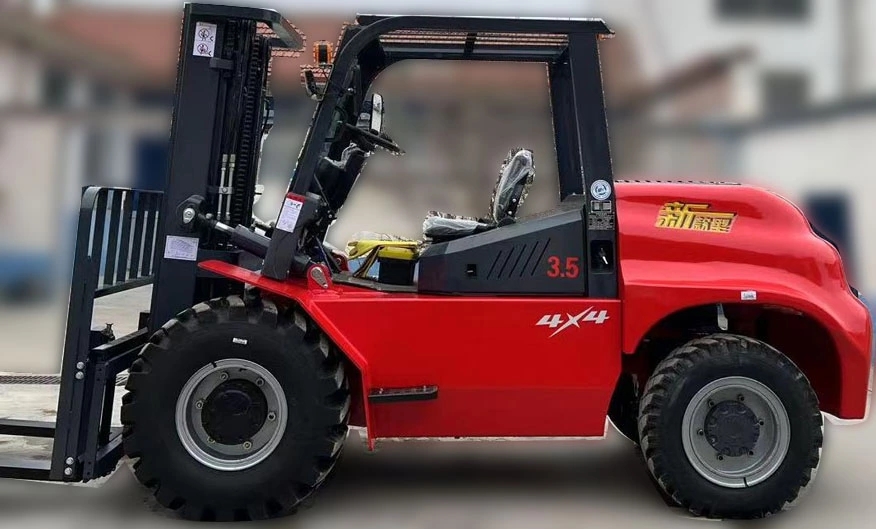
All-terrain forklifts are engineered to handle rough, uneven surfaces with ease, making them indispensable in construction, agriculture, and logistics. Key specifications include load capacity, which typically ranges from 3,000 to 10,000 kg, depending on the model. These machines are equipped with robust tires—often pneumatic or solid—to ensure stability on loose gravel, mud, or sand. Additionally, their ground clearance is significantly higher than standard forklifts, averaging 300–400 mm, to avoid obstacles and maintain maneuverability.
The powertrain of an all-terrain forklift is another defining feature, with most models utilizing diesel engines for superior torque and endurance. Engine output varies between 50–120 HP, ensuring sufficient power for heavy lifting in adverse conditions. Hydraulic systems are optimized for precision control, with lift heights reaching up to 6 meters. Some advanced models incorporate hybrid or electric powertrains to meet emission regulations without compromising performance. These specifications make all-terrain forklifts versatile for outdoor operations where conventional forklifts would falter.
Traction and stability are paramount in all-terrain forklift design. Many units feature four-wheel drive (4WD) and differential locks to prevent wheel slippage on inclines or slippery surfaces. The turning radius, usually between 3–5 meters, is carefully balanced to maintain agility without sacrificing load stability. Furthermore, reinforced chassis and suspension systems absorb shocks, ensuring operator comfort and reducing wear on critical components. These specifications collectively enhance safety and productivity in unpredictable terrains.
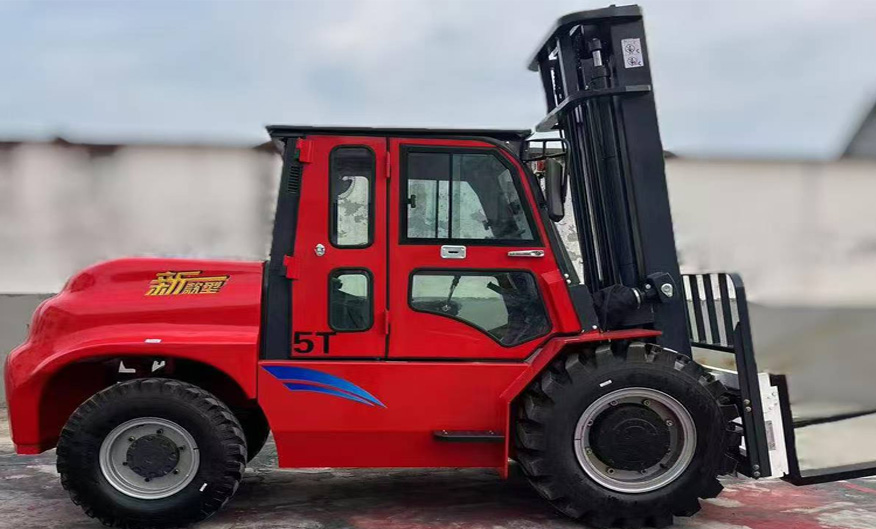
Operator ergonomics and technology integration are increasingly prioritized in modern all-terrain forklifts. Features such as adjustable seats, climate-controlled cabins, and intuitive control panels improve efficiency during long shifts. Telematics systems enable real-time monitoring of fuel consumption, maintenance alerts, and load tracking. Some models even incorporate AI-assisted navigation to optimize pathfinding in complex environments. These advancements align with industry trends toward automation and data-driven fleet management.
In conclusion, all-terrain forklift specifications are meticulously designed to meet the demands of harsh working conditions. From load capacity and engine power to advanced stability controls and smart technology, these machines are built for resilience. As industries continue to expand into undeveloped or uneven landscapes, the role of all-terrain forklifts will only grow, driven by innovations that enhance both performance and sustainability.