Navigating the Robust Capabilities of All-Terrain Forklifts
2025-08-16 04:50:28
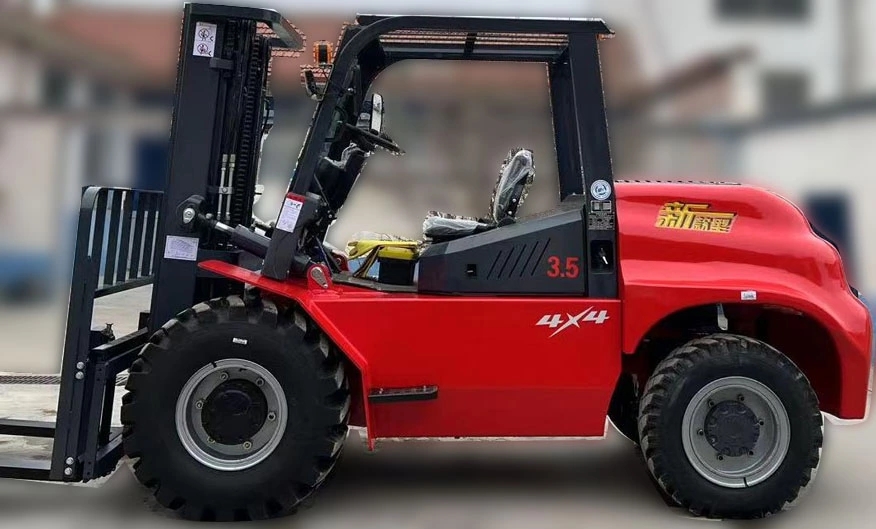
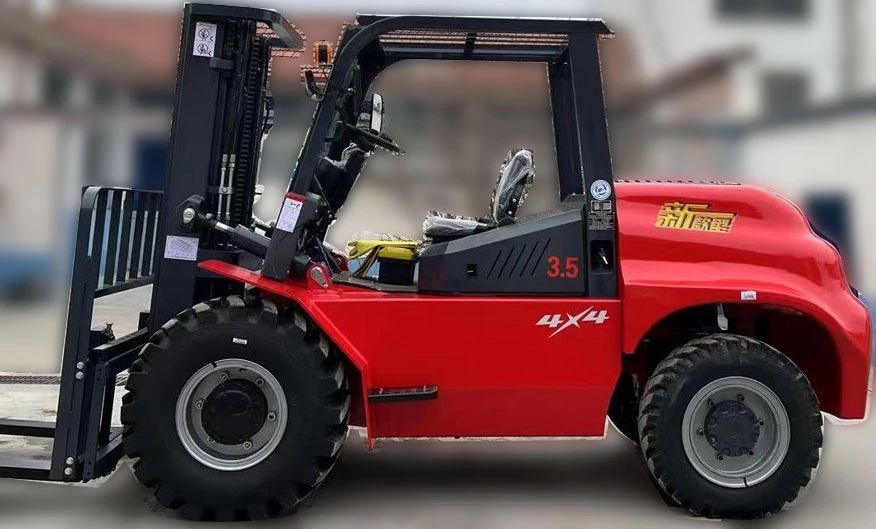
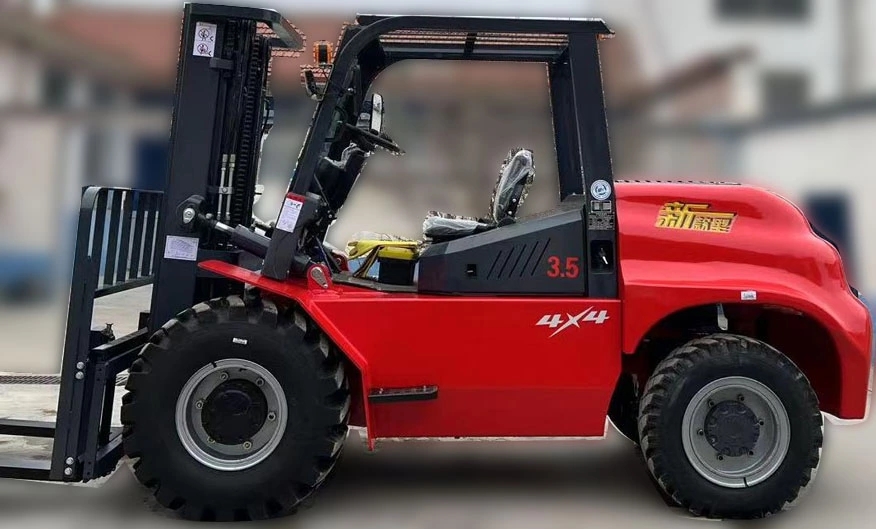
All-terrain forklifts are engineered to handle rugged outdoor conditions, offering superior stability and load-bearing capacity compared to conventional models. Key specifications include a reinforced chassis, high-traction tires, and advanced suspension systems, ensuring seamless operation on uneven surfaces. These forklifts typically feature load capacities ranging from 5,000 to 15,000 lbs, with lift heights extending up to 20 feet, making them indispensable in construction, agriculture, and logistics sectors.
The powertrain specifications of all-terrain forklifts are tailored for durability and performance. Most models are equipped with turbocharged diesel engines, delivering 75–150 HP, coupled with hydrostatic or mechanical transmissions for precise control. Fuel efficiency is optimized through advanced engine management systems, reducing operational costs. Additionally, some all-terrain forklifts incorporate hybrid or electric powertrains, aligning with sustainability goals while maintaining torque output for heavy-duty tasks.
Maneuverability is a defining feature of all-terrain forklifts, with specifications emphasizing tight turning radii (as low as 10 feet) and responsive steering mechanisms. Articulated or four-wheel steering options enhance navigation in confined spaces, while differential locks ensure traction on slippery or loose terrain. Industry data indicates that these features reduce downtime by 30% in outdoor settings, where traditional forklifts would struggle.
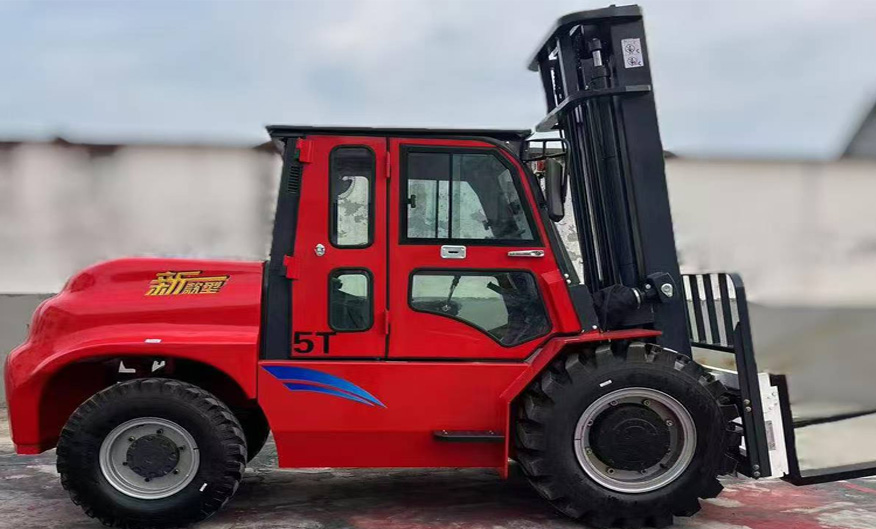
Safety specifications for all-terrain forklifts include rollover protection systems (ROPS), load moment indicators, and anti-slip platforms. Operators benefit from ergonomic cabins with 360-degree visibility, reducing accident risks. Compliance with OSHA and ISO standards is mandatory, with manufacturers integrating telematics for real-time monitoring of load stability and equipment health. These advancements have contributed to a 25% decline in workplace incidents involving all-terrain forklifts over the past five years.
The versatility of all-terrain forklifts is evident in their attachment compatibility, supporting forks, clamps, and booms for diverse material handling needs. Industry reports highlight a growing demand for customizable specifications, such as adjustable wheelbases and variable lift speeds, to adapt to sector-specific requirements. With global sales projected to grow at 6.8% CAGR through 2028, all-terrain forklifts are redefining efficiency in off-road material handling.