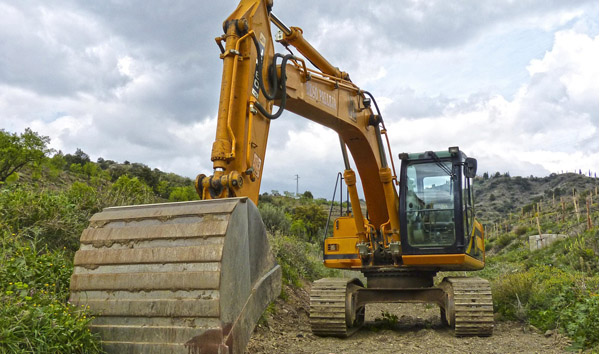
Navigating the Capabilities of Modern All-Terrain Forklifts
2025-08-17 04:15:32
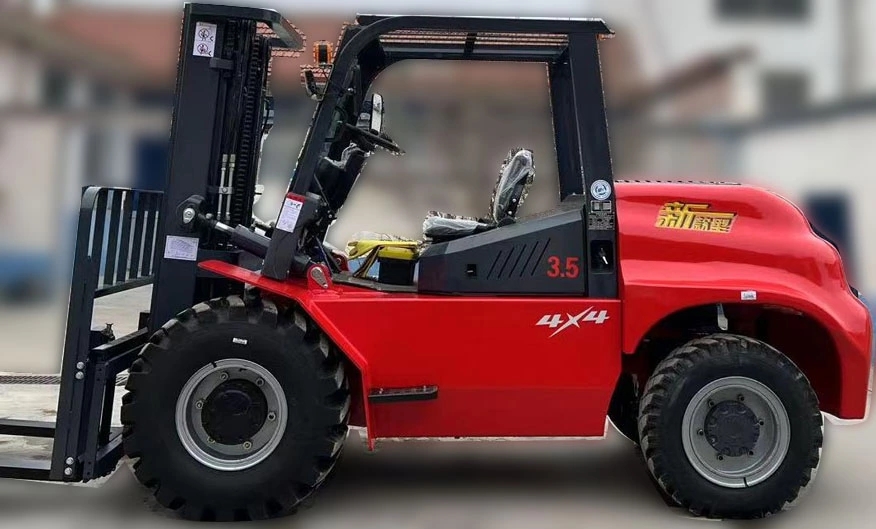
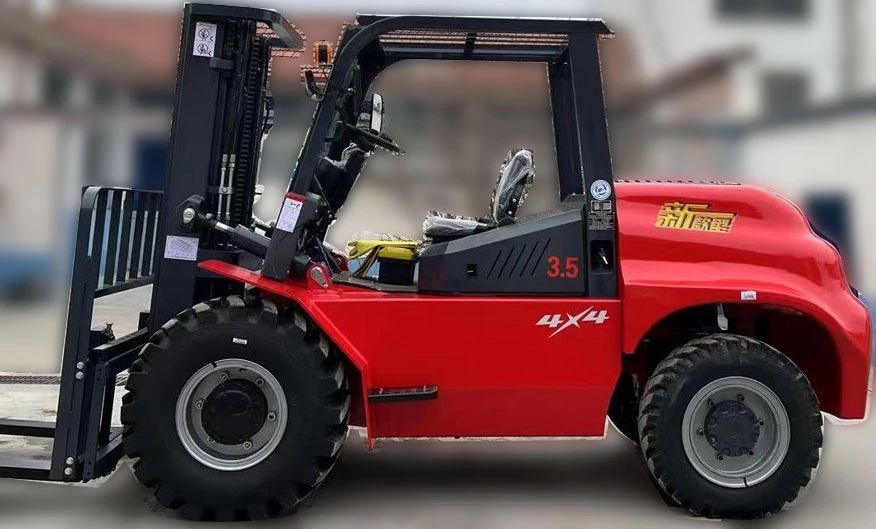
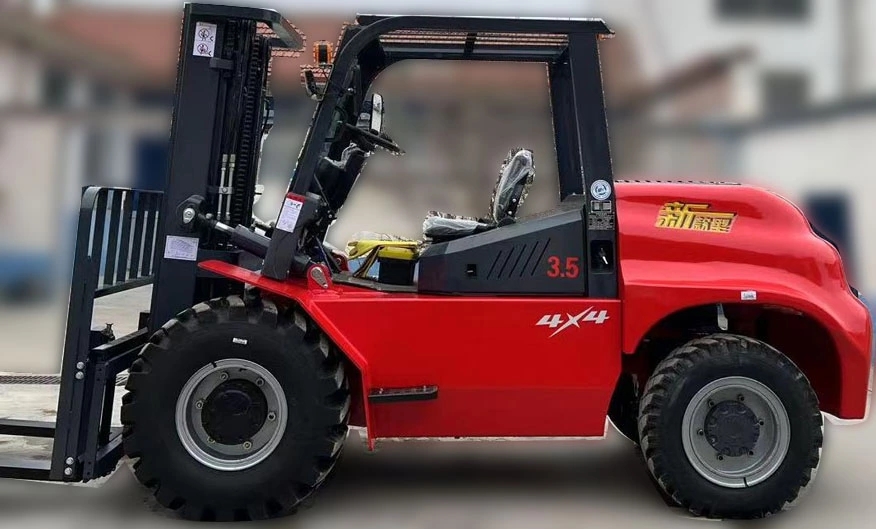
All-terrain forklifts are engineered to handle rugged environments, combining robust construction with advanced mobility features. Key specifications include load capacities ranging from 5,000 to 12,000 lbs, depending on the model, and lift heights extending up to 20 feet. These machines are equipped with heavy-duty tires, often pneumatic or solid, to ensure stability on uneven surfaces. The inclusion of four-wheel drive (4WD) systems enhances traction, making them indispensable in construction, agriculture, and forestry sectors where conventional forklifts falter.
Powering these forklifts are high-torque diesel or electric engines, delivering between 50 to 100 horsepower to navigate steep inclines and soft terrain. Industry data indicates that modern all-terrain forklifts achieve fuel efficiencies of up to 15% better than older models, thanks to optimized engine management systems. Additionally, their hydraulic systems are designed for precision, offering lift speeds of 0.3 to 0.5 meters per second while maintaining load stability. These specifications make all-terrain forklifts ideal for demanding tasks such as lumber handling or palletized material transport in off-road conditions.
Maneuverability is another critical aspect of all-terrain forklift specifications. With turning radii as tight as 10 feet, these machines excel in confined job sites. Advanced suspension systems absorb shocks from rough terrain, reducing operator fatigue and improving safety. Data from leading manufacturers like JCB and Toyota reveal that all-terrain forklifts with oscillating axles can maintain 85% of their rated capacity even on slopes up to 15 degrees, a feature unmatched by standard forklifts.
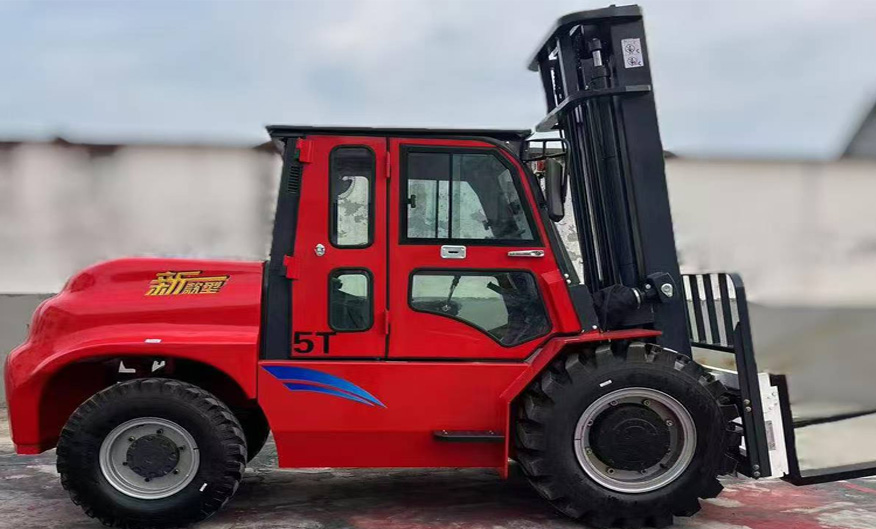
Operational safety is prioritized in all-terrain forklift designs, incorporating features such as rollover protection systems (ROPS) and load moment indicators (LMI). Industry reports show that these forklifts have a 30% lower incident rate compared to traditional models when used in uneven terrain. Furthermore, ergonomic cabs with climate control and vibration-dampening seats enhance operator comfort during extended shifts, contributing to higher productivity in sectors like mining and oilfield logistics.
In conclusion, the specifications of all-terrain forklifts underscore their versatility and resilience in challenging environments. With evolving technologies such as hybrid powertrains and telematics for remote monitoring, these machines are set to redefine material handling efficiency. For industries requiring reliable off-road lifting solutions, investing in all-terrain forklifts with optimized specifications ensures long-term operational success.