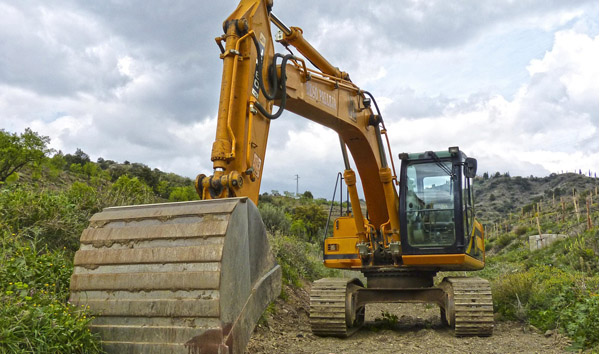
Navigating the Capabilities of Modern All-Terrain Forklifts
2025-08-18 04:55:32
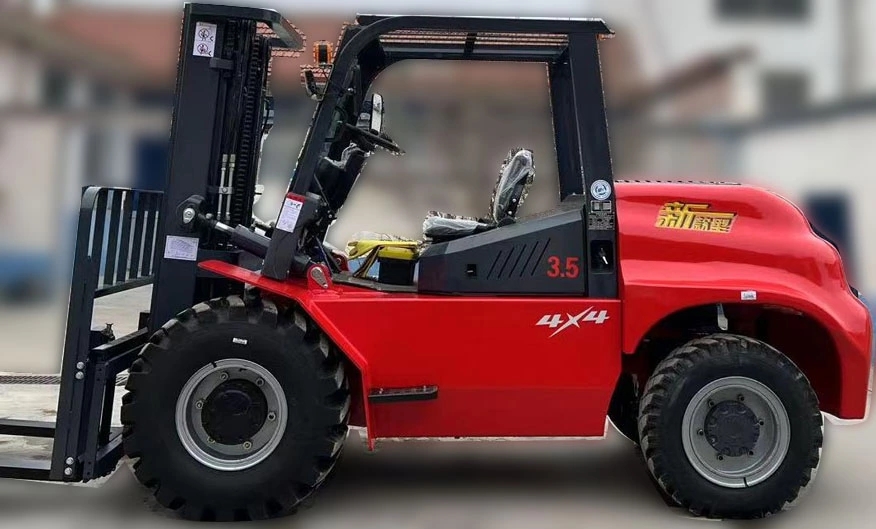
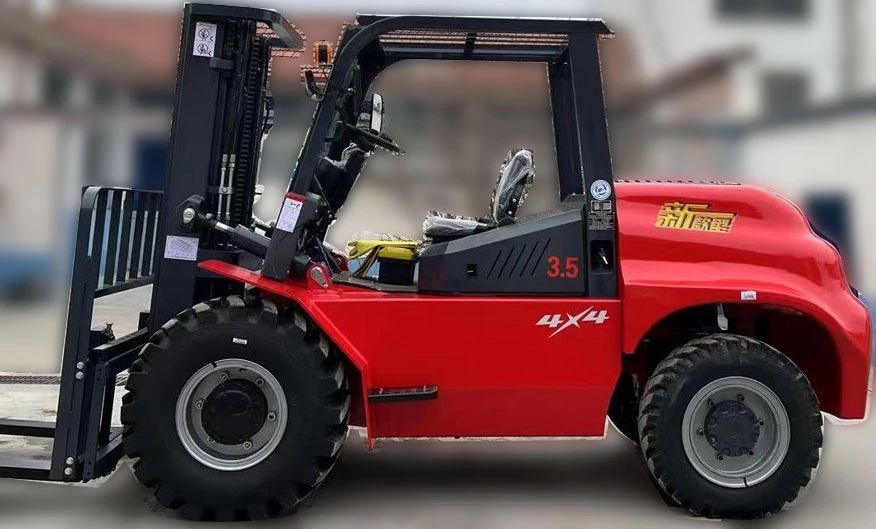
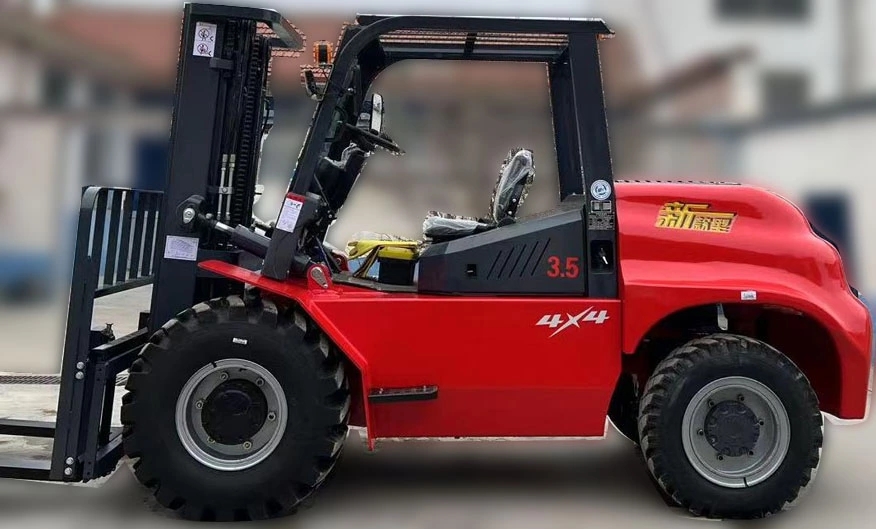
All-terrain forklifts are engineered to handle rugged environments, combining robust construction with advanced mobility features. Key specifications include load capacities ranging from 5,000 to 15,000 lbs, ensuring versatility across industries like construction, agriculture, and logistics. These machines often feature heavy-duty tires with deep treads, enabling stability on uneven surfaces such as gravel, mud, or sand. Additionally, their hydraulic systems are optimized for precision lifting, even in challenging conditions.
One of the defining characteristics of all-terrain forklifts is their engine power, typically ranging from 74 to 130 horsepower. This ensures sufficient torque for climbing inclines and transporting heavy loads over rough terrain. Many models incorporate turbocharged diesel engines, which provide the necessary durability and fuel efficiency for prolonged operation. Furthermore, these forklifts often include advanced cooling systems to prevent overheating during intensive use, a critical feature for industries requiring continuous uptime.
Terrain adaptability is another crucial specification, with all-terrain forklifts featuring articulated steering and four-wheel drive capabilities. This allows operators to navigate tight spaces and steep gradients with ease. Some models also offer oscillating axles, which enhance stability by automatically adjusting to ground irregularities. These features make all-terrain forklifts indispensable for outdoor applications, such as lumber yards, mining sites, and large-scale agricultural operations.
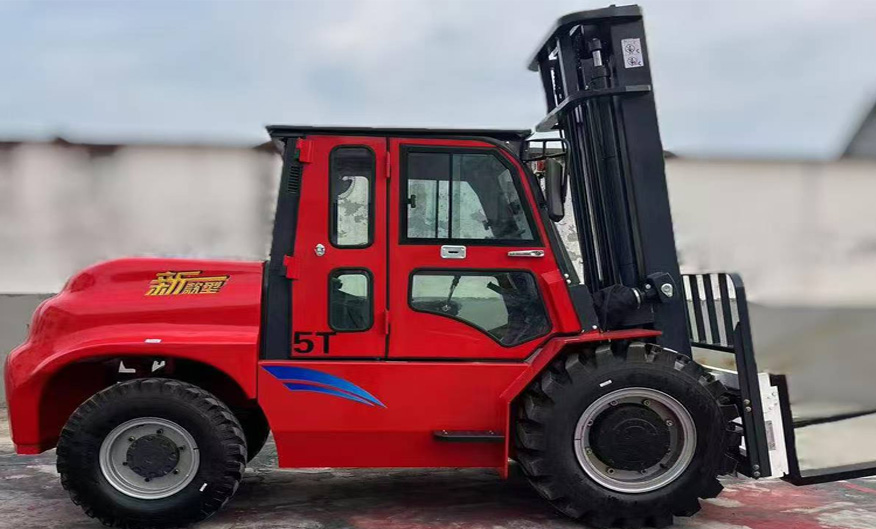
Safety remains a top priority in the design of all-terrain forklifts. Many units come equipped with rollover protection systems (ROPS) and falling object protective structures (FOPS). Additionally, advanced braking systems, including hydraulic disc brakes, ensure reliable stopping power even under heavy loads. Operators benefit from ergonomic cabins with enhanced visibility, reducing fatigue and improving productivity during extended shifts. These safety specifications align with global industry standards, ensuring compliance in high-risk environments.
In conclusion, all-terrain forklifts are a vital asset for industries requiring robust material handling solutions. Their specifications—ranging from high load capacities to advanced terrain adaptability—make them uniquely suited for demanding applications. As technology evolves, we can expect further enhancements in fuel efficiency, automation, and operator comfort, solidifying their role in modern industrial operations. For businesses operating in challenging environments, investing in a high-performance all-terrain forklift is a strategic decision that drives efficiency and safety.