Navigating the Future: Key Specifications of All-Terrain Forklifts
2025-08-18 05:00:31
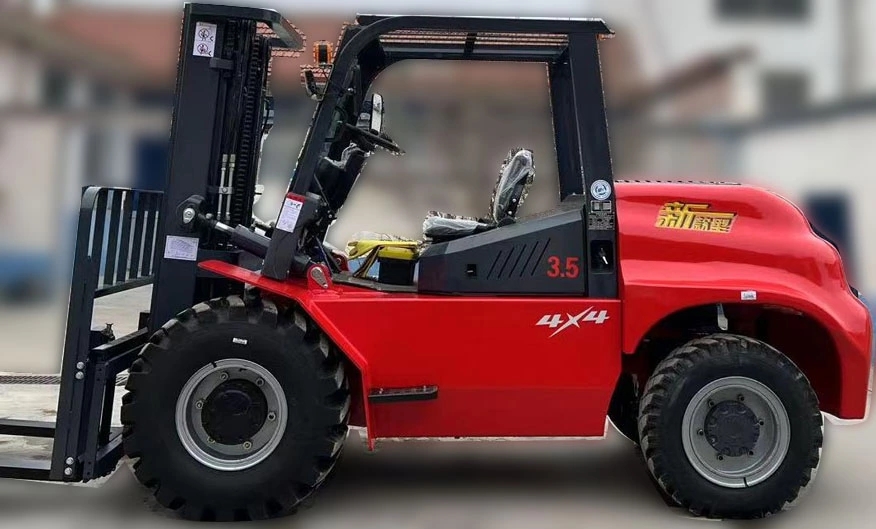
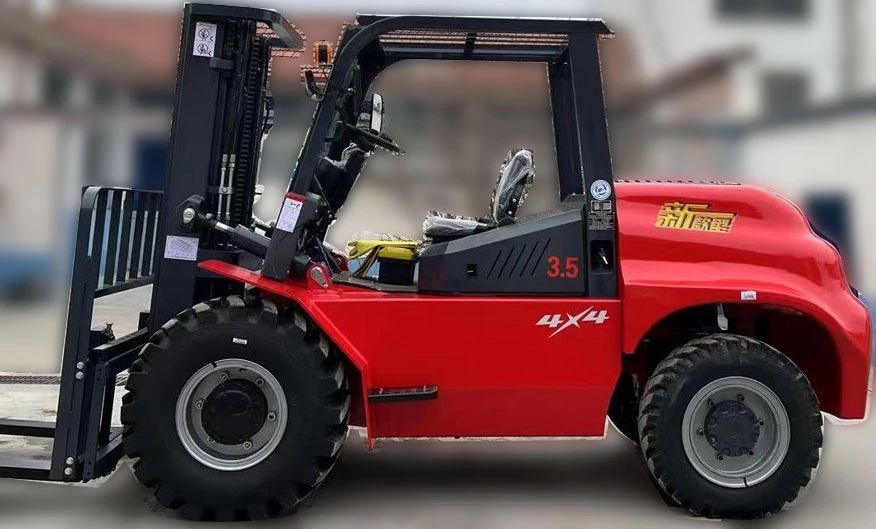
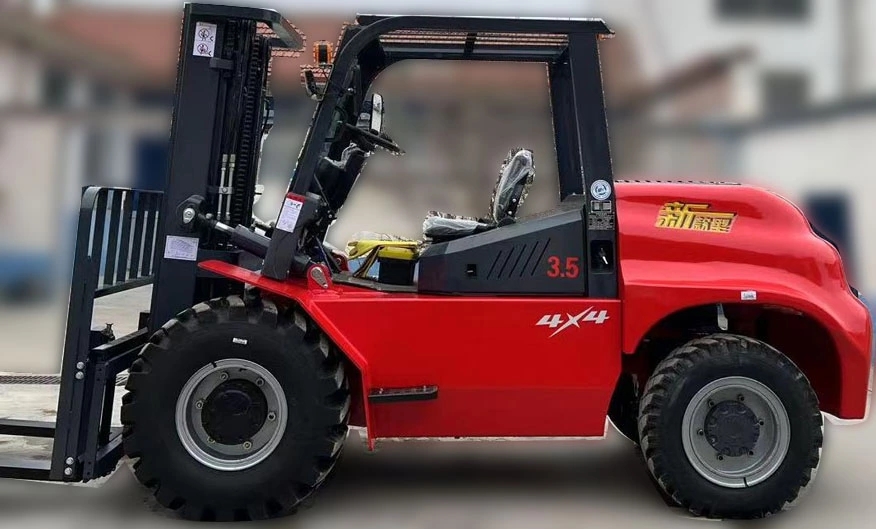
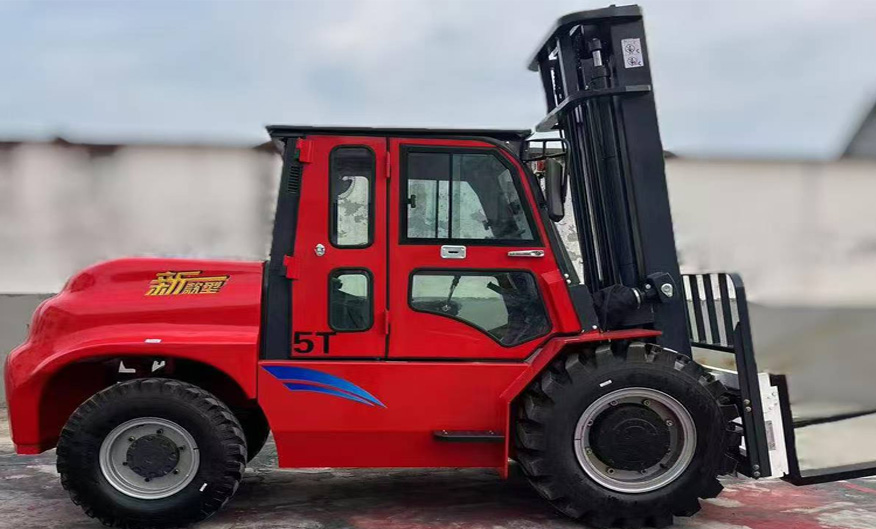
All-terrain forklifts are engineered to operate efficiently across uneven, rugged, and unstable surfaces, making them indispensable in construction, agriculture, and logistics. One of the primary specifications to consider is load capacity, which typically ranges from 3,000 to 10,000 kg, depending on the model. Higher-capacity variants are often equipped with reinforced chassis and hydraulic systems to ensure stability under heavy loads. Additionally, these forklifts feature large, pneumatic tires with deep treads to enhance traction on loose or muddy terrain.
Engine power is another critical specification for all-terrain forklifts, with most models utilizing diesel engines ranging from 50 to 150 horsepower. These engines are designed for high torque output, enabling the forklift to navigate steep inclines and rough terrain without compromising performance. Advanced emission control systems, such as Tier 4 Final compliance, ensure minimal environmental impact while maintaining operational efficiency. Some models also offer hybrid or electric alternatives, catering to industries prioritizing sustainability.
The lifting height and mast design of all-terrain forklifts are tailored for versatility, with maximum lift heights varying between 4 to 7 meters. Telescopic masts and side-shift capabilities allow operators to handle loads with precision, even in confined spaces. Furthermore, these forklifts often include adjustable suspension systems to absorb shocks and vibrations, ensuring operator comfort and load stability during transit.
Terrain adaptability is a defining feature of all-terrain forklifts, with specifications such as ground clearance (typically 300–500 mm) and approach/departure angles optimized for off-road use. Many models incorporate four-wheel drive (4WD) and differential locks to prevent wheel slippage on challenging surfaces. These features, combined with robust steel frames, make all-terrain forklifts ideal for demanding environments like mining sites or forestry operations.
Finally, technological advancements have introduced smart features into all-terrain forklift specifications, including GPS tracking, telematics, and automated load-sensing systems. These innovations improve operational efficiency, reduce downtime, and enhance safety. As industries continue to demand higher performance and reliability, manufacturers are pushing the boundaries of all-terrain forklift design to meet these evolving needs.