Navigating the Robust Capabilities of Modern All-Terrain Forklifts
2025-08-18 05:05:32
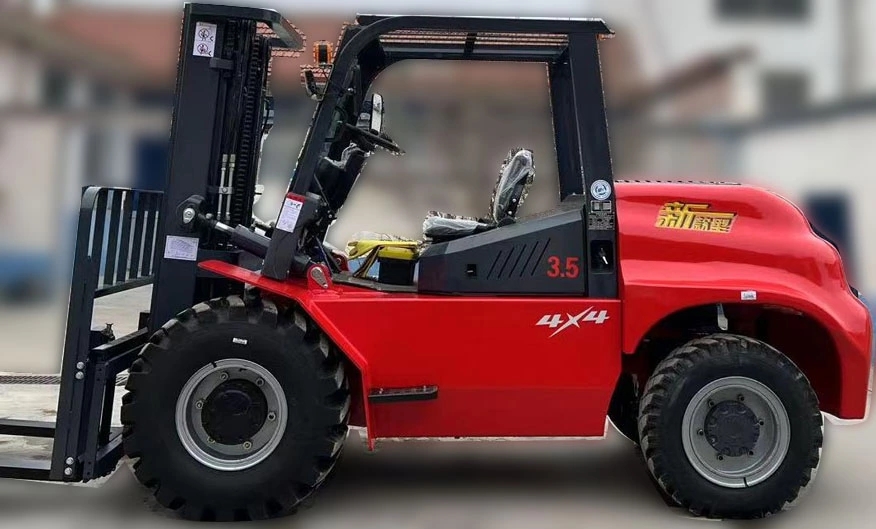
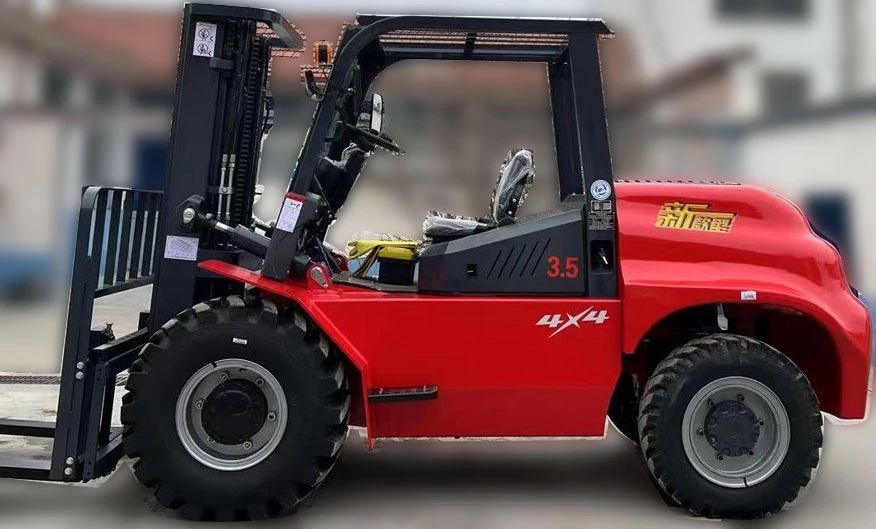
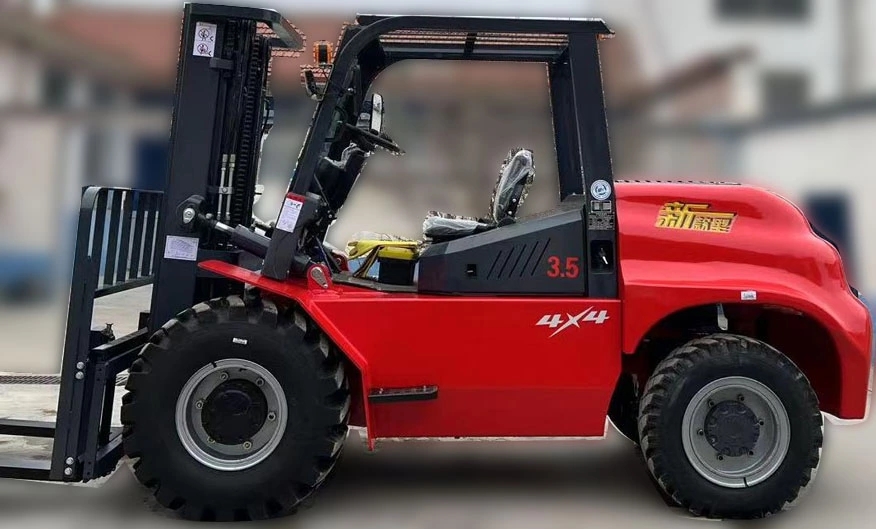
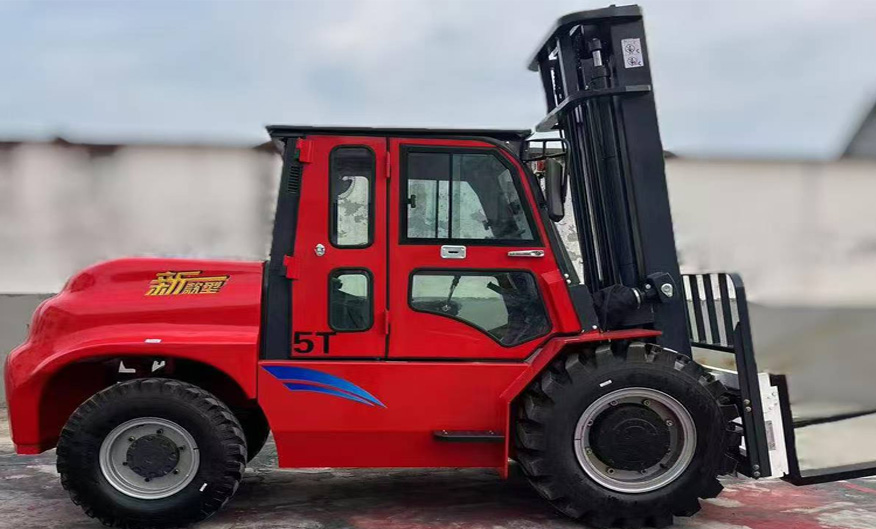
All-terrain forklifts are engineered to operate seamlessly across uneven, muddy, or rocky surfaces, making them indispensable in construction, agriculture, and forestry. Key specifications include load capacities ranging from 3,000 to 12,000 kg, ensuring versatility for heavy-duty applications. These machines often feature four-wheel drive systems and high-ground clearance, enabling them to traverse obstacles with ease. Additionally, their robust hydraulic systems provide precise load control, even on inclines up to 30 degrees.
The powertrain specifications of all-terrain forklifts are designed for maximum efficiency. Most models are equipped with turbocharged diesel engines, delivering 75–150 HP to handle demanding workloads. Advanced emission control systems, such as Tier 4 Final compliance, ensure environmental sustainability without compromising performance. Operators benefit from automatic transmissions and responsive steering systems, which enhance maneuverability in confined spaces. These forklifts also boast fuel tanks with capacities of 50–100 liters, enabling extended operation without frequent refueling.
Tire technology plays a pivotal role in the functionality of all-terrain forklifts. Pneumatic or solid rubber tires with deep treads provide superior traction on loose or slippery surfaces. Some models feature adjustable tire pressures, allowing operators to optimize grip based on terrain conditions. The suspension systems are another critical specification, with independent axles and shock absorbers minimizing vibrations for operator comfort. These features collectively ensure stability when lifting heavy loads at heights of up to 6 meters.
Safety specifications are paramount in all-terrain forklift design. ROPS (Roll-Over Protective Structures) and FOPS (Falling Object Protective Structures) are standard, safeguarding operators in hazardous environments. Advanced braking systems, including hydraulic disc brakes and anti-lock technology, ensure reliable stopping power. Additionally, LED lighting and 360-degree cameras enhance visibility during night operations or in low-light conditions. These specifications align with ISO and OSHA standards, ensuring compliance with global safety regulations.
The integration of smart technologies is transforming all-terrain forklift operations. Telematics systems enable real-time monitoring of engine performance, fuel consumption, and maintenance needs. Some models feature automated load-sensing systems, which adjust hydraulic pressure dynamically to prevent overloads. As industries increasingly prioritize efficiency, these specifications position all-terrain forklifts as future-proof investments. With their unmatched adaptability and cutting-edge features, they continue to redefine material handling in the most demanding environments.