Navigating the Complexities of All-Terrain Forklift Specifications
2025-08-19 03:45:31
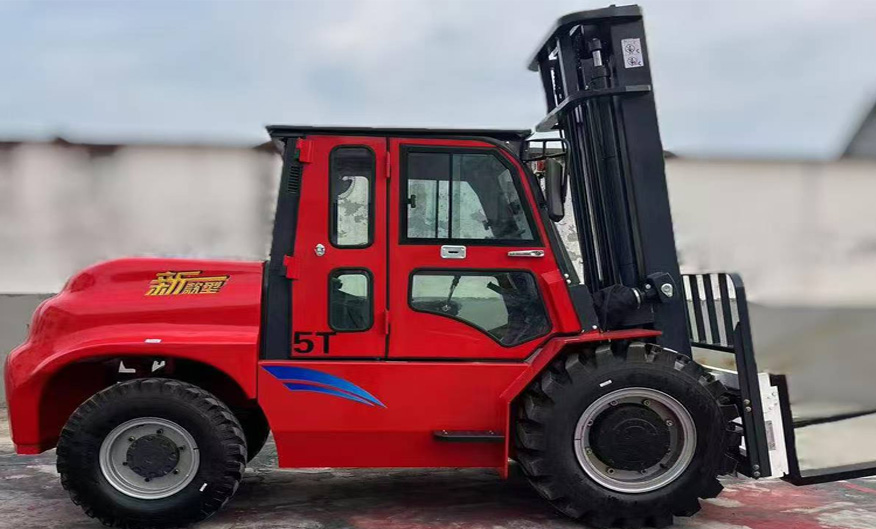
All-terrain forklifts are engineered to handle demanding environments, from construction sites to agricultural fields. One of the most critical specifications is their load capacity, which typically ranges from 5,000 to 12,000 pounds, depending on the model. These machines also feature robust tires—often pneumatic or solid rubber—designed to traverse uneven surfaces without compromising stability. Additionally, all-terrain forklifts are equipped with powerful engines, often diesel or electric, to ensure consistent performance under heavy loads.
Another vital specification is the lift height, which can extend up to 20 feet in high-capacity models. This makes all-terrain forklifts indispensable for stacking and retrieving materials in outdoor storage yards. The mast design is another consideration, with options like duplex or triplex configurations offering varying levels of reach and flexibility. Furthermore, these forklifts often include advanced hydraulic systems to ensure smooth lifting and lowering operations, even on sloped terrain.
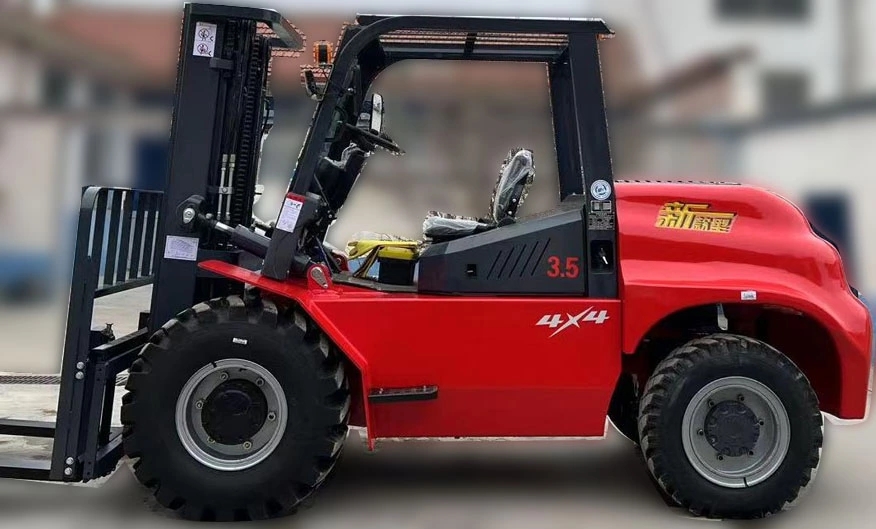
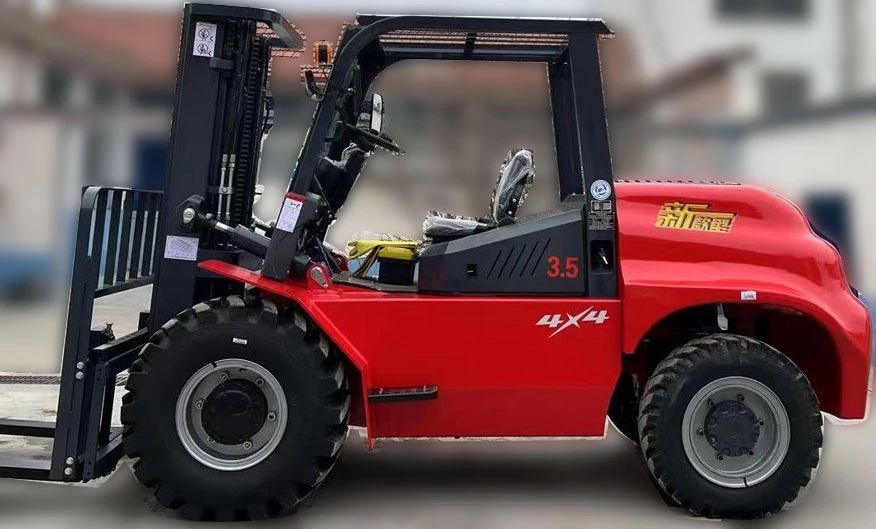
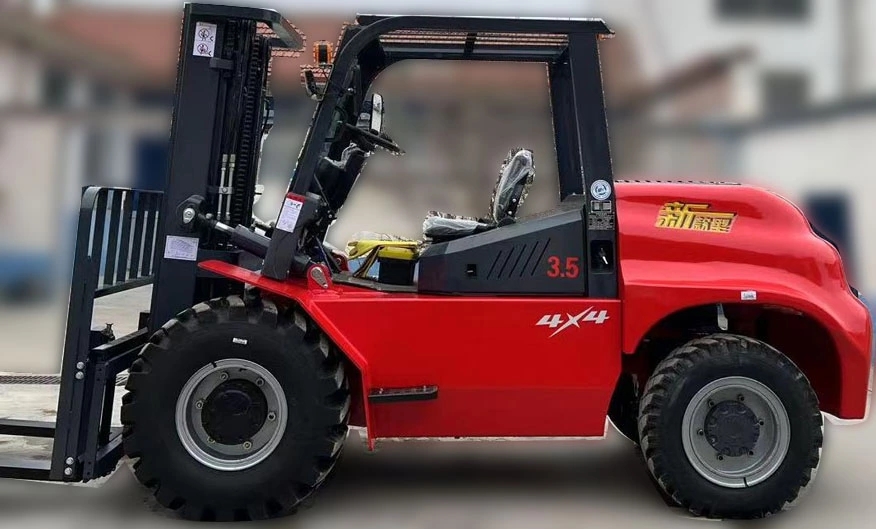
Maneuverability is a key factor in all-terrain forklift specifications, with models featuring tight turning radii and responsive steering mechanisms. Many units also come with four-wheel drive (4WD) capabilities, enhancing traction on muddy or loose surfaces. The inclusion of differential locks further improves stability when navigating challenging landscapes. Operators should also consider ground clearance, as higher clearance allows for better obstacle avoidance in rough terrains.
Fuel efficiency and emissions compliance are increasingly important in all-terrain forklift specifications. Modern models often incorporate Tier 4 Final diesel engines or lithium-ion battery systems to meet environmental regulations while reducing operational costs. Noise levels are another consideration, especially for urban job sites, where quieter electric models may be preferred. Maintenance intervals and ease of service access also play a role in long-term cost-effectiveness.
Finally, safety features are integral to all-terrain forklift specifications. Rollover protection systems (ROPS), load moment indicators, and anti-slip platforms are standard in most models. Some advanced units even include telematics for real-time performance monitoring. By carefully evaluating these specifications, businesses can select the right all-terrain forklift to maximize productivity and safety in challenging work environments.