Navigating the Complexities of All-Terrain Forklift Specifications
2025-08-19 04:10:32
All-terrain forklifts are engineered to handle uneven surfaces, steep inclines, and challenging outdoor conditions. One of the most critical specifications is load capacity, which typically ranges from 5,000 to 36,000 pounds, depending on the model. Higher-capacity units often feature reinforced chassis and advanced hydraulic systems to maintain stability under heavy loads. Additionally, all-terrain forklifts must comply with OSHA and ANSI standards to ensure safe operation in construction, agriculture, and logistics sectors.
Engine power is another decisive factor in all-terrain forklift specifications. Most models utilize diesel engines with horsepower ratings between 74 HP and 150 HP, providing the torque needed for rough terrain. Some newer electric and hybrid variants offer comparable performance while reducing emissions. The engine must also support auxiliary functions like hydraulic pumps for lifting and tilting mechanisms, ensuring seamless operation in demanding environments.
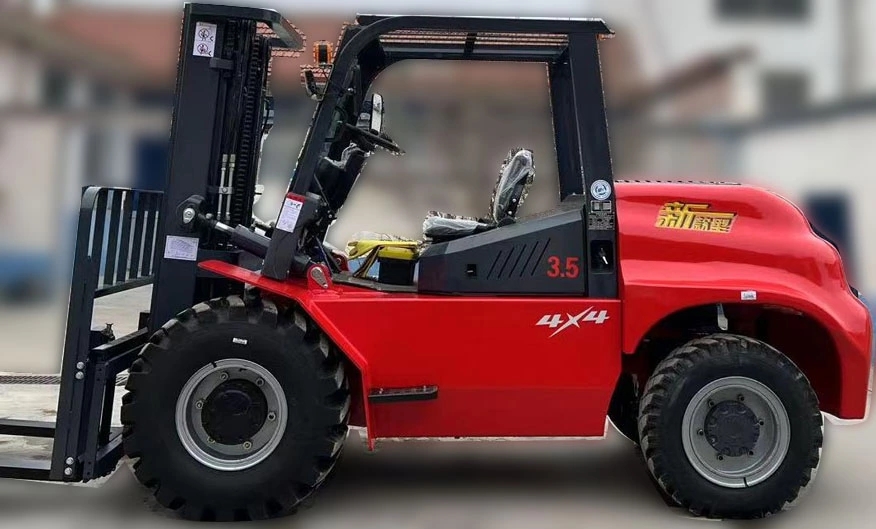
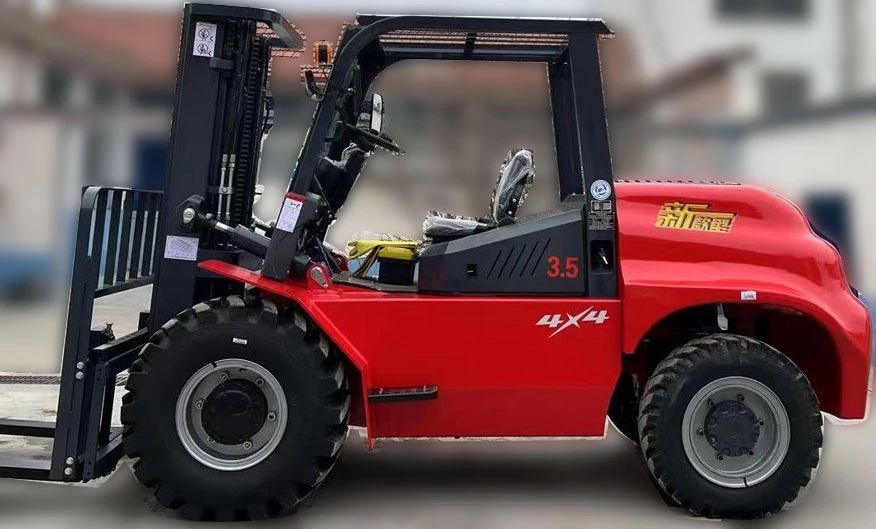
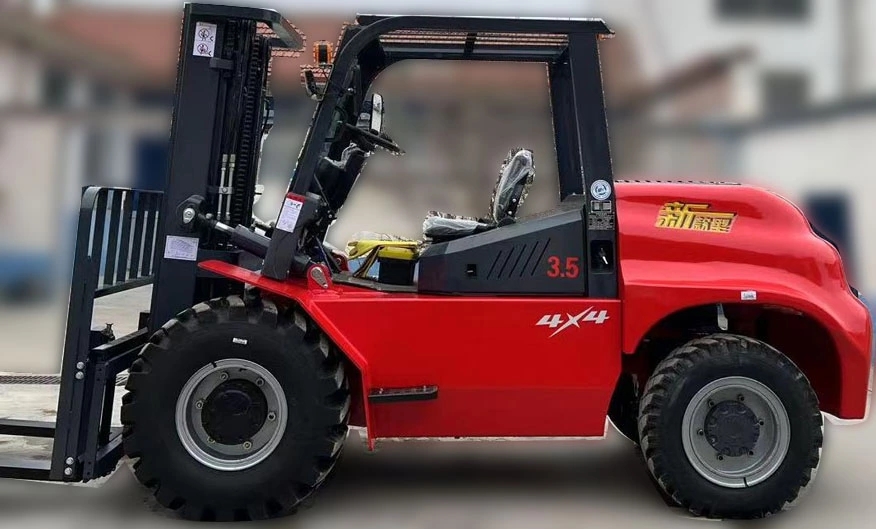
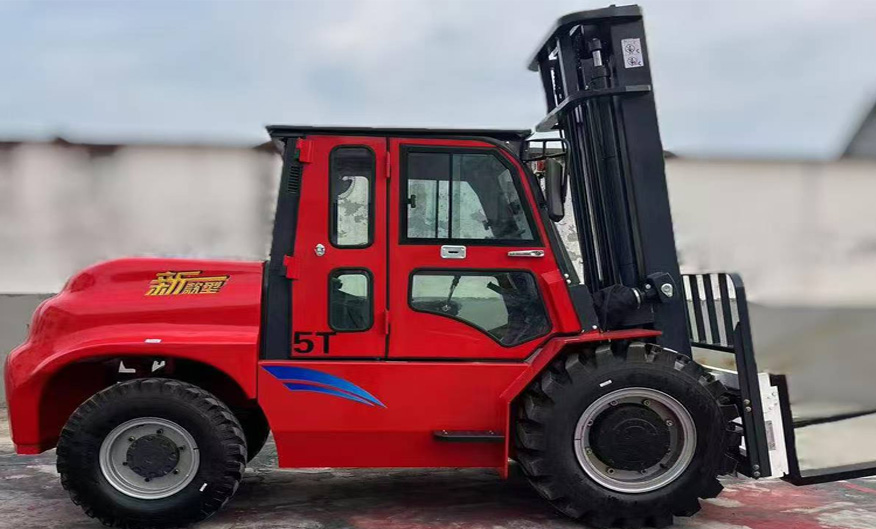
Tire design plays a pivotal role in the functionality of all-terrain forklifts. Pneumatic or solid rubber tires with deep treads enhance traction on mud, gravel, and loose soil. Some models feature oscillating axles or independent suspension systems to improve stability on uneven ground. The right tire specification can significantly reduce slippage and improve fuel efficiency, making it a key consideration for buyers.
Stability features are non-negotiable in all-terrain forklift specifications. Many units incorporate dynamic stability control (DSC) systems that adjust weight distribution in real time. Additionally, features like outriggers, counterweights, and low-center-of-gravity designs prevent tip-overs on slopes. These specifications are particularly crucial for industries like mining and forestry, where uneven terrain is a constant challenge.
Finally, operational ergonomics and technology integrations are becoming standard in modern all-terrain forklifts. Advanced models now include GPS tracking, telematics, and automated load-sensing systems. These innovations not only enhance efficiency but also align with Industry 4.0 trends. When evaluating all-terrain forklift specifications, buyers must balance performance, safety, and technological advancements to make informed decisions.