Navigating the Robust Capabilities of All-Terrain Forklifts
2025-08-19 05:00:30
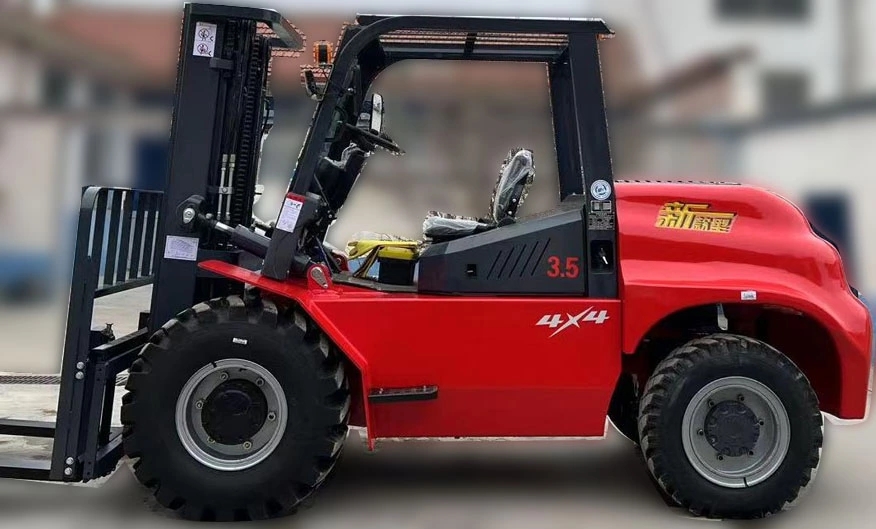
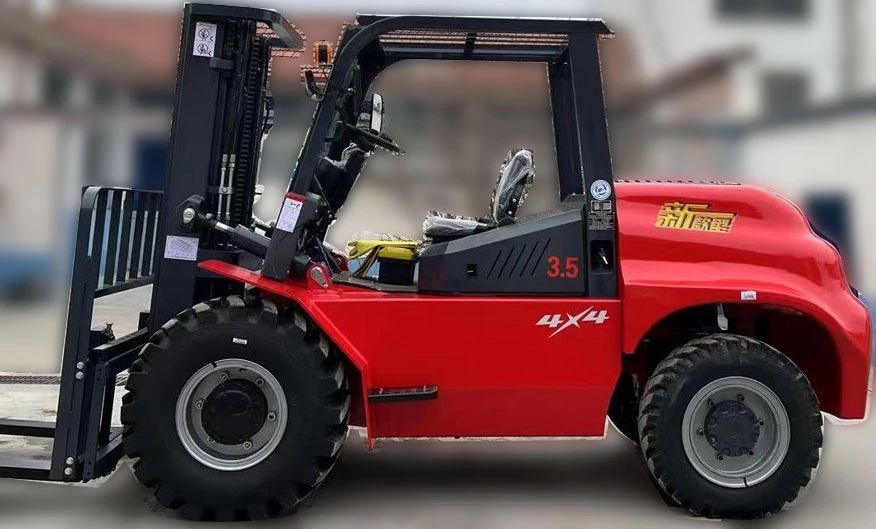
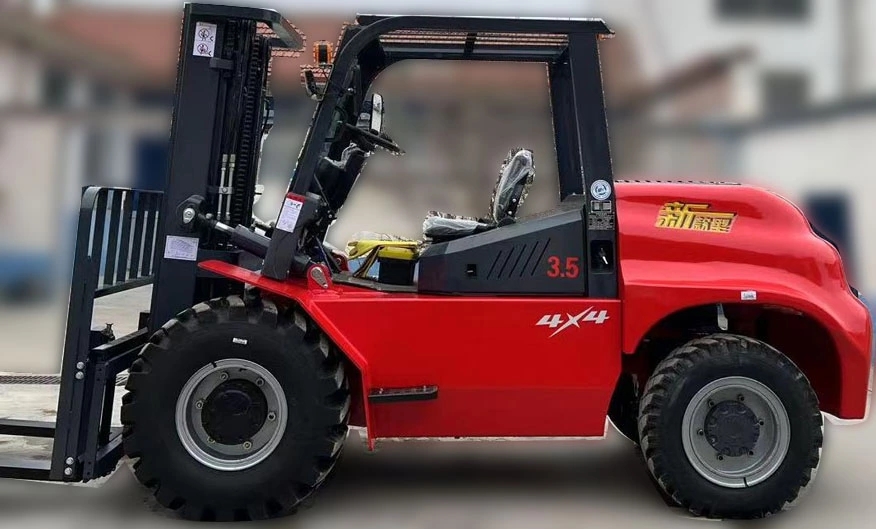
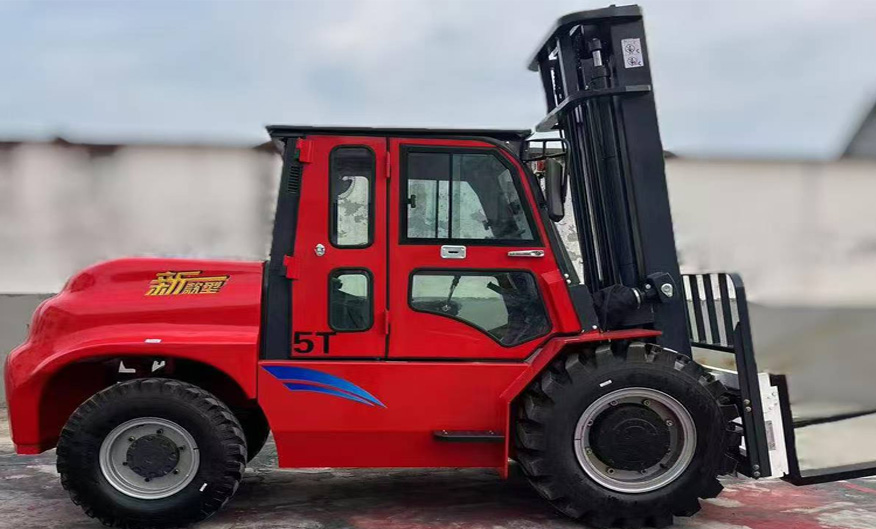
All-terrain forklifts are designed to operate efficiently across diverse landscapes, from uneven construction sites to muddy agricultural fields. Key specifications include a reinforced chassis, high-ground clearance, and rugged tires, ensuring stability on rough terrain. These forklifts typically feature four-wheel drive (4WD) systems, enabling superior traction in slippery or loose conditions. Load capacities range from 3,000 to 10,000 kg, catering to heavy-duty industrial demands. Additionally, their hydraulic systems are optimized for precision lifting, even on inclines, making them indispensable in sectors like logistics and mining.
The powertrain specifications of all-terrain forklifts set them apart from conventional models. Most units are equipped with turbocharged diesel engines, delivering between 50 to 150 horsepower, depending on the model. Advanced emission control systems ensure compliance with global environmental standards, such as Tier 4 Final. Operators benefit from ergonomic cabins with shock-absorbing seats and intuitive control panels, reducing fatigue during extended shifts. Furthermore, these forklifts often incorporate dynamic braking systems and anti-roll technology, enhancing safety when navigating steep gradients or unstable ground.
Maneuverability is a critical factor in all-terrain forklift specifications. Many models feature articulated steering or crab steering, allowing tight turns in confined spaces. The inclusion of oscillating axles improves wheel contact with uneven surfaces, minimizing load instability. Tire options vary, with solid rubber or pneumatic designs offering puncture resistance or enhanced cushioning, respectively. Industry data indicates that all-terrain forklifts with these specifications reduce downtime by 20% compared to standard forklifts in harsh environments, proving their operational superiority.
Technological advancements have further refined all-terrain forklift specifications. Modern units integrate telematics systems for real-time performance monitoring, enabling predictive maintenance and fuel efficiency optimization. Some high-end models offer automated load-sensing hydraulics, adjusting lifting speeds based on weight distribution. These innovations align with Industry 4.0 trends, where data-driven equipment enhances productivity. Case studies from the oil and gas sector demonstrate a 15% increase in material handling efficiency when using telematics-enabled all-terrain forklifts.
In conclusion, all-terrain forklift specifications are meticulously engineered to meet the demands of challenging work environments. From robust chassis designs to intelligent control systems, these machines deliver unmatched versatility and reliability. As industries continue to prioritize efficiency and safety, the adoption of all-terrain forklifts is projected to grow by 8% annually over the next five years, solidifying their role as a cornerstone of modern material handling solutions.