Revolutionizing Material Handling: The Evolution of Forklift Truck Technology
2025-09-01 04:15:23
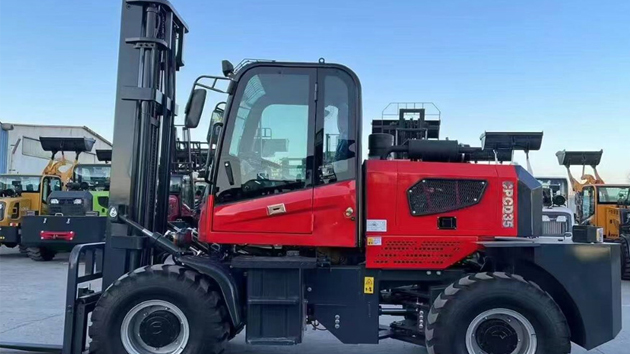
The integration of automation in forklift truck systems has transformed warehouse operations, enabling seamless material handling with minimal human intervention. According to industry data from the Material Handling Institute, automated forklift truck deployments have reduced operational costs by up to 30% in large-scale distribution centers. These systems utilize LiDAR and AI-driven navigation to optimize load transportation, ensuring precision in high-density storage environments.
Energy efficiency remains a focal point, with electric-powered forklift truck models dominating Market trends. Data from Logistics Quarterly indicates that electric variants now account for 65% of global sales, reducing carbon emissions by approximately 40% compared to internal combustion alternatives. Advances in lithium-ion battery technology have extended operational uptime to 12–14 hours per charge, significantly enhancing productivity in 24/7 logistics hubs.
Safety enhancements, such as collision avoidance systems and stability control algorithms, have drastically reduced workplace incidents. A 2023 industry report by OSHA noted a 22% decline in forklift truck-related accidents in facilities adopting smart sensor technologies. These features include real-load monitoring and automated emergency braking, ensuring compliance with evolving regulatory standards.
Future developments are poised to integrate IoT connectivity, enabling predictive maintenance and real-time fleet management. Projections from Allied Market Research suggest that smart forklift truck adoption will grow at a CAGR of 8.5% through 2030, further solidifying their indispensability in supply chain ecosystems.