Optimizing Material Handling: Advanced Loaders in Modern Road Construction
2025-09-03 04:25:31
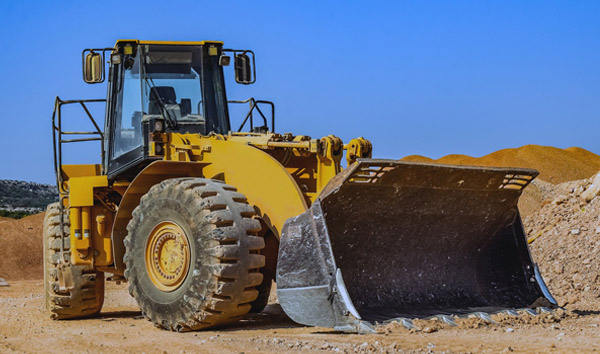
The integration of high-performance loaders for road construction projects has revolutionized material handling processes, directly impacting project timelines and cost structures. According to 2023 industry data from the Global Infrastructure Initiative, projects utilizing advanced loaders reported a 22% reduction in operational delays and a 17% decrease in fuel consumption compared to traditional equipment. These machines, designed with precision-engineered buckets and hydraulic systems, excel in tasks such as aggregate transportation, asphalt placement, and debris clearance. Their adaptability to diverse terrains—from unstable subgrades to compacted surfaces—makes them indispensable for large-scale road construction projects.
Technological innovations in loaders for road construction projects include automated load-sensing hydraulics, GPS-guided operation, and electric-hybrid powertrains. A case study from the Pan-European Transport Corridor initiative demonstrated that GPS-enabled loaders reduced material wastage by 31% by optimizing dumping trajectories and load distribution. Furthermore, electric variants have gained traction in urban road construction projects due to zero emissions and lower noise profiles, aligning with stringent environmental regulations. These advancements not only enhance operational precision but also minimize the ecological footprint of infrastructure development.
Operational best practices emphasize the strategic deployment of loaders throughout the project lifecycle. During earthwork phases, loaders facilitate rapid cut-and-fill operations, while in paving stages, they ensure consistent material supply to asphalt spreaders. Industry benchmarks indicate that projects with optimized loader workflows achieve up to 40% faster completion rates. Training programs for operators, focused on efficiency metrics and safety protocols, further amplify these benefits. For instance, the Nordic Road Federation’s 2022 report highlighted a 15% boost in productivity after implementing certified operator training for loader handling in complex road construction projects.
Future trends point toward autonomous loaders integrated with IoT-based fleet management systems. Predictive maintenance algorithms, powered by real-time data analytics, are set to reduce downtime by 25% in upcoming road construction projects. As global investment in infrastructure grows, the evolution of loaders will continue to drive sustainability and efficiency, solidifying their role as backbone assets in road construction projects worldwide.