Revolutionizing Material Handling: The Evolution of Forklift Truck Technology
2025-09-04 03:10:27
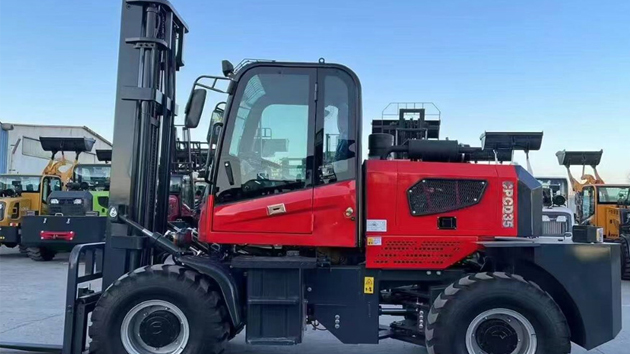
The global material handling industry has witnessed a paradigm shift with the integration of advanced technologies into forklift truck designs. According to industry reports, the Market for electric forklift trucks is projected to grow at a CAGR of 7.2% from 2023 to 2030, driven by stringent emissions regulations and the push for sustainable operations. Modern forklift trucks now feature IoT-enabled sensors, predictive maintenance algorithms, and autonomous navigation systems, reducing downtime by up to 30% in large-scale warehouses.
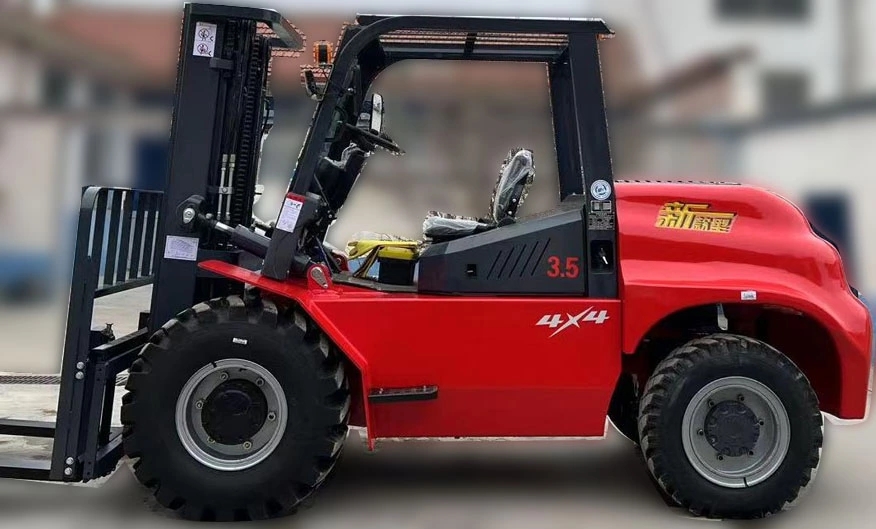
Operational efficiency remains a cornerstone of forklift truck utilization, particularly in high-density storage environments. A study by the Material Handling Institute (MHI) indicates that companies using smart forklift trucks report a 22% increase in load-handling speed and a 15% reduction in energy consumption. The versatility of a forklift truck—whether equipped for narrow-aisle maneuvering or heavy-duty lifting—ensures adaptability across sectors like manufacturing, retail, and e-commerce.
Safety enhancements represent another critical area of innovation. Modern forklift trucks incorporate collision avoidance systems, stability control mechanisms, and ergonomic designs that minimize operator fatigue. Data from OSHA reveals that facilities utilizing these advanced forklift trucks have seen a 40% decline in workplace incidents related to material handling.
The future of forklift truck development hinges on automation and connectivity. Autonomous forklift trucks, guided by AI and real-time data analytics, are already deployed in smart factories, optimizing inventory management and reducing labor costs. As Industry 4.0 gains traction, the role of the forklift truck will evolve from a mere utility vehicle to an integrated node in the digital supply chain ecosystem.