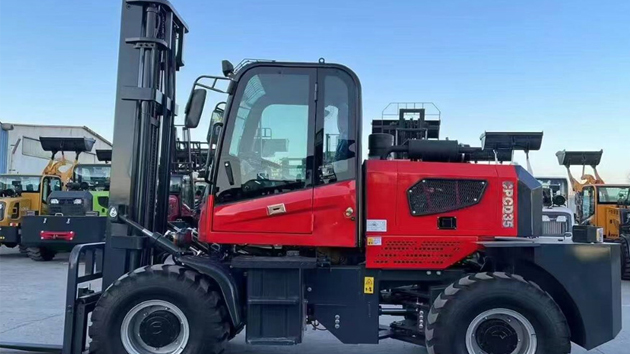
Navigating the Global Market: All-Terrain Forklift Rental for Export
2025-07-30 05:20:28
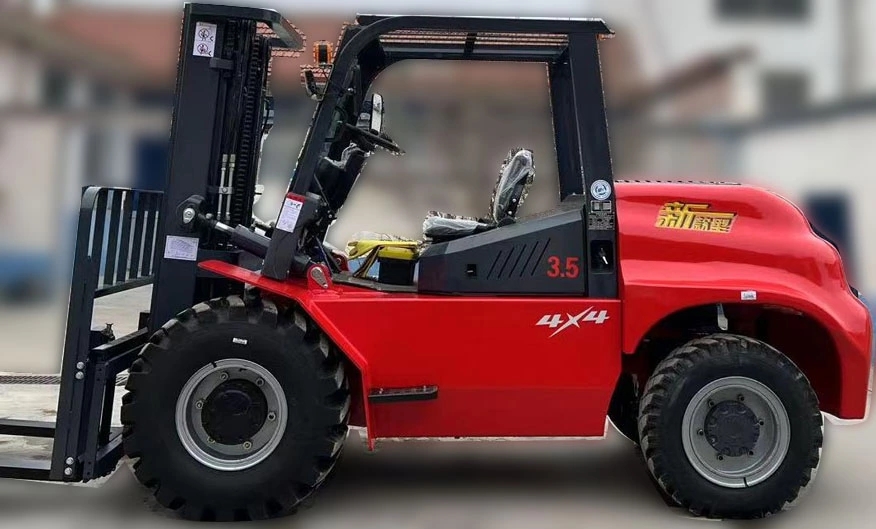
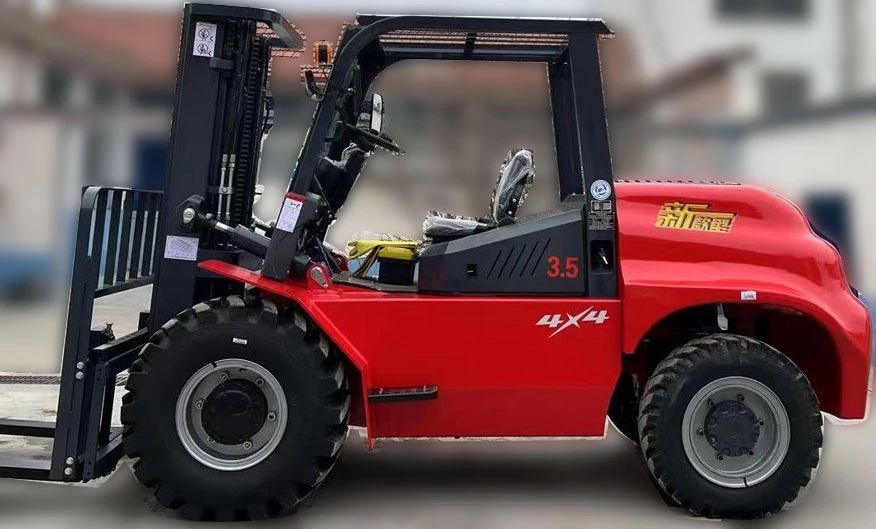
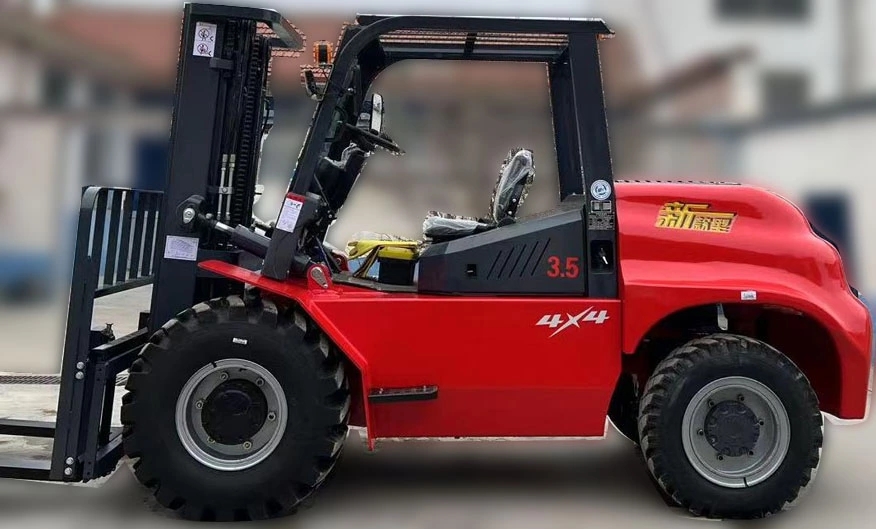
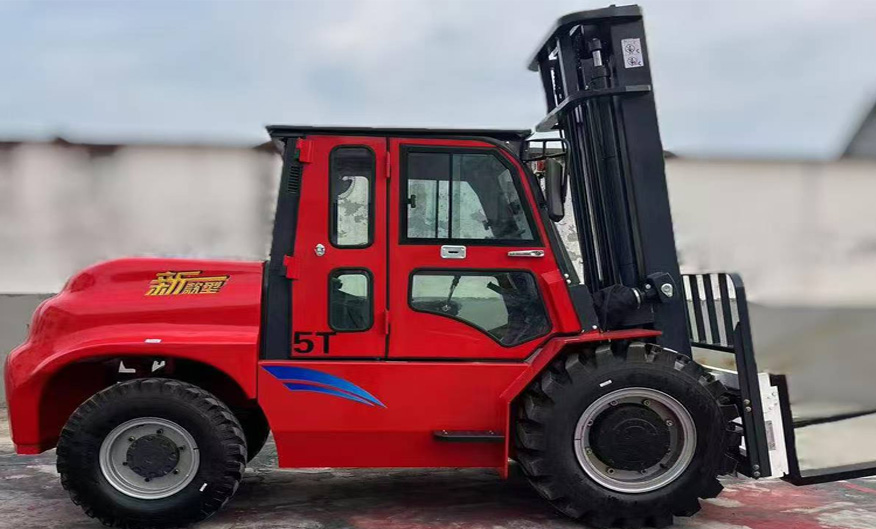
The global Market for all-terrain forklift rental is experiencing robust growth, with a projected CAGR of 6.8% from 2023 to 2030. Export-oriented businesses are increasingly relying on these machines due to their adaptability in challenging environments, from construction sites to ports. Unlike standard forklifts, all-terrain models offer enhanced stability and load capacity, making them indispensable for heavy-duty operations.
One of the primary advantages of all-terrain forklift rental for export is cost efficiency. Purchasing new equipment can be prohibitively expensive for overseas clients, especially in emerging markets. Rental solutions provide flexibility, allowing businesses to scale operations without significant capital expenditure. For example, Southeast Asian logistics firms have reported a 30% reduction in equipment costs by opting for short-term all-terrain forklift rentals instead of outright purchases.
However, exporting all-terrain forklifts for rental comes with logistical hurdles. Compliance with regional safety standards, such as EU Machinery Directive 2006/42/EC or OSHA regulations in the U.S., is critical. Additionally, maintenance support must be streamlined to minimize downtime. Leading rental providers are addressing this by establishing local service hubs—a strategy that has boosted rental uptime by 25% in key export markets like Latin America and Africa.
Technological advancements are reshaping the all-terrain forklift rental landscape. Telematics-enabled models now allow remote monitoring of fuel consumption, load weights, and maintenance alerts, enhancing operational transparency for international clients. This innovation is particularly valuable for export markets where real-time equipment tracking can mitigate risks associated with long-distance rentals.
Sustainability is another driving force behind the export demand for all-terrain forklift rentals. With stricter emissions regulations worldwide, electric and hybrid models are gaining traction. European rental companies, for instance, have seen a 40% increase in requests for eco-friendly all-terrain forklifts from Middle Eastern clients transitioning to greener logistics solutions.
In conclusion, the all-terrain forklift rental sector presents lucrative export opportunities, but success hinges on adaptability, compliance, and technological integration. Businesses that prioritize these factors will be well-positioned to capitalize on the growing global demand for versatile, cost-effective material handling solutions.