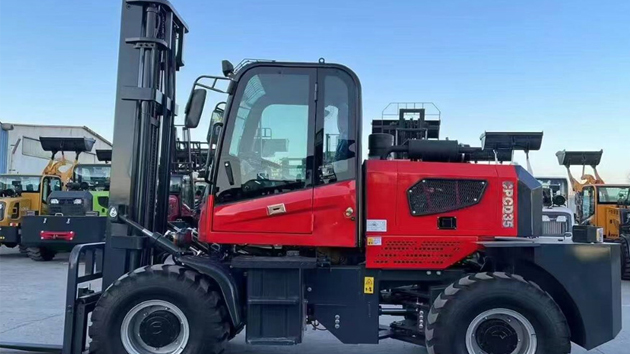
Revolutionizing Container Handling with Rough Terrain Forklifts
2025-08-10 03:45:29
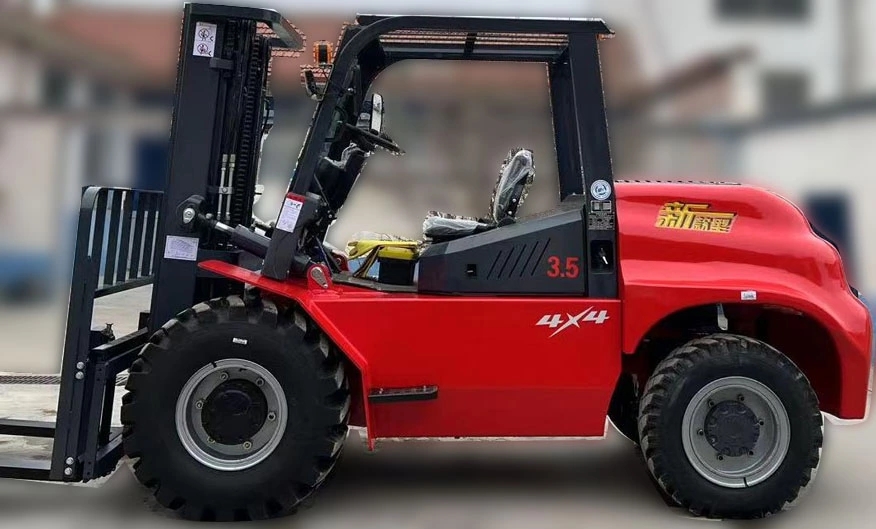
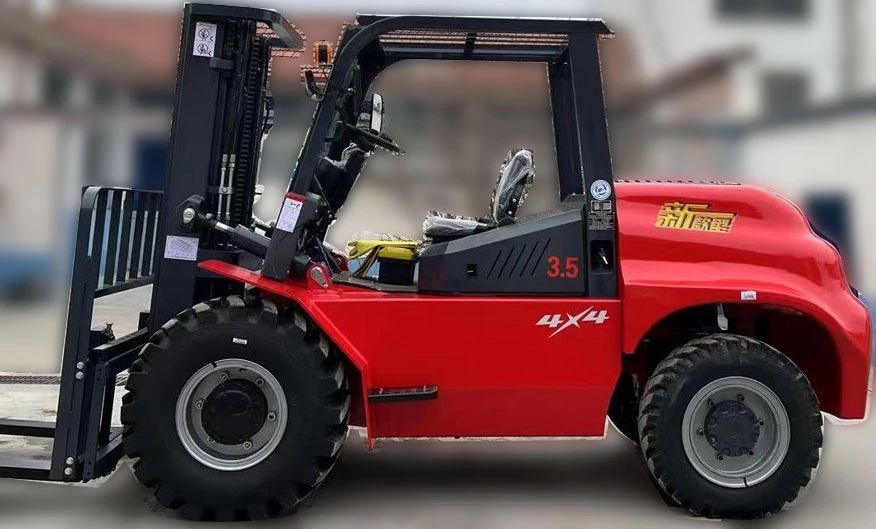
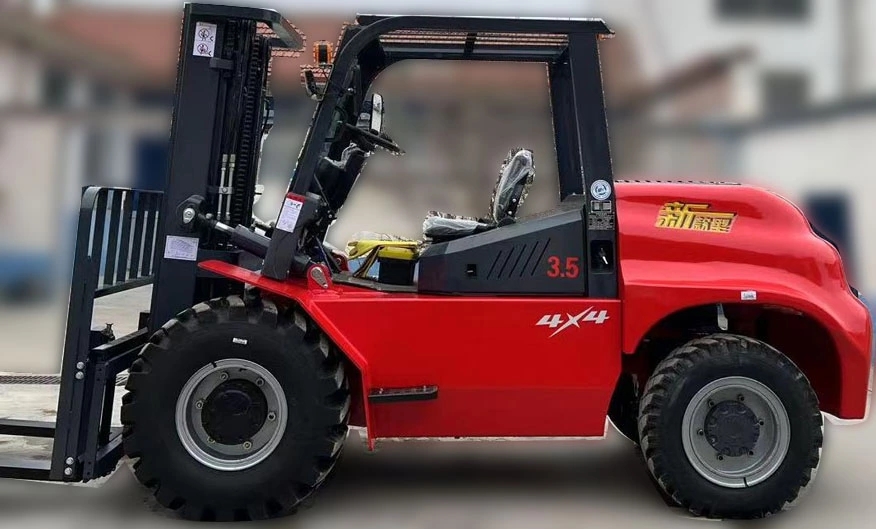
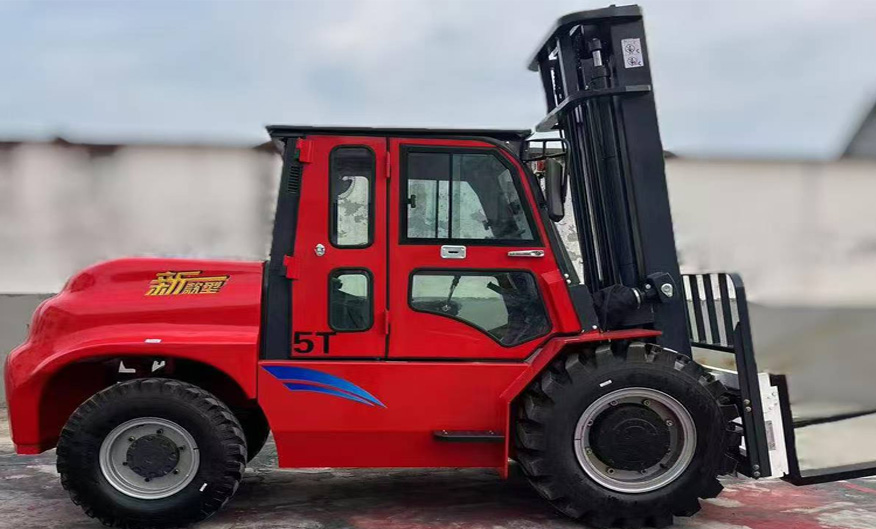
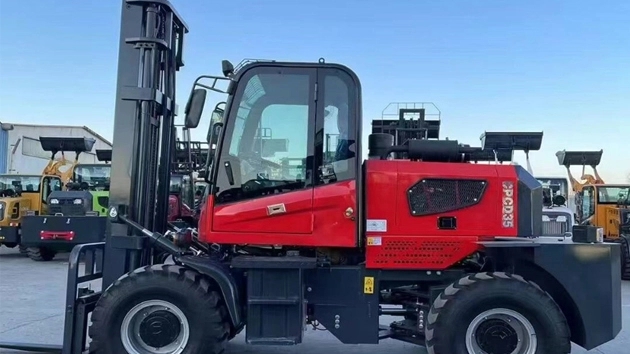
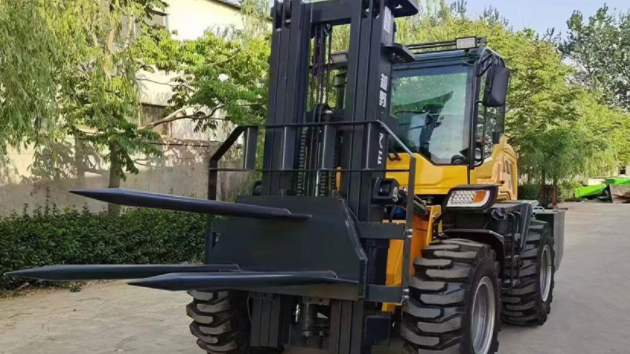
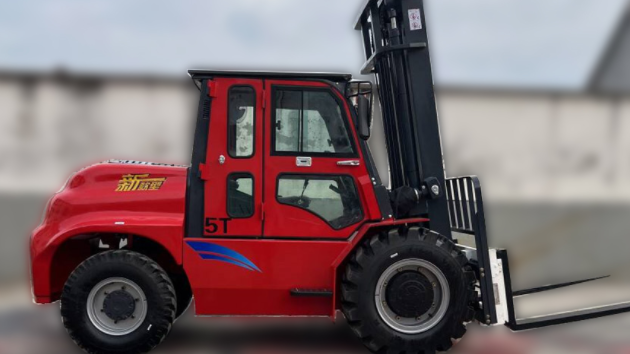
The demand for efficient container handling in rugged environments has led to significant advancements in Rough Terrain Forklift technology. Unlike standard forklifts, these specialized machines are engineered with reinforced frames, heavy-duty tires, and advanced suspension systems to navigate uneven surfaces with ease. Their ability to operate on gravel, mud, and rough construction sites makes them indispensable for ports, warehouses, and remote job sites where conventional forklifts would fail.
One of the key advantages of rough terrain forklifts for container loading/unloading is their high lifting capacity. With load capacities ranging from 6,000 to 36,000 pounds, these machines can effortlessly handle standard 20-foot and 40-foot shipping containers. The integration of telescopic booms and hydraulic stabilizers ensures precise positioning, even on unstable ground. Additionally, modern models feature advanced load-sensing hydraulics, which optimize power distribution and reduce fuel consumption—a critical factor for operations requiring prolonged use in harsh conditions.
Safety remains a top priority when deploying rough terrain forklifts for container operations. Manufacturers have incorporated features such as anti-rollover protection, automatic braking systems, and 360-degree visibility enhancements to mitigate risks. Operators also benefit from ergonomic cabins with vibration-dampening technology, reducing fatigue during extended shifts. According to industry reports, companies utilizing rough terrain forklifts for container loading/unloading have seen a 30% reduction in workplace accidents compared to traditional methods involving cranes or manual labor.
The future of rough terrain forklifts in container logistics looks promising, with ongoing innovations in automation and electrification. Hybrid and electric models are gaining traction, offering reduced emissions and lower operational costs without compromising performance. As global trade continues to expand, the reliance on these robust machines for efficient container handling in challenging terrains will only grow, solidifying their role as a cornerstone of modern logistics infrastructure.