The Future of Off-Road Forklifts: Innovations and Industry Trends
2025-08-10 03:55:31
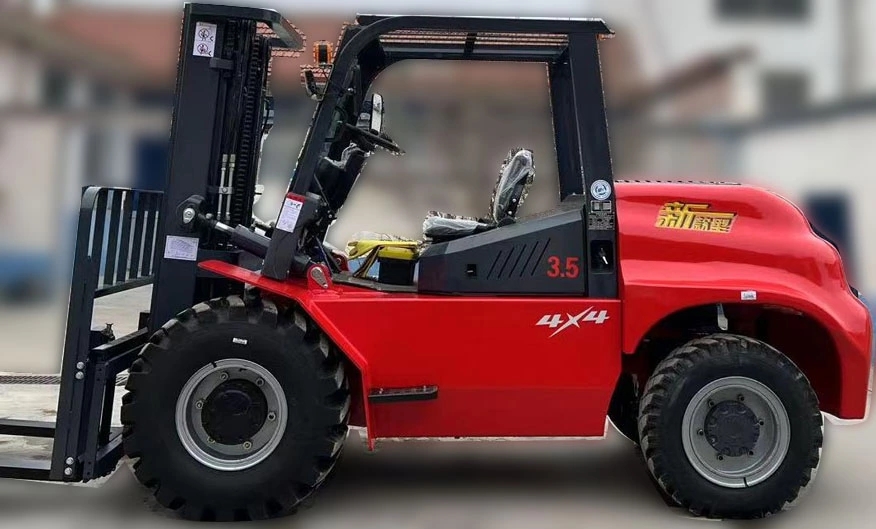
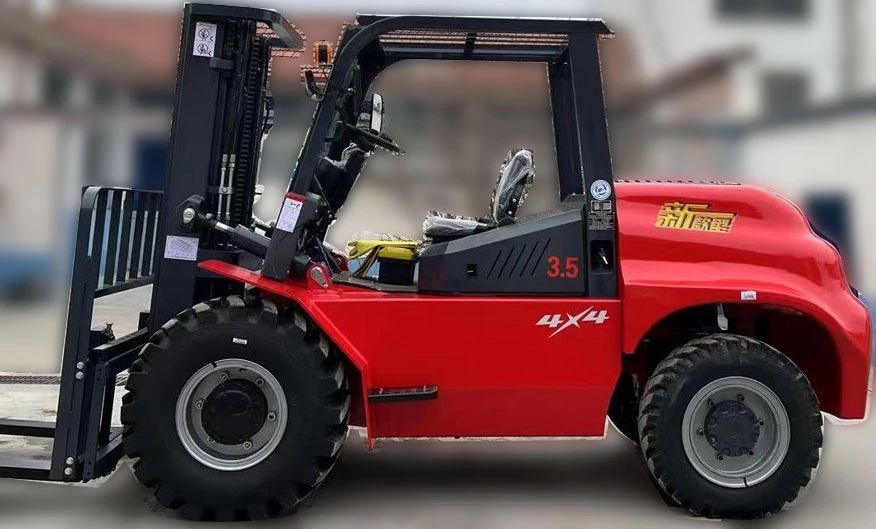
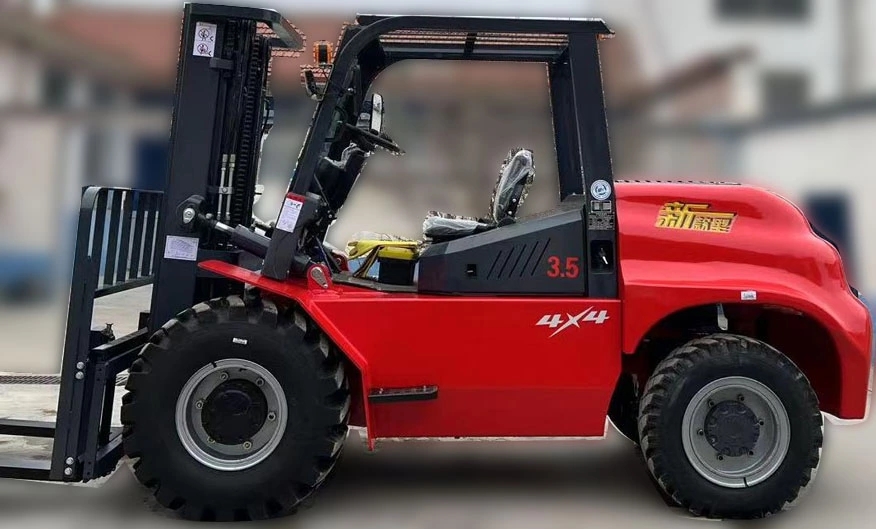
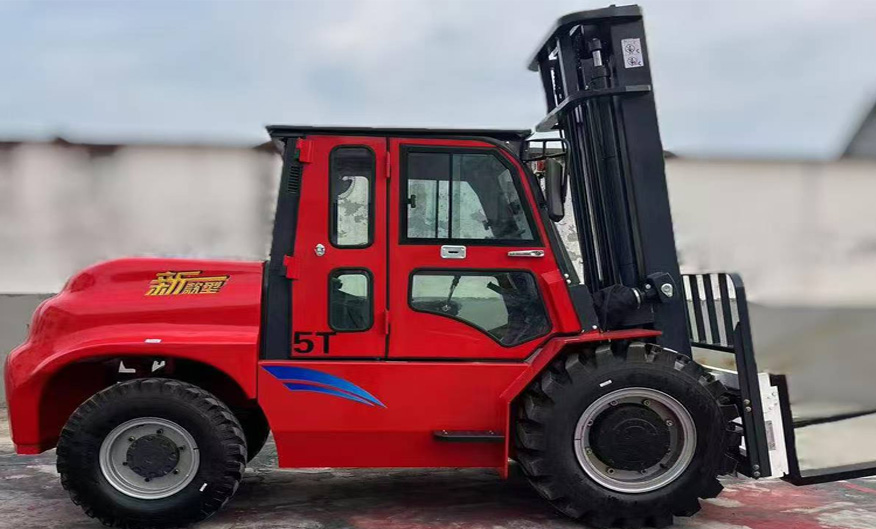
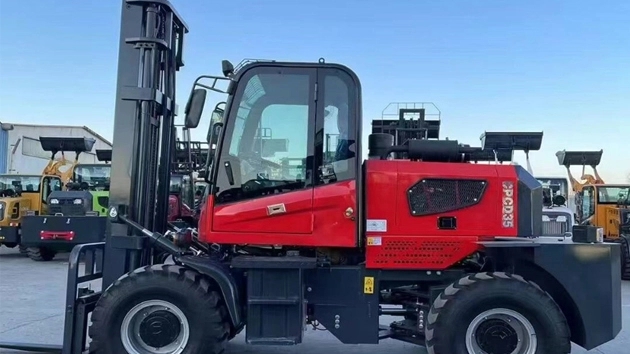
The off-road forklift Market is experiencing significant growth, driven by increasing demand in construction, agriculture, and mining sectors. Unlike conventional forklifts, off-road models are designed to handle uneven surfaces, steep inclines, and harsh environmental conditions. Recent data from the Industrial Truck Association (ITA) indicates a 12% year-over-year increase in off-road forklift sales, reflecting their rising importance in heavy-duty applications.
One of the key innovations in off-road forklifts is the integration of hybrid and electric powertrains. Manufacturers like Toyota and Hyster are leading the charge, developing models that combine diesel engines with electric motors to enhance fuel efficiency and reduce emissions. A 2023 study by McKinsey & Company found that hybrid off-road forklifts can lower operational costs by up to 18% compared to traditional diesel-only units. This shift aligns with global sustainability goals, making these machines more appealing to eco-conscious industries.
Another critical factor is the advancement in tire technology. Off-road forklifts now utilize puncture-resistant, deep-tread tires that provide superior traction on loose gravel, mud, and sand. Companies such as Michelin and Goodyear have introduced specialized compounds that extend tire lifespan by 30%, reducing downtime and maintenance expenses. Field tests conducted by Caterpillar demonstrated that these tires improve stability and load-bearing capacity, even in extreme off-road conditions.
Automation is also reshaping the off-road forklift landscape. Autonomous navigation systems, powered by AI and LiDAR sensors, enable these machines to operate in remote or hazardous environments with minimal human intervention. For instance, Komatsu’s latest autonomous off-road forklift can navigate construction sites with precision, optimizing material handling workflows. According to a report by Boston Consulting Group, automated off-road forklifts could account for 25% of the market by 2030, driven by labor shortages and safety regulations.
In conclusion, the off-road forklift industry is undergoing a transformative phase, marked by technological breakthroughs and shifting market dynamics. From hybrid powertrains to smart automation, these innovations are enhancing productivity, sustainability, and safety. As demand grows, manufacturers must continue to prioritize R&D to meet the evolving needs of off-road applications. The future of off-road forklifts is not just about power—it’s about intelligent, adaptable solutions for challenging environments.