Unveiling the Power of Off-Road Forklifts: A Comprehensive Q&A
2025-09-06 04:25:29
What exactly is an off-road forklift, and how does it differ from standard models?
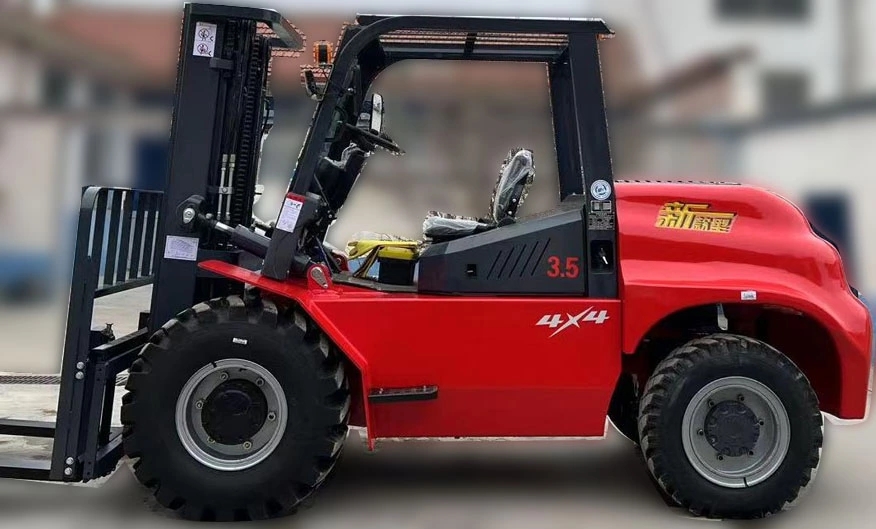
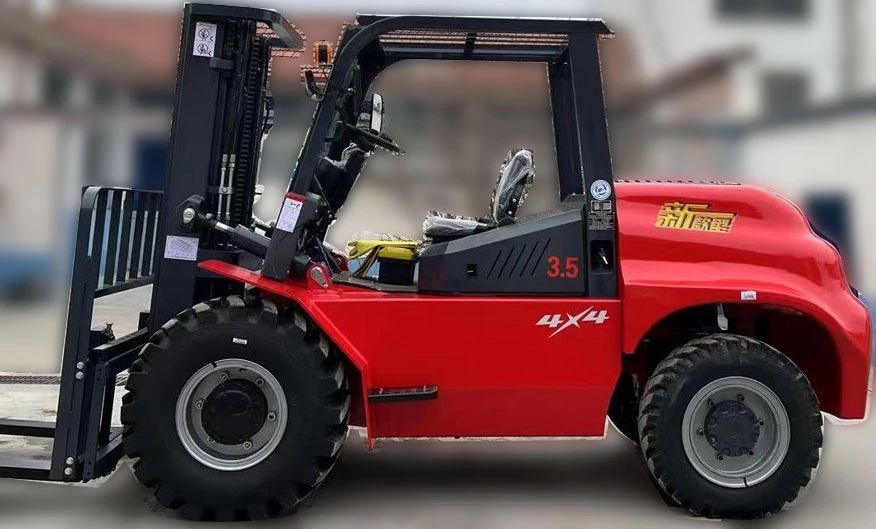
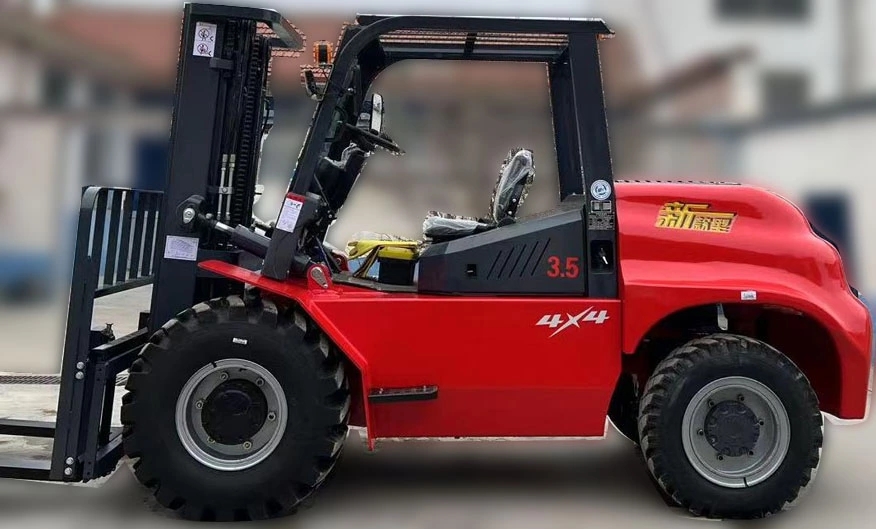
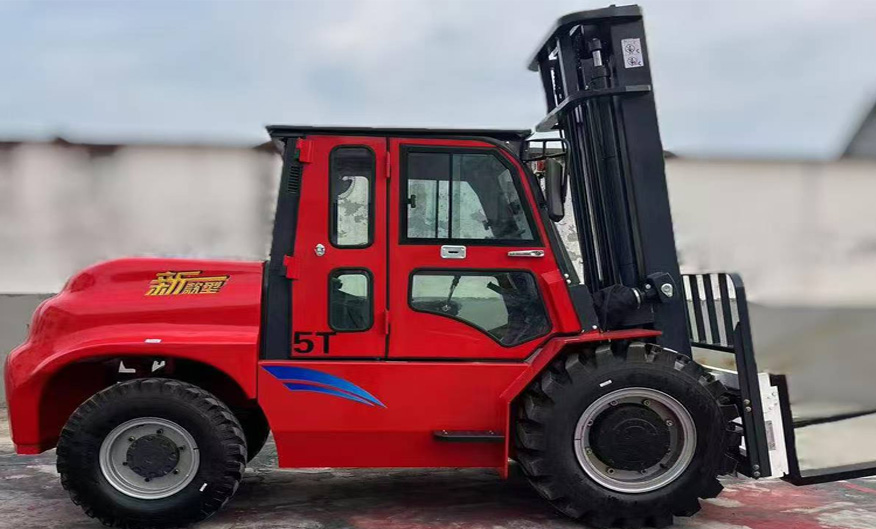
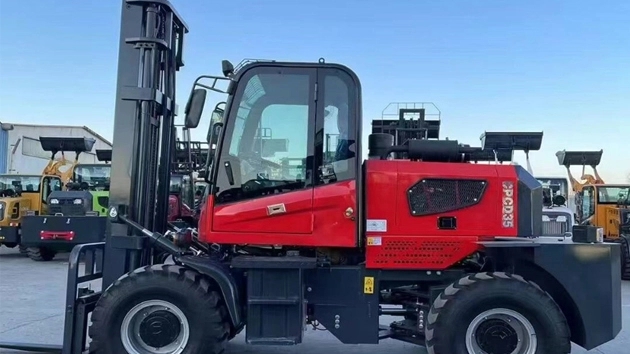
An off-road forklift is engineered for challenging terrains like construction sites, mining operations, or agricultural fields, featuring enhanced durability, larger tires, and robust engines. Unlike standard forklifts designed for smooth warehouse floors, these machines handle uneven ground, mud, and debris with ease. The key distinction lies in their rugged build and adaptability to harsh conditions, making them indispensable for outdoor logistics.
Where are off-road forklifts most commonly used?
These versatile machines thrive in industries requiring heavy lifting in unpredictable environments. For instance, in construction, an off-road forklift moves materials across rough landscapes, while in forestry, it transports logs over uneven terrain. Mining operations rely on them for shifting equipment and ore, thanks to their stability and power. Essentially, any sector dealing with outdoor, non-paved areas benefits from deploying an off-road forklift.
What technological advancements are shaping modern off-road forklifts?
Recent innovations include hybrid engines for fuel efficiency, advanced suspension systems for smoother rides, and IoT integration for real-time monitoring. For example, some models now feature GPS tracking and automated load management, enhancing safety and productivity. These upgrades ensure that the off-road forklift remains a critical asset, evolving to meet sustainability and efficiency demands in industries like logistics and infrastructure development.
How do operators ensure safety when using an off-road forklift?
Safety protocols involve rigorous training on handling uneven surfaces, regular maintenance checks for tire integrity and brake systems, and using attachments like stabilizers. Operators must assess terrain risks, such as slopes or loose soil, to prevent accidents. Additionally, modern off-road forklift designs incorporate roll-over protection and enhanced visibility features, prioritizing operator safety in dynamic environments.
What future trends might impact the off-road forklift Market?
Expect a shift toward electrification and autonomy, with electric off-road forklifts reducing carbon footprints and self-driving capabilities improving precision in remote areas. Industry reports predict a 15% growth in demand by 2030, driven by infrastructure projects and automation. As technology advances, the off-road forklift will continue to adapt, offering smarter, greener solutions for global industrial challenges.