The Hidden Impact of Overall Weight in Small Loader Performance
2025-08-10 04:15:26
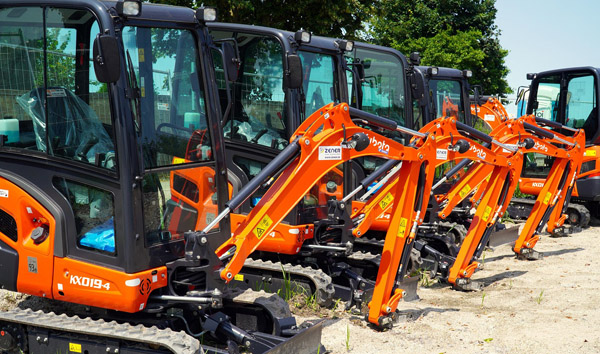
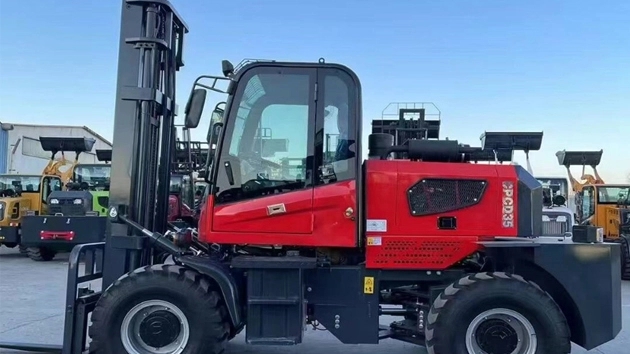
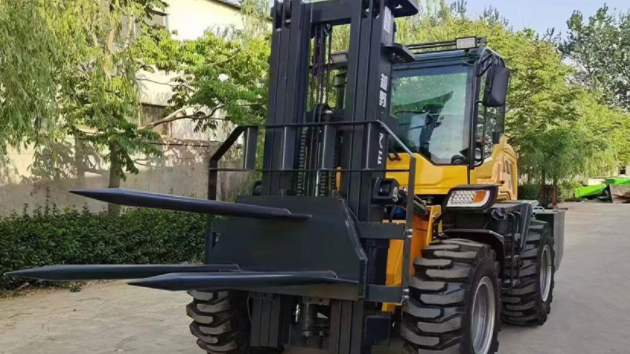
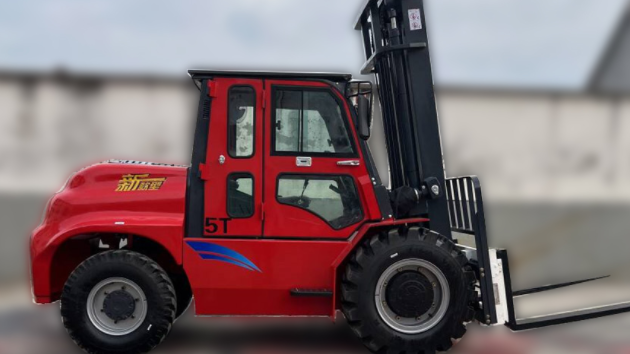
The overall weight of small loaders is a critical yet often overlooked factor in equipment selection. While compact loaders are prized for their maneuverability and versatility, their weight directly impacts performance in ways that extend beyond simple transport logistics. This report examines the relationship between overall weight and key operational metrics, including fuel efficiency, stability, and long-term maintenance costs.
Small loaders, typically ranging from 1 to 4 tons in overall weight, are essential in tight workspaces where larger machinery cannot operate. However, the overall weight of these machines plays a pivotal role in their functionality. Heavier models provide better traction and stability when lifting heavy loads, reducing the risk of tipping. Conversely, lighter models excel in fuel efficiency and ease of transportation but may struggle with balance under heavy loads. Industry data shows that a 10% increase in overall weight can improve lifting stability by up to 15%, though at the cost of higher fuel consumption.
Fuel efficiency is another area where the overall weight of small loaders makes a significant difference. Lighter machines consume less fuel, making them ideal for long-duration tasks where refueling is inconvenient. However, their reduced weight can lead to faster tire wear when operating on rough terrain. A 2023 study by the Construction Equipment Association found that loaders under 2.5 tons in overall weight averaged 12% better fuel economy than their heavier counterparts but required tire replacements 20% more frequently.
Maintenance costs are also influenced by the overall weight of small loaders. Heavier models exert more stress on hydraulic systems and transmissions, leading to more frequent part replacements. On the other hand, lighter machines may experience structural fatigue over time if pushed beyond their weight-rated capacities. Industry benchmarks suggest that operators should carefully match the overall weight of their loaders to the intended workload to optimize longevity and minimize downtime.
In conclusion, the overall weight of small loaders is a balancing act between stability, efficiency, and cost. Selecting the right weight class depends on specific operational needs, terrain conditions, and long-term financial considerations. By understanding these trade-offs, businesses can maximize productivity while minimizing unnecessary expenses.