Navigating the Global Demand for Rough Terrain Forklifts: Export Trends and Market Insights
2025-08-11 03:40:32
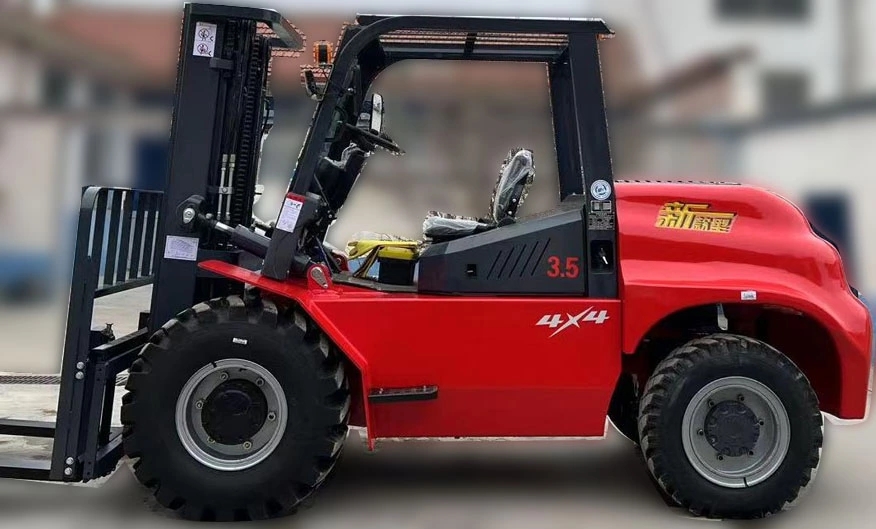
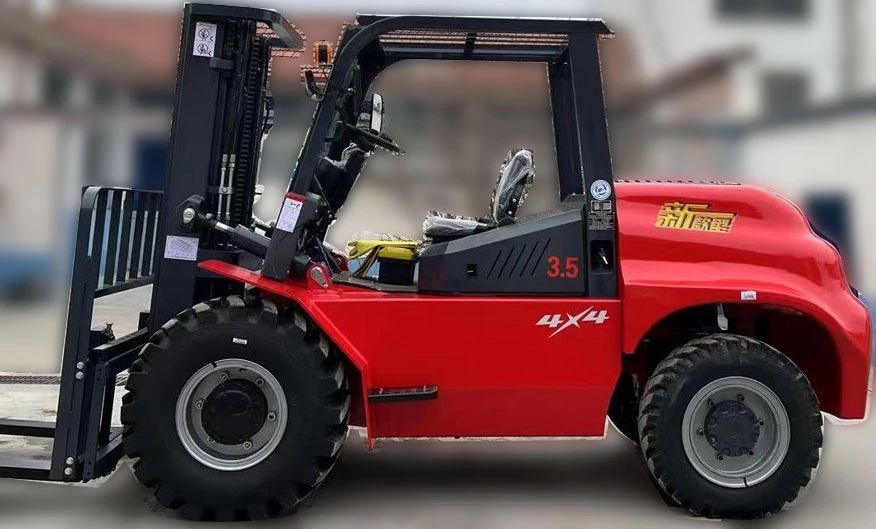
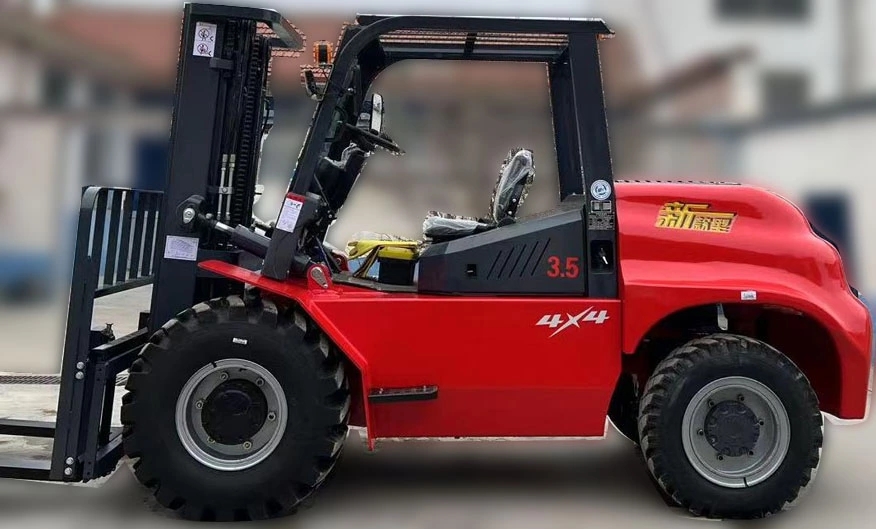
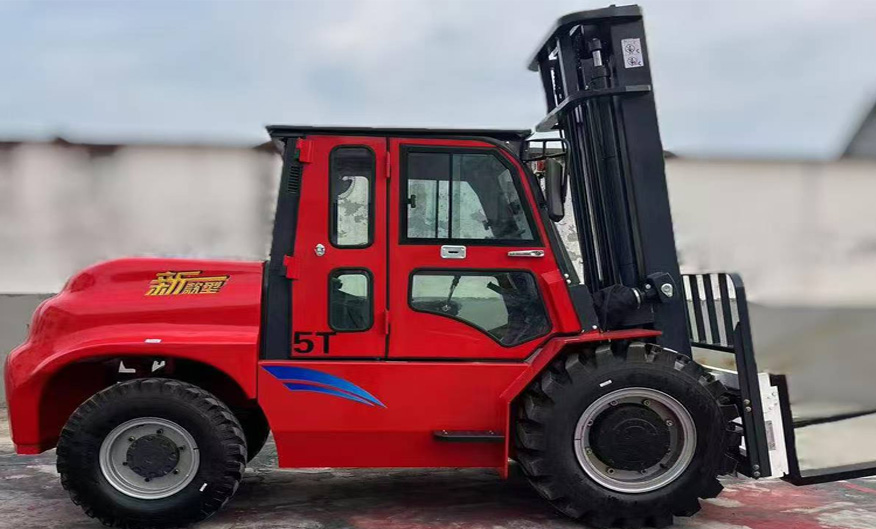
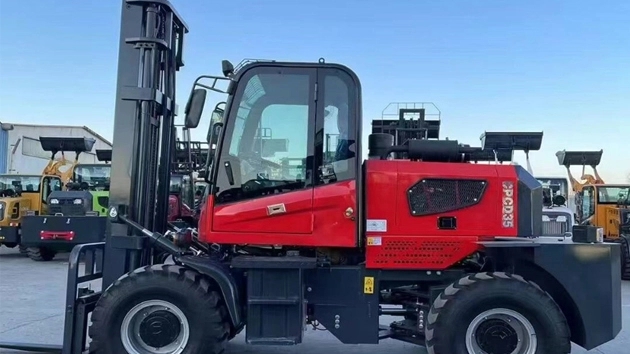
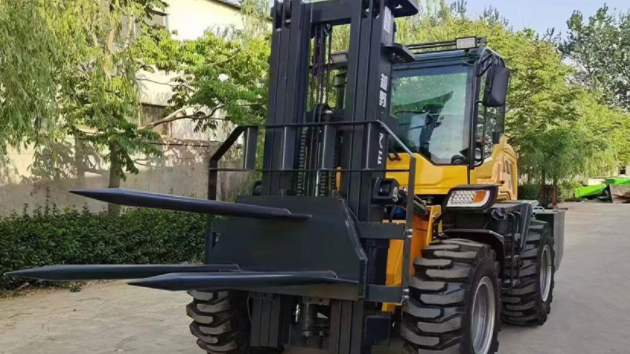
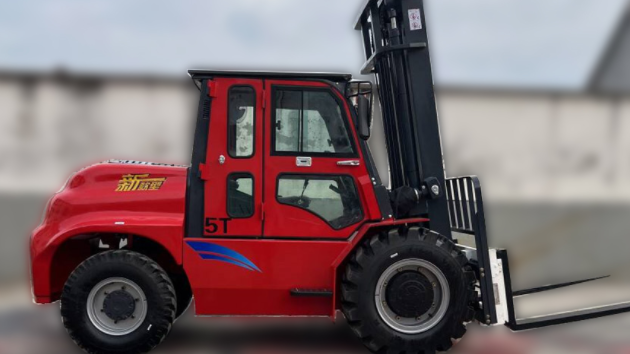
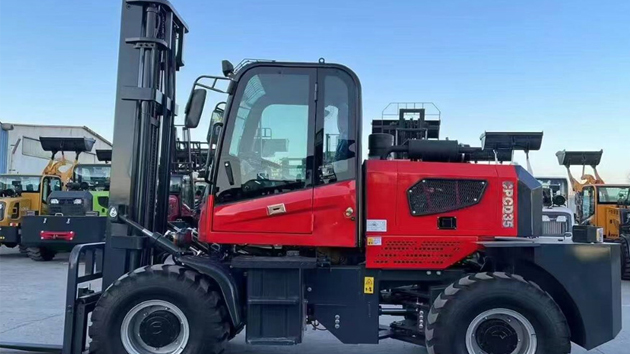
The demand for Rough Terrain Forklifts for export has surged in recent years, particularly in emerging economies where infrastructure development is accelerating. These specialized machines are designed to operate efficiently on uneven surfaces, making them indispensable in construction sites, mining operations, and agricultural fields. Manufacturers are increasingly focusing on enhancing durability, fuel efficiency, and load capacity to meet international standards and customer expectations.
One of the primary drivers of the rough terrain forklift export Market is the rapid urbanization in regions like Southeast Asia, Africa, and Latin America. Governments and private enterprises are investing heavily in large-scale projects, necessitating robust material-handling solutions. Exporters are capitalizing on this trend by offering customized rough terrain forklifts equipped with advanced features such as all-wheel drive, reinforced chassis, and high-torque engines. These adaptations ensure optimal performance in challenging environments, further boosting their appeal in international markets.
Technological innovation is another critical factor influencing the export of rough terrain forklifts. Leading manufacturers are integrating telematics, automated load-sensing systems, and emission-compliant engines to align with global environmental regulations. For instance, the European Union’s Stage V emission standards have prompted exporters to develop cleaner, more efficient models. Additionally, the adoption of hybrid and electric rough terrain forklifts is gaining traction, particularly in markets with stringent sustainability mandates.
Competition in the rough terrain forklift export sector is intensifying, with key players leveraging strategic partnerships and localized production to gain a competitive edge. Companies are establishing assembly plants in high-demand regions to reduce logistics costs and improve after-sales support. Furthermore, exporters are emphasizing certifications such as ISO and CE markings to enhance credibility and facilitate smoother cross-border transactions.
In conclusion, the rough terrain forklift for export market is poised for sustained growth, fueled by infrastructure development, technological advancements, and evolving regulatory frameworks. Exporters must prioritize innovation, compliance, and customer-centric solutions to maintain a strong foothold in this dynamic industry. As global demand continues to rise, the ability to deliver reliable, high-performance rough terrain forklifts will be a decisive factor in capturing market share.