The Evolution of Hydraulic Rough Terrain Forklifts in Modern Industry
2025-08-19 03:10:28
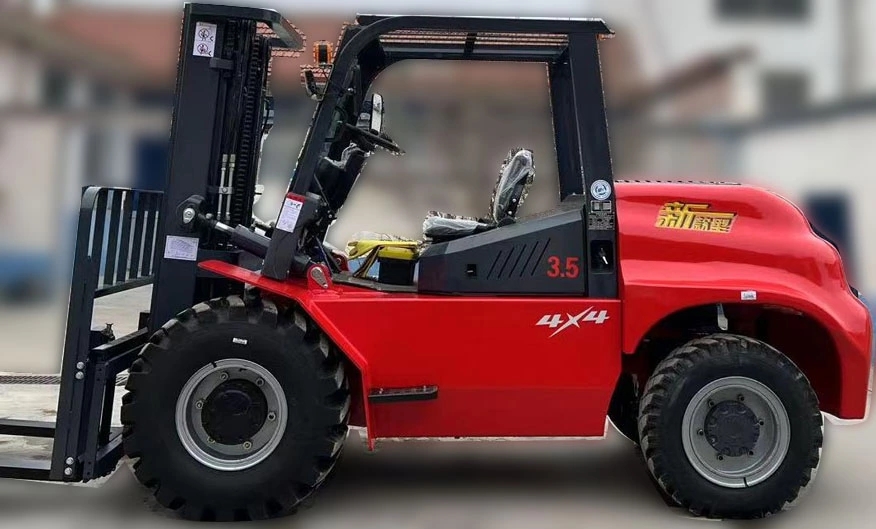
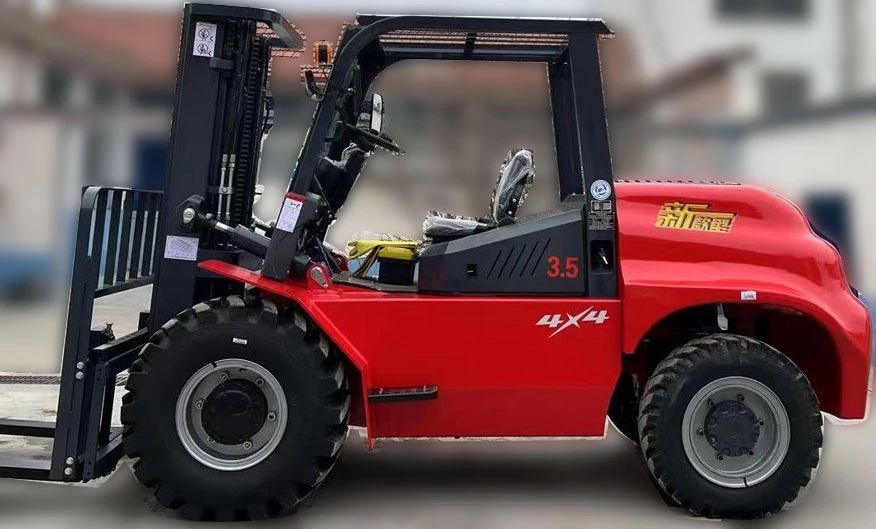
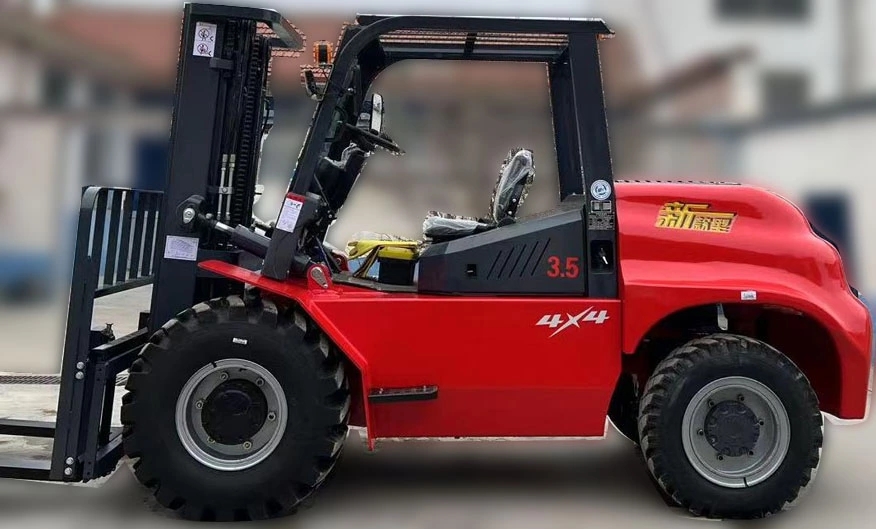
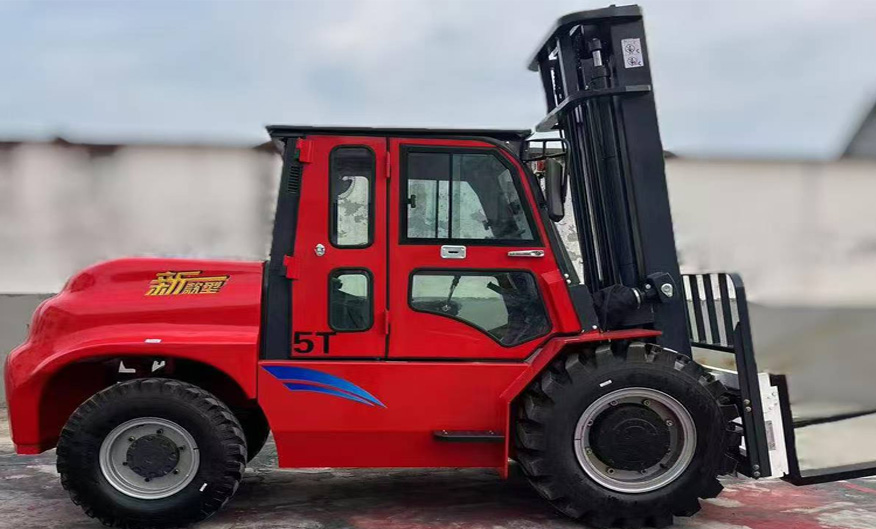
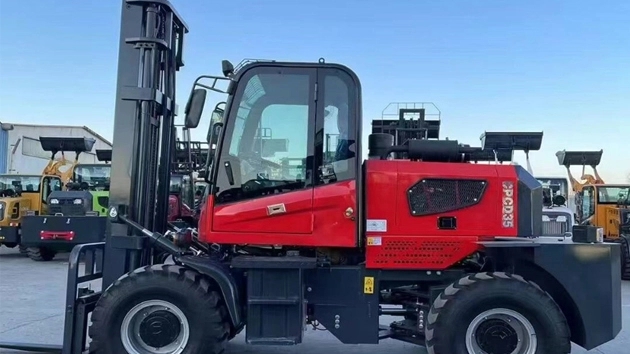
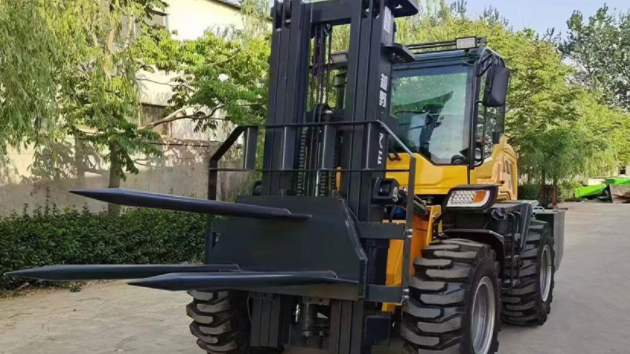
Hydraulic Rough Terrain Forklifts have revolutionized material handling in challenging environments, offering unparalleled stability and lifting capacity. This report examines their technological advancements, operational benefits, and industry applications, emphasizing their role in construction, agriculture, and logistics. Content Hydraulic rough terrain forklifts are engineered to navigate uneven surfaces, making them indispensable in industries where traditional forklifts falter. Their robust hydraulic systems provide superior lifting power, often exceeding 10,000 lbs, while maintaining stability on slopes and rough ground. Unlike standard forklifts, these machines feature large, pneumatic tires and reinforced chassis designs to withstand harsh conditions.
One of the key advantages of hydraulic rough terrain forklifts is their adaptability. In construction, they efficiently transport heavy materials like steel beams and concrete blocks across job sites. The hydraulic mechanism ensures precise load control, reducing the risk of accidents. Additionally, their ability to operate in muddy or rocky terrain makes them a preferred choice for agricultural applications, where they handle bulk feed, hay bales, and equipment with ease.
Technological advancements have further enhanced the performance of hydraulic rough terrain forklifts. Modern models incorporate load-sensing hydraulics, which optimize power distribution based on real-time demands, improving fuel efficiency. Telematics systems enable remote monitoring, allowing operators to track usage patterns and schedule maintenance proactively. These innovations have solidified their position as a cornerstone in logistics, particularly in off-road warehousing and port operations.
Despite their benefits, hydraulic rough terrain forklifts require specialized training due to their complex controls and high torque output. Operators must understand load dynamics and terrain assessment to prevent tip-overs. Regular maintenance of hydraulic components, such as cylinders and hoses, is critical to avoid downtime. Industry data indicates that proper upkeep can extend the lifespan of these machines by up to 30%, underscoring the importance of adherence to service protocols.
Looking ahead, the demand for hydraulic rough terrain forklifts is projected to grow, driven by infrastructure development and automation trends. Manufacturers are exploring hybrid and electric variants to meet sustainability goals without compromising power. As industries continue to push the boundaries of efficiency, these machines will remain vital in overcoming the challenges of rugged terrain.
In conclusion, hydraulic rough terrain forklifts are a testament to engineering ingenuity, combining power, durability, and versatility. Their impact spans multiple sectors, and ongoing innovations promise to further elevate their capabilities. For businesses operating in demanding environments, investing in these machines is not just an option—it’s a necessity.