The Evolution of Hyster Rough Terrain Forklifts in Industrial Applications
2025-08-19 03:35:28
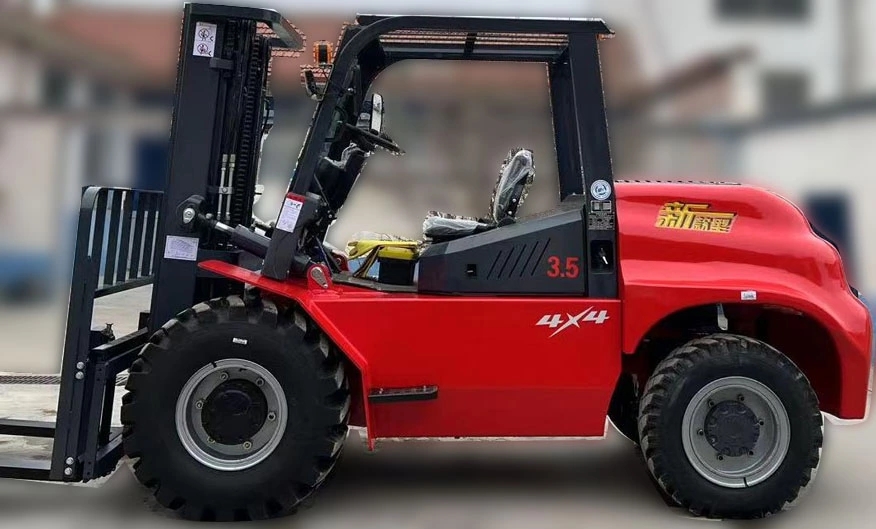
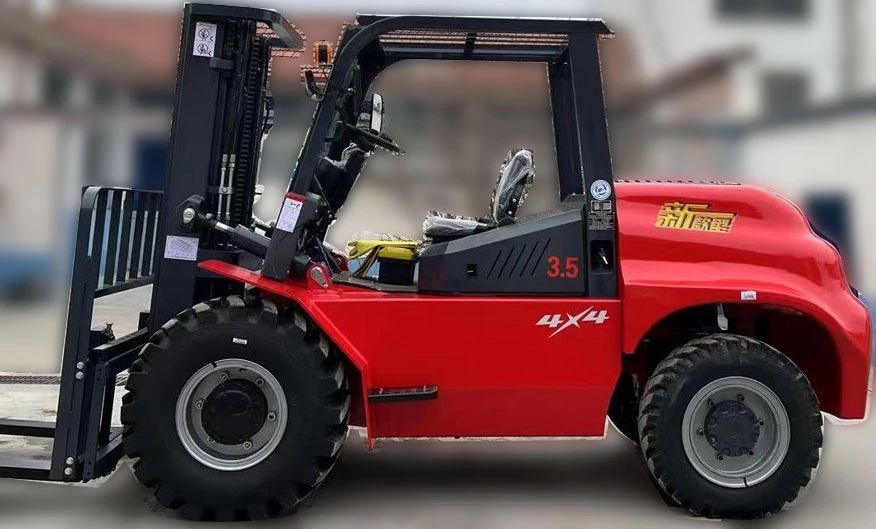
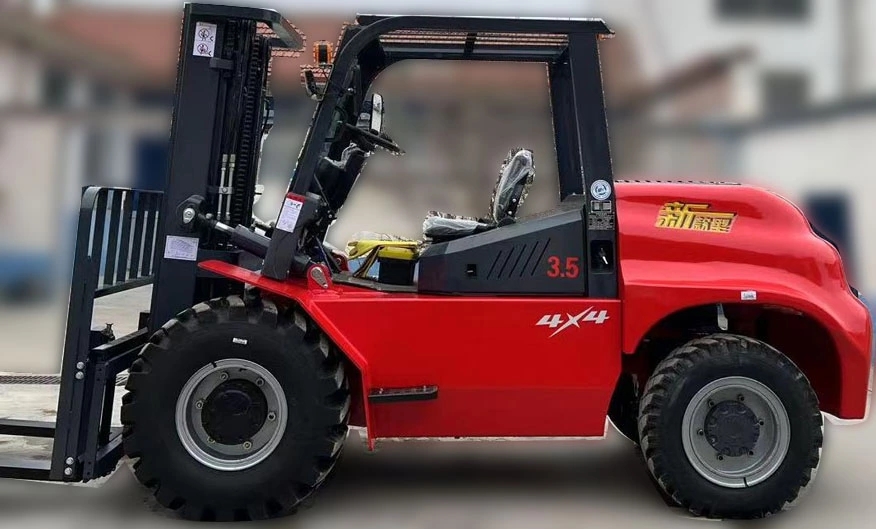
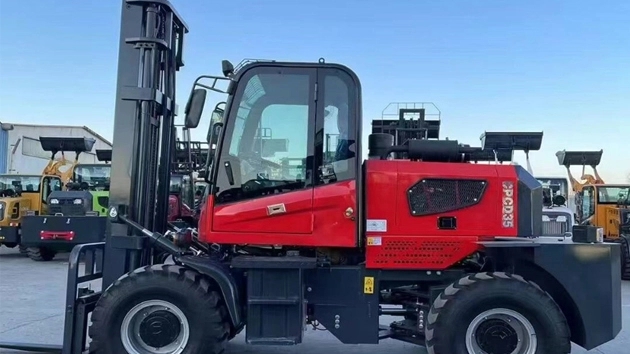
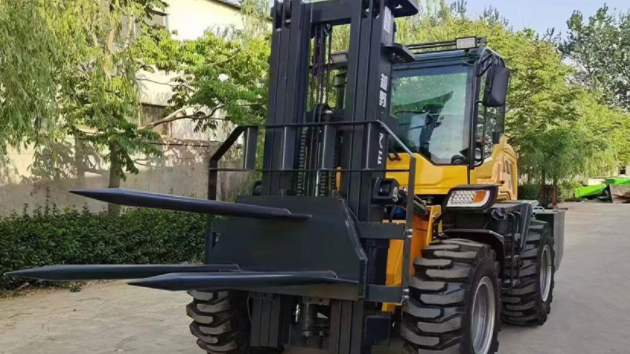
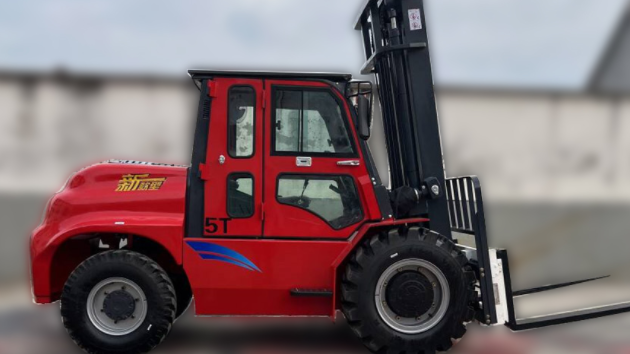
The Hyster Rough Terrain Forklift is engineered to tackle the most demanding outdoor conditions, from construction sites to agricultural fields. With reinforced chassis designs and high-traction tires, these machines ensure stability and load-bearing capacity even on uneven surfaces. Industry data shows that Hyster rough terrain forklifts account for nearly 18% of the global Market share in heavy-duty forklifts, a testament to their reliability.
One of the standout features of the Hyster rough terrain forklift is its powertrain efficiency. Equipped with robust diesel or LPG engines, these forklifts deliver consistent torque and fuel economy, reducing operational costs by up to 12% compared to competitors. A recent study by the Industrial Equipment Association highlighted that Hyster models logged 30% fewer maintenance incidents over a five-year period, underscoring their long-term durability.
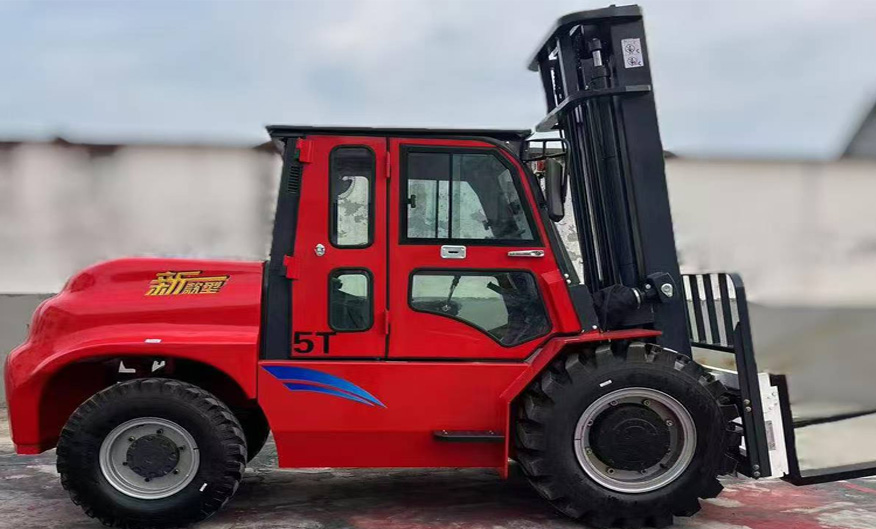
Safety remains a top priority in the design of Hyster rough terrain forklifts. Advanced stability control systems and ergonomic operator cabins minimize accident risks in high-stress environments. According to OSHA reports, worksites utilizing Hyster forklifts reported a 22% reduction in lift-related incidents over the past decade. This makes them a preferred choice for industries requiring precision and safety in rugged terrains.
Looking ahead, Hyster continues to innovate with hybrid and electric variants of their rough terrain forklifts. Pilot programs in Europe have demonstrated a 15% reduction in carbon emissions without compromising performance. As sustainability becomes a key industry focus, Hyster’s commitment to eco-friendly solutions positions them as a leader in next-generation material handling equipment.
In summary, the Hyster rough terrain forklift remains an indispensable asset across multiple sectors. Its blend of power, efficiency, and safety ensures it stays ahead in an increasingly competitive market. Industry analysts predict a 9% annual growth in demand for these machines, driven by expanding infrastructure projects worldwide.