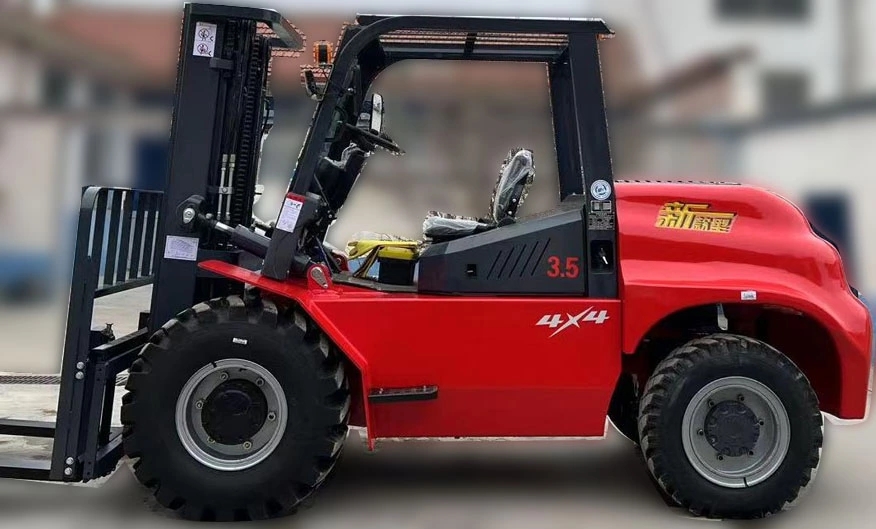
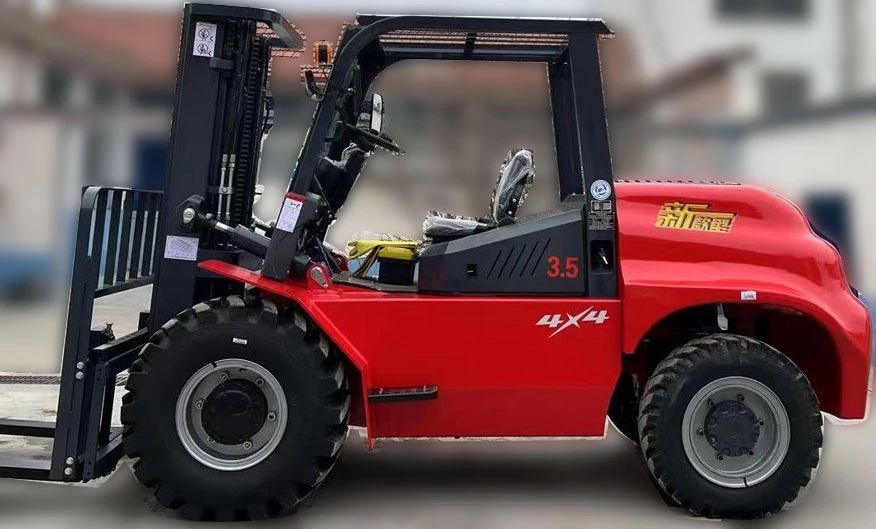
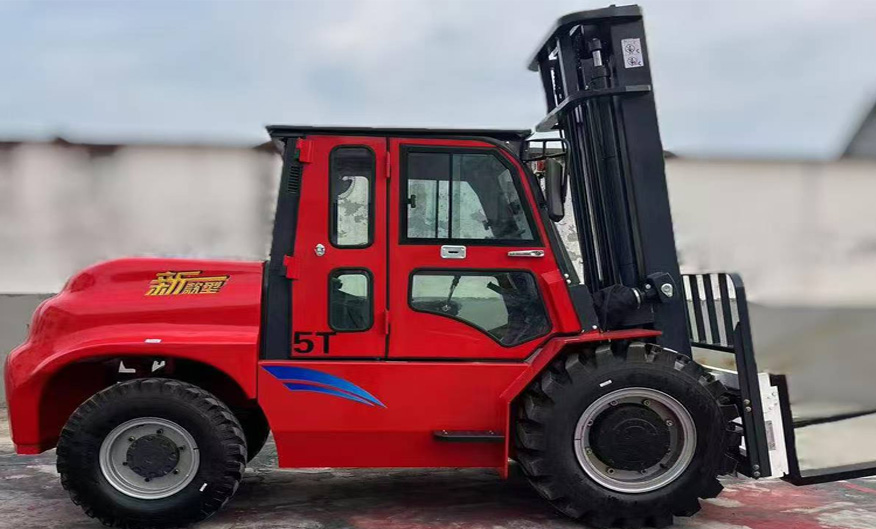
Revolutionizing Material Handling: The Evolution of Mine Site Heavy-Duty 4WD Off-Road Forklifts
2025-08-20 05:15:30
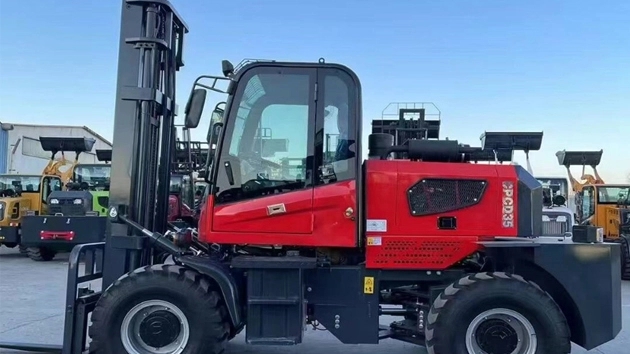
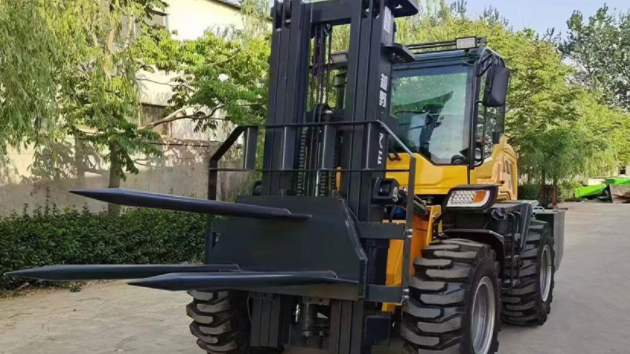
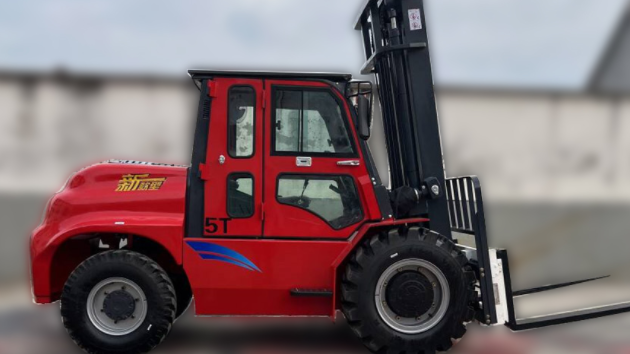
The integration of heavy-duty 4WD off-road forklifts into mining operations has transformed material handling logistics in harsh terrains. These machines are engineered with reinforced chassis, all-terrain tires, and advanced torque distribution systems to navigate unstable surfaces like gravel slopes and muddy pits. Industry data from the Global Mining Equipment Association (2023) indicates a 17% productivity increase in sites deploying these forklifts, attributed to their ability to transport ore, equipment, and supplies without relying on fixed infrastructure.
A critical feature of mine site heavy-duty 4WD off-road forklifts is their powertrain design, which combines high-torque diesel engines with hydraulic 4WD engagement. This ensures consistent traction under loads exceeding 10 tons, even on inclines up to 30 degrees. For instance, Komatsu’s FX Series reports a 22% reduction in fuel consumption per ton moved due to optimized gear ratios and eco-mode functionalities. The robust framing, often constructed with boron steel, resists corrosion and impact damage from falling debris, a common hazard in mining zones.
Safety protocols mandate that these forklifts incorporate roll-over protection structures (ROPS) and load moment indicators (LMIs). In Australian iron ore mines, operators using CAT’s 4WD off-road models documented a 31% decrease in load-related incidents over five years. Additionally, telematics systems provide real-time diagnostics, alerting maintenance teams to potential failures in drivetrains or hydraulic lifts before they cause downtime.
Environmental adaptability is another hallmark, with sealed components preventing dust and water ingress. Lithium-ion battery variants are emerging, reducing emissions in underground applications. A case study from Chile’s copper mines showed that electric 4WD off-road forklifts lowered operational carbon footprints by 40% compared to traditional models. Future R&D focuses on autonomous navigation, aiming to integrate GPS and AI for unmanned material transport in high-risk areas.