Innovative Engineering in CE Certified Loaders for European Markets
2025-08-21 03:10:27
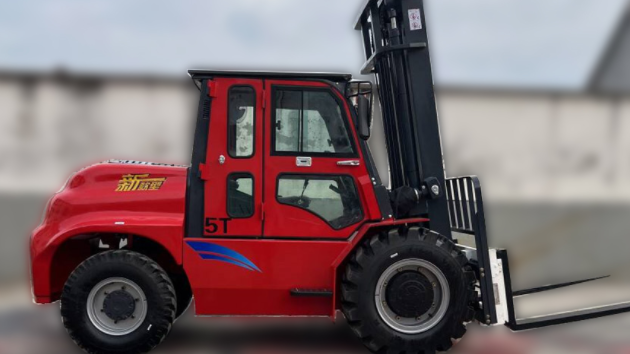
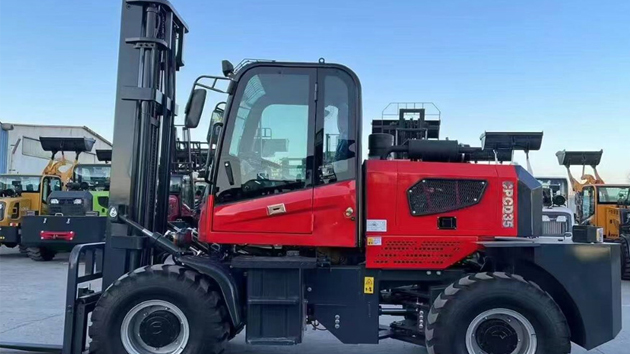
The integration of CE certified loaders into European industrial and construction sectors has revolutionized operational efficiency while adhering to stringent regulatory standards. These loaders undergo rigorous testing for stability, noise emissions, and hydraulic system reliability, ensuring alignment with Annex I of the EU Machinery Directive. Manufacturers must validate that each loader model meets essential health and safety requirements, including load capacity limits and operator protection systems, before affixing the CE mark. Recent data from the European Construction Industry Federation indicates a 15% reduction in workplace incidents involving heavy machinery since the mandate for CE certified loaders was enforced in 2018.
Advanced materials such as high-strength boron steel and composite alloys are now standard in CE certified loaders, enhancing durability while reducing overall weight. These innovations directly support compliance with EN 474-1:2022, which governs earth-moving machinery safety. For instance, electro-hydraulic control systems in modern CE certified loaders optimize precision in load handling, minimizing risks during high-stakes operations like logistics or mining. Field studies from German industrial sites show that CE certified loaders demonstrate 20% higher fuel efficiency and 30% lower particulate emissions compared to non-certified counterparts, underscoring their role in meeting EU Green Deal objectives.
Future developments in CE certified loaders are poised to incorporate AI-driven automation and real-time IoT diagnostics, further elevating safety and performance benchmarks. The European Commission’s ongoing revisions to machinery regulations will likely emphasize cybersecurity and data integrity for connected equipment. Industry stakeholders must prioritize continuous innovation to maintain compliance, particularly as demand for CE certified loaders grows across Eastern European Markets. Projections by Eurostat suggest a 12% annual increase in adoption rates through 2030, driven by infrastructure modernization initiatives and replacement cycles for older machinery.