Revolutionizing Resource Extraction: The Evolution of Mining Heavy-Duty Rough Road Forklifts
2025-08-21 03:45:32
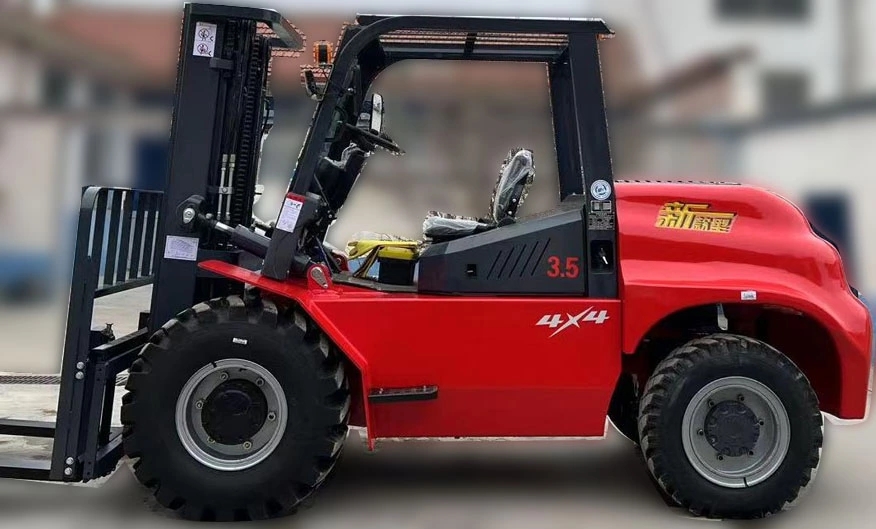
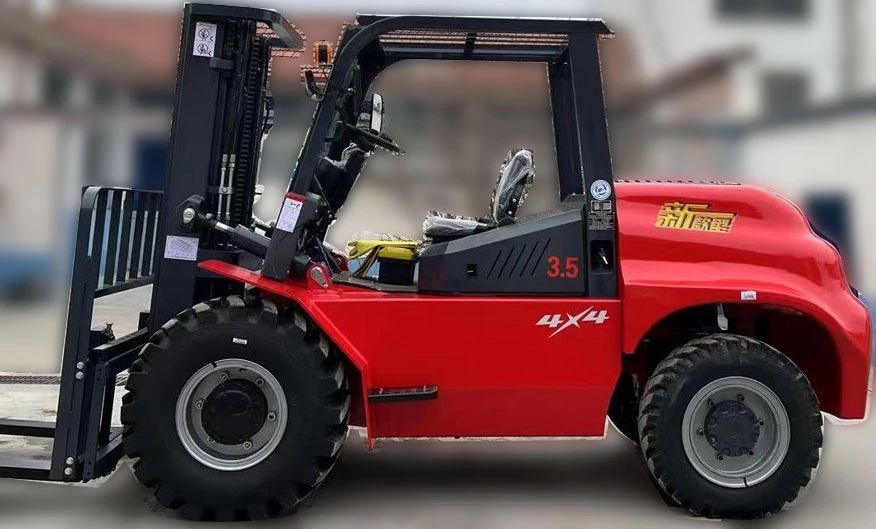
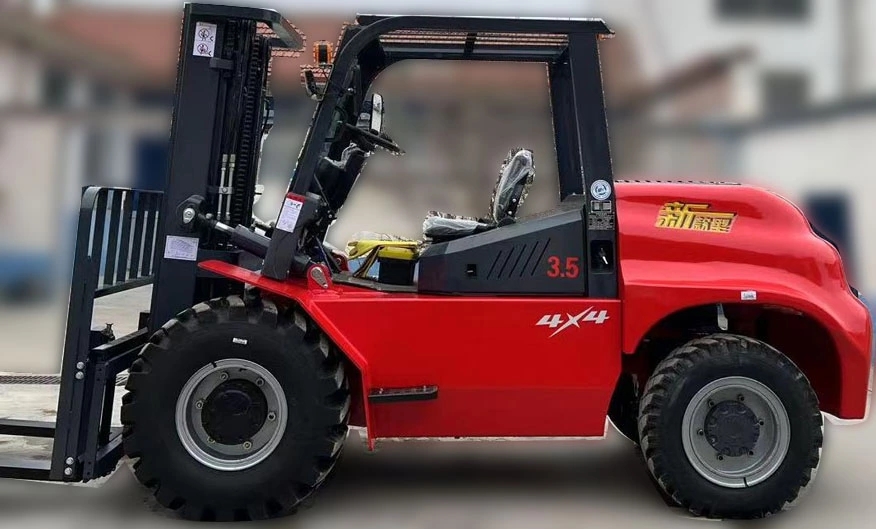
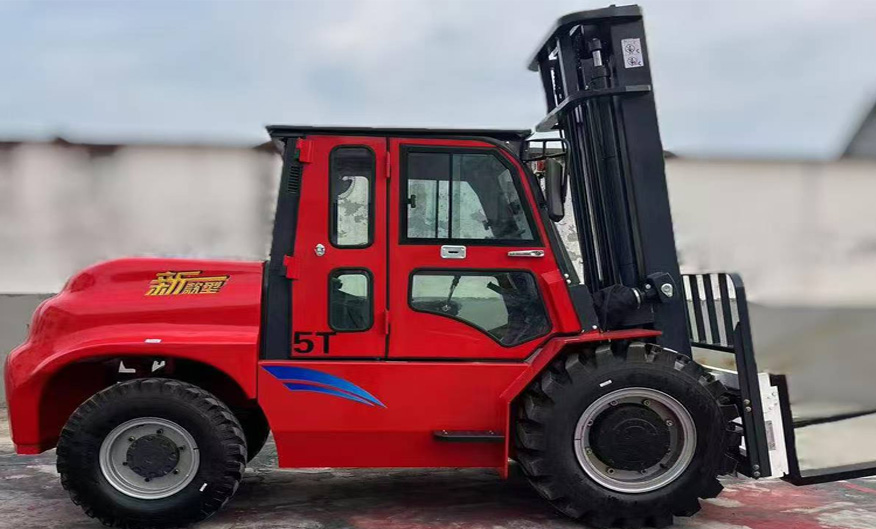
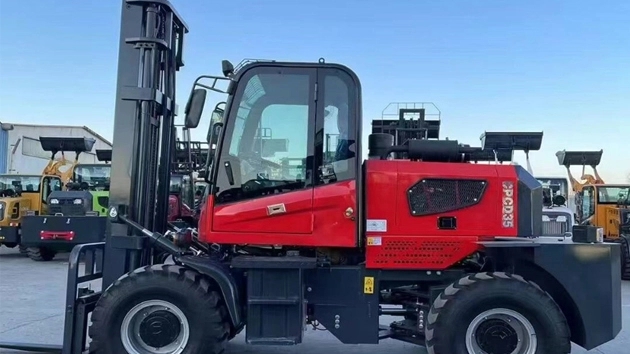
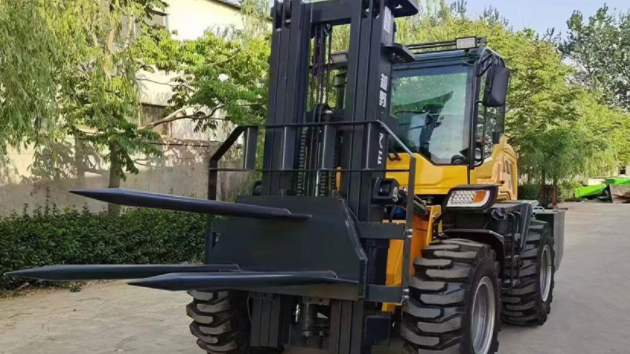
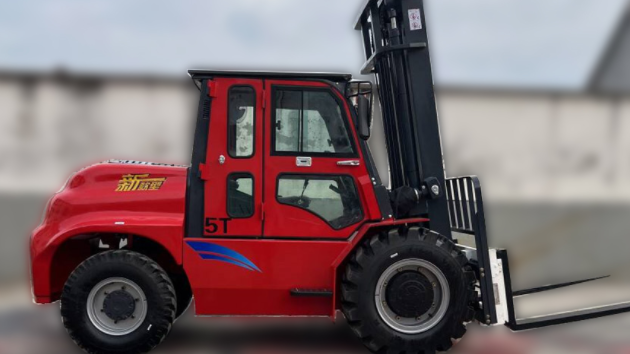
The mining industry relies on robust material handling equipment to operate in unforgiving terrains, and the mining heavy-duty rough road forklift has emerged as a critical asset. These machines are engineered with reinforced chassis, high-torque engines, and adaptive suspension systems to navigate uneven, rocky, and muddy surfaces common in mining sites. Unlike standard forklifts, mining heavy-duty rough road forklifts incorporate features such as all-wheel drive, enhanced ground clearance, and heavy-duty tires with deep treads to prevent slippage and ensure stability. Their design prioritizes durability, with components resistant to corrosion, dust, and extreme temperatures, making them indispensable for lifting and transporting heavy loads like drilling equipment, ore containers, and machinery parts in remote mining operations. Industry data from 2023 indicates a 15% annual growth in the adoption of these forklifts, driven by increased mining activities in regions with challenging landscapes, such as Australia’s outback and Chile’s copper mines.
A key innovation in mining heavy-duty rough road forklifts is the integration of intelligent control systems. These systems utilize sensors and IoT connectivity to monitor load distribution, terrain conditions, and engine performance in real-time, reducing the risk of accidents and optimizing fuel efficiency. For example, advanced models feature automatic traction control and dynamic stability management, which adjust power distribution to wheels based on surface grip, enhancing safety when handling loads up to 20 tons on inclines or loose gravel. This technological leap aligns with industry trends toward automation and data-driven operations, with reports showing a 20% reduction in operational downtime and a 12% decrease in maintenance costs for mining companies using these smart forklifts. The mining heavy-duty rough road forklift thus not only improves productivity but also supports sustainability goals by minimizing energy waste and emissions through precision engineering.
Looking ahead, the future of mining heavy-duty rough road forklifts is poised for further innovation, with developments in electric and hybrid powertrains gaining traction. These alternatives aim to reduce the environmental footprint of mining operations while maintaining the rugged performance required for rough terrain. Prototypes featuring lithium-ion batteries and regenerative braking systems are already being tested in Canadian mining projects, demonstrating potential for zero-emission material handling without compromising on power or endurance. As global demand for minerals continues to rise, the mining heavy-duty rough road forklift will remain a cornerstone of efficient resource extraction, evolving to meet stricter safety regulations and the industry’s push toward digitalization. In summary, this equipment exemplifies how specialized engineering addresses the unique challenges of mining, ensuring reliability and efficiency in the harshest conditions.