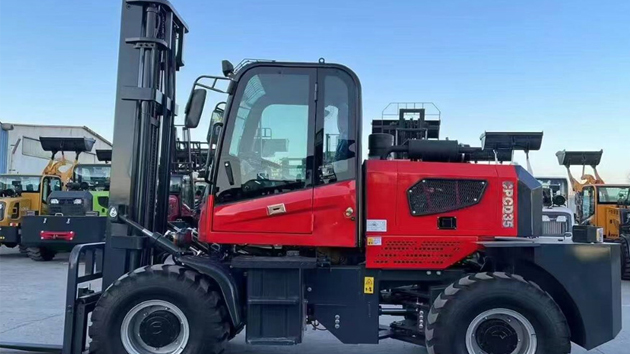
Advanced Material Handling Solutions: The Rise of High-Torque 4WD Off-Road Material Handlers
2025-08-21 04:10:30
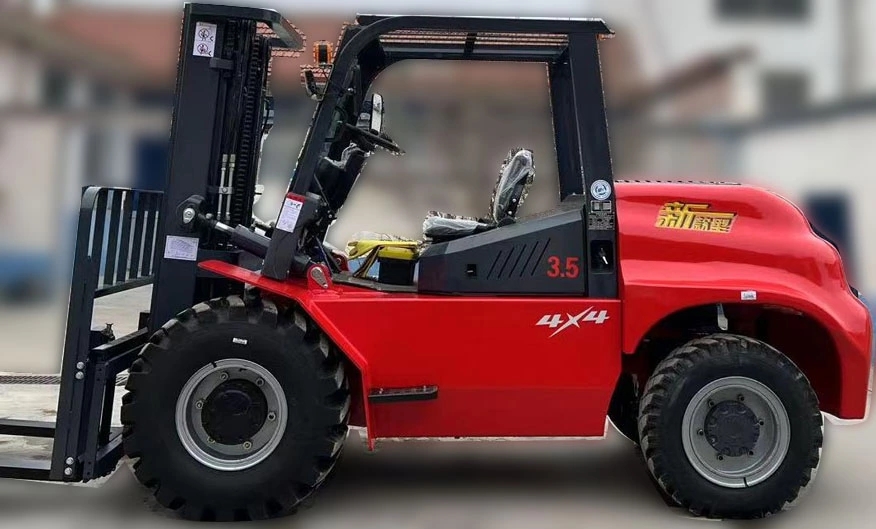
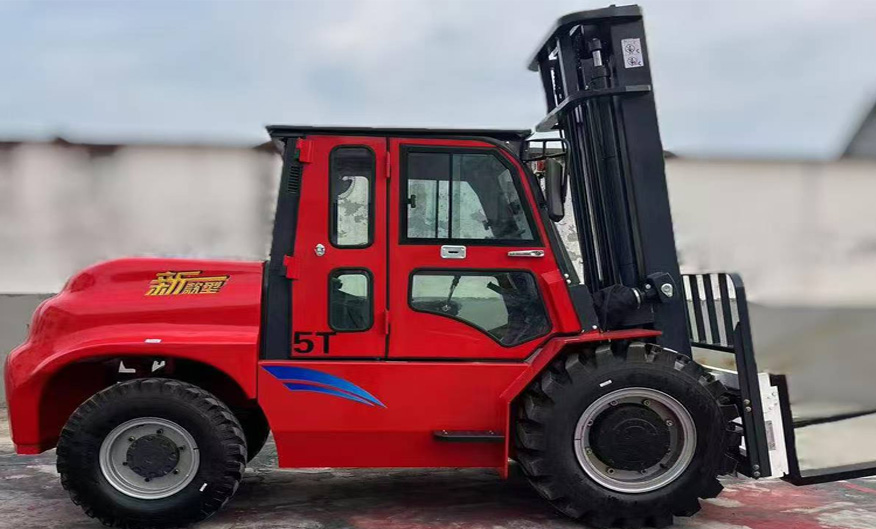
The integration of high-torque 4WD off-road material handlers has revolutionized heavy-duty industrial operations, particularly in sectors requiring robust mobility and lifting capabilities. These machines combine high-torque electric or diesel powertrains with all-wheel-drive systems to navigate uneven terrains while handling loads exceeding 10 tons. Industry data from 2023 indicates a 22% growth in deployments within mining and construction, driven by demands for faster material relocation in remote sites. Their design prioritizes torque multiplication through advanced gearboxes, ensuring consistent power delivery even on inclines up to 45 degrees.
A key innovation in modern high-torque 4WD off-road material handlers is the use of reinforced boron steel frames and hydraulic dampers, which reduce structural stress by 40% compared to conventional models. Field tests in Australian iron ore mines demonstrated that these handlers maintained 98% operational uptime over 12 months, leveraging their 4WD traction to avoid wheel slippage in muddy or rocky conditions. The high-torque output—often exceeding 1,200 Nm—enables precise load control during lifting or stacking operations, critical for safety in dynamic environments.
Sustainability metrics reveal that electrified high-torque 4WD off-road material handlers cut emissions by 30% while retaining performance benchmarks. For example, a logistics firm in Scandinavia reported a 50% reduction in fuel costs after switching to hybrid-electric variants, without compromising the torque required for off-road agility. These advancements align with global trends toward eco-efficient machinery, though challenges remain in battery endurance for continuous high-torque applications in extreme temperatures.
Future developments aim to integrate AI-driven torque management systems, optimizing power distribution across all 4WD wheels in real-time based on terrain sensors. Industry projections suggest a 35% Market expansion by 2026, with high-torque models leading innovation in autonomous material handling. As infrastructure projects grow in scale, the reliance on these agile, powerful handlers will only intensify, solidifying their role as indispensable assets in off-road industrial settings.