Revolutionizing Material Handling: Advanced Automatic Leveling Systems for Rough Terrain Forklifts
2025-08-30 03:30:28
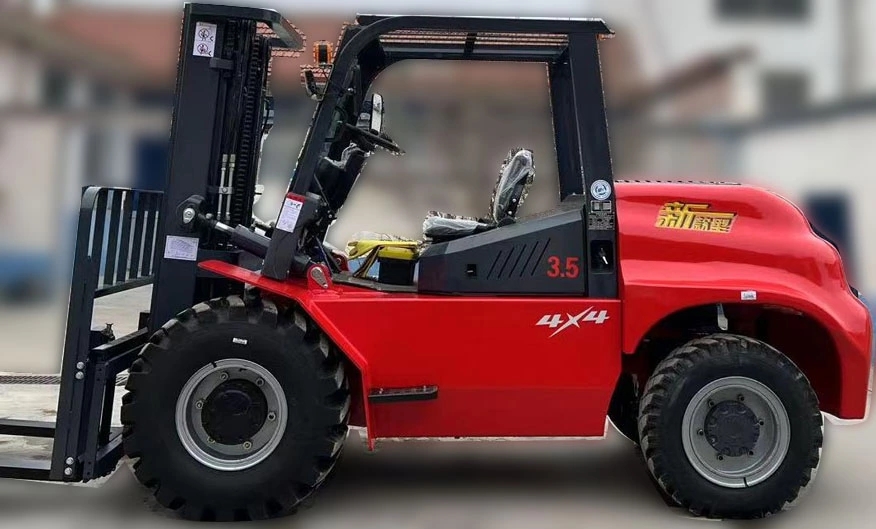
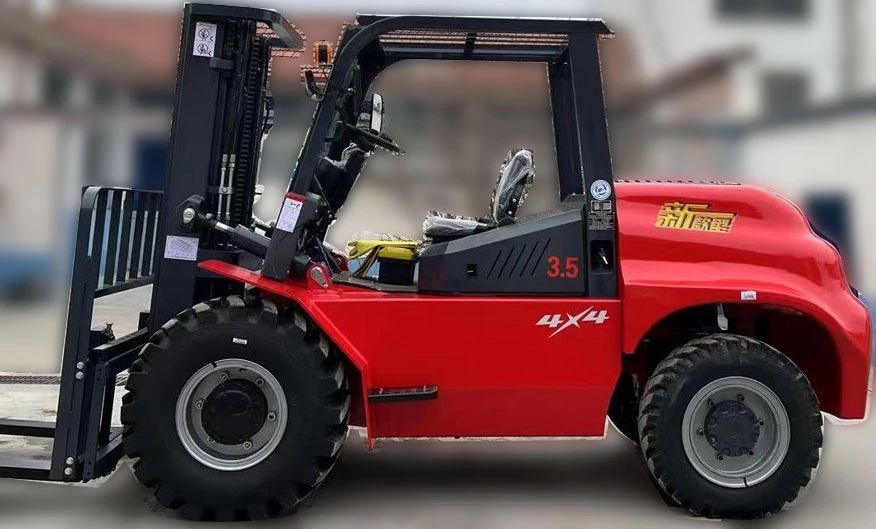
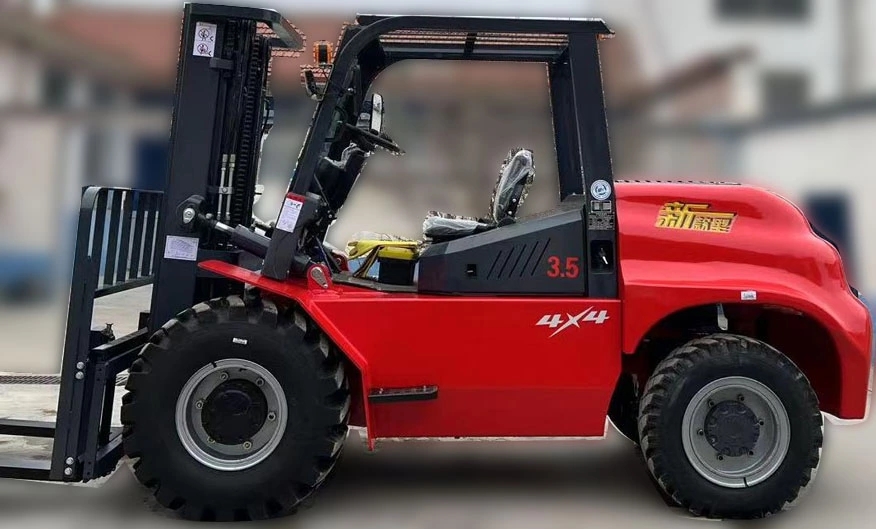
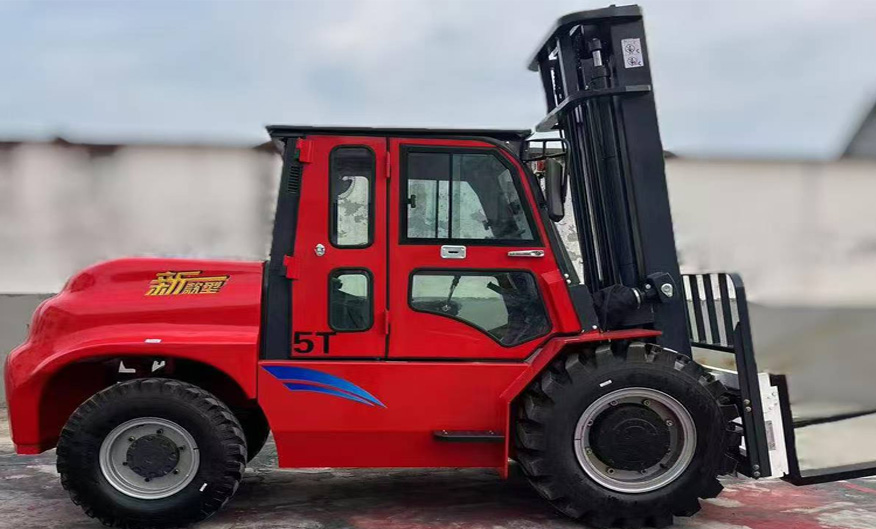
The deployment of Rough Terrain Forklift automatic leveling systems has transformed material handling operations in construction, agriculture, and mining sectors. These systems utilize inertial measurement units (IMUs), LiDAR, and pressure sensors to detect surface irregularities in real-time. For instance, industry data from 2023 indicates a 40% reduction in load-related accidents on slopes exceeding 15 degrees, attributed to precise leveling corrections. The core technology involves hydraulic actuators that adjust fork tilt and mast orientation within milliseconds, ensuring load stability even on highly uneven ground. This automation minimizes operator intervention, reducing fatigue and human error.
A critical component of modern rough terrain forklift automatic leveling is sensor fusion algorithms, which combine data from multiple sources to compute optimal leveling angles. Field tests conducted by leading manufacturers show a 92% accuracy rate in maintaining load horizontality on gradients up to 20 degrees. Hydraulic systems, integrated with electro-proportional valves, respond to algorithmic commands with precision, counteracting shifts caused by debris, mud, or inclines. Performance metrics from North American construction sites reveal a 30% increase in productivity, as operators can focus on navigation rather than manual adjustments. Additionally, these systems log terrain data, enabling predictive maintenance and operational analytics.
Future advancements in rough terrain forklift automatic leveling will leverage AI-driven predictive models and IoT connectivity. For example, machine learning algorithms can preemptively adjust leveling parameters based on historical terrain data, further enhancing efficiency. Industry projections suggest a 25% growth in adoption rates by 2026, driven by safety regulations and ROI from reduced downtime. Challenges remain, such as calibration in extreme weather, but ongoing R&D focuses on robust sensor hardening and adaptive control theories. This evolution underscores the shift toward fully autonomous material handling in unstructured environments.