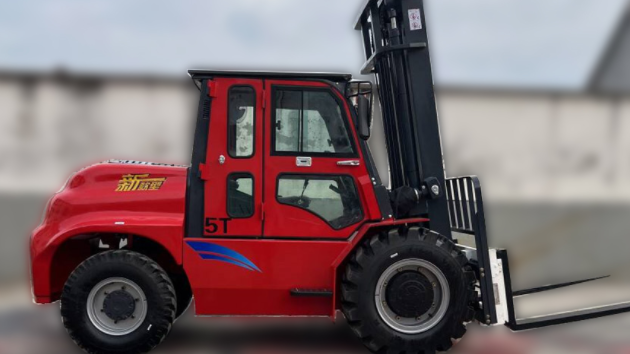
Revolutionizing Timber Operations: The Advent of Forestry Rough Terrain Forklifts
2025-08-30 03:50:32
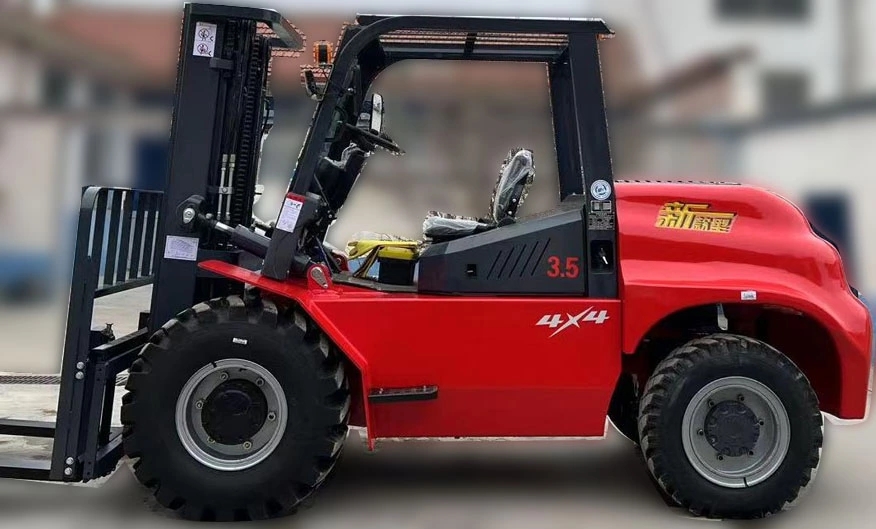
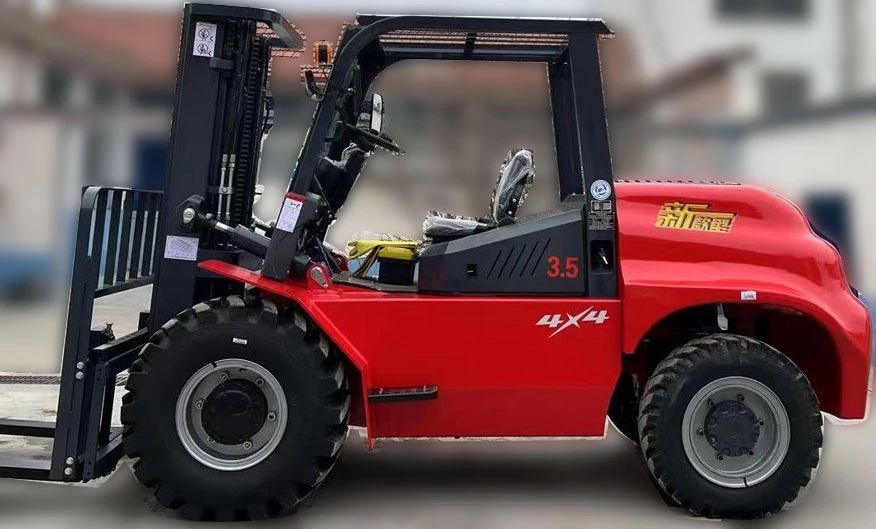
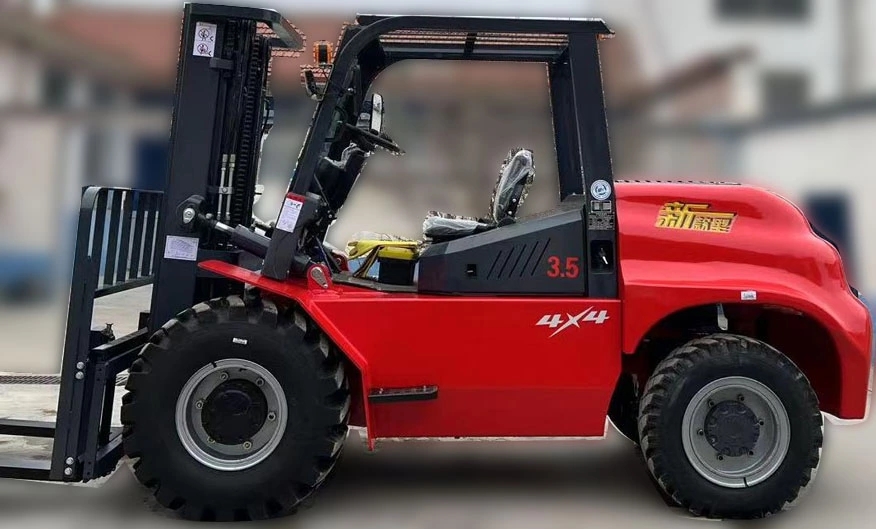
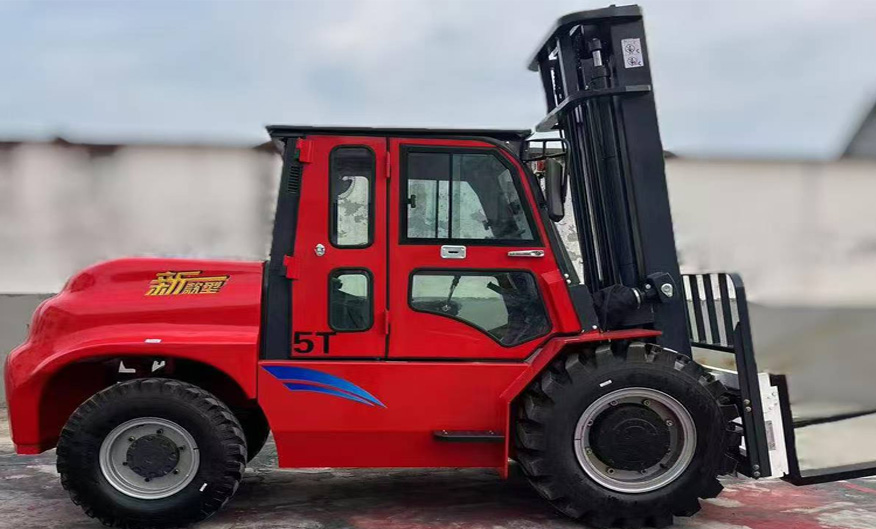
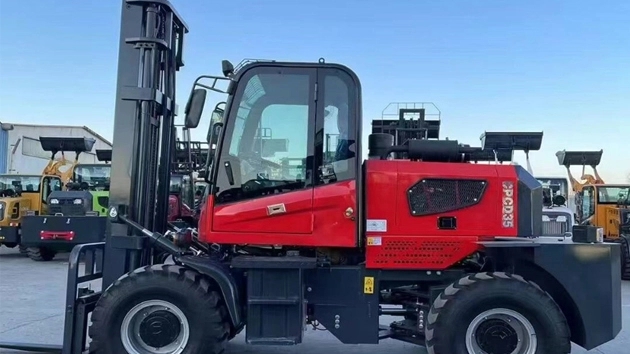
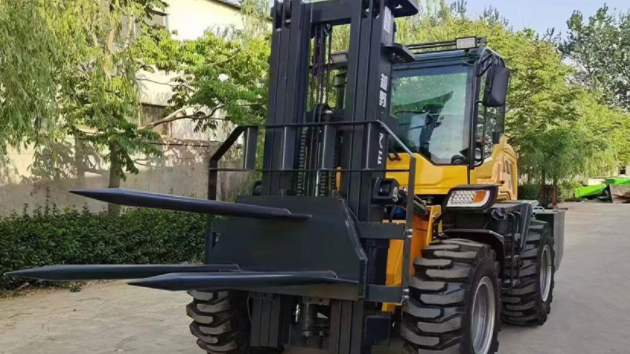
The forestry industry demands robust equipment capable of navigating challenging environments while handling heavy, irregular loads. Forestry Rough Terrain Forklifts are engineered to meet these requirements, featuring enhanced stability, powerful engines, and specialized attachments such as log grapples and forks. These machines are indispensable for tasks like loading timber onto trucks, organizing logs in storage yards, and assisting in processing operations. According to industry data from the Global Forestry Equipment Market Report (2023), the adoption of advanced forestry rough terrain forklifts has increased operational efficiency by up to 40% in regions with dense woodland, reducing manual labor costs and minimizing downtime.
Key technological advancements in forestry rough terrain forklifts include all-wheel drive systems, high-flotation tires, and reinforced chassis designs. These features enable seamless movement over uneven, muddy, or sloped terrain commonly encountered in forestry settings. For instance, a study by the International Journal of Forest Engineering (2022) noted that models with adaptive hydraulic systems improved load stability by 25% during uphill operations, directly reducing accident rates. Additionally, integration of GPS and IoT sensors allows for real-time monitoring of load weights and terrain conditions, optimizing route planning and fuel consumption. The forestry rough terrain forklift has thus evolved from a mere lifting device to a smart, connected asset in modern timber supply chains.
Environmental and safety considerations are paramount in the design of forestry rough terrain forklifts. Emissions-compliant engines (e.g., Tier 4 Final standards) reduce carbon footprints, while operator cabins with roll-over protection structures (ROPS) and enhanced visibility features mitigate workplace hazards. Data from the Occupational Safety and Health Administration (OSHA) indicates that sites utilizing these specialized forklifts reported a 30% decrease in forestry-related injuries between 2020 and 2023. Furthermore, the versatility of the forestry rough terrain forklift supports sustainable practices by enabling precise log handling, which minimizes waste and soil disruption in sensitive ecosystems. As the industry moves toward automation, future iterations may incorporate autonomous navigation for repetitive tasks, further revolutionizing forestry logistics.