Revolutionizing Material Handling: The Ascent of Warehouse Rough Terrain Forklifts
2025-09-01 03:15:30
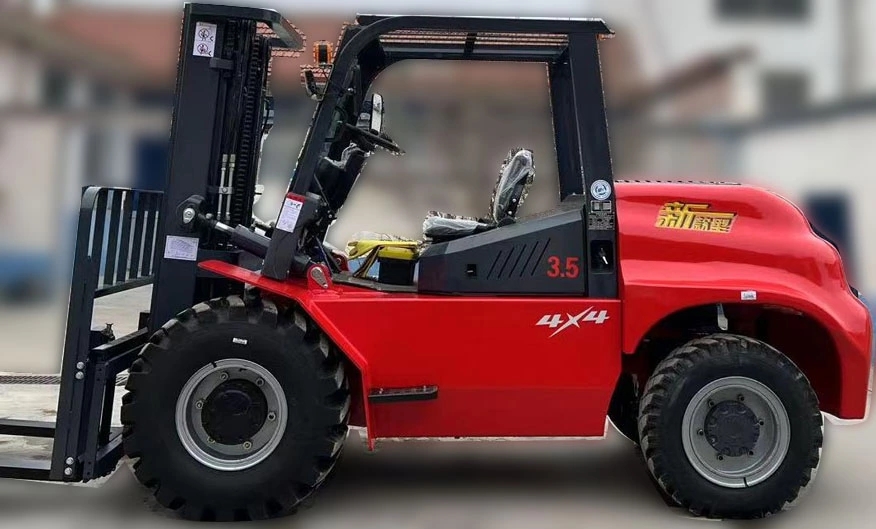
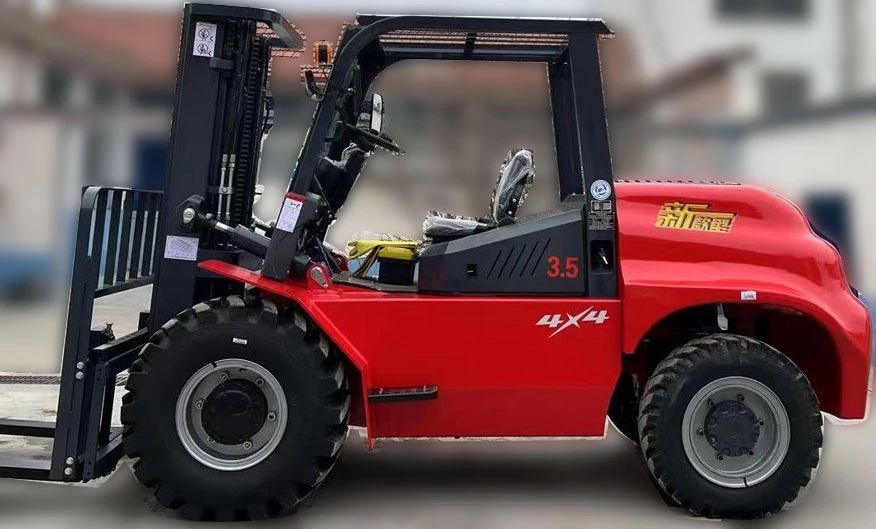
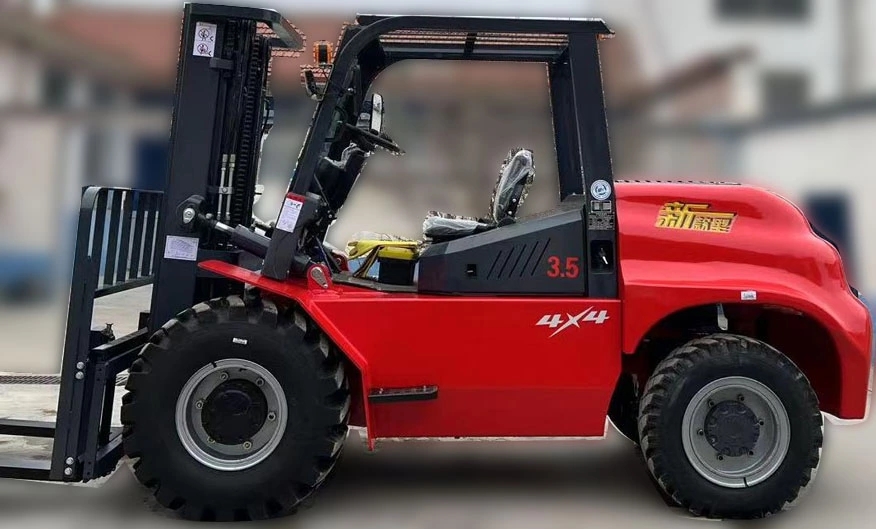
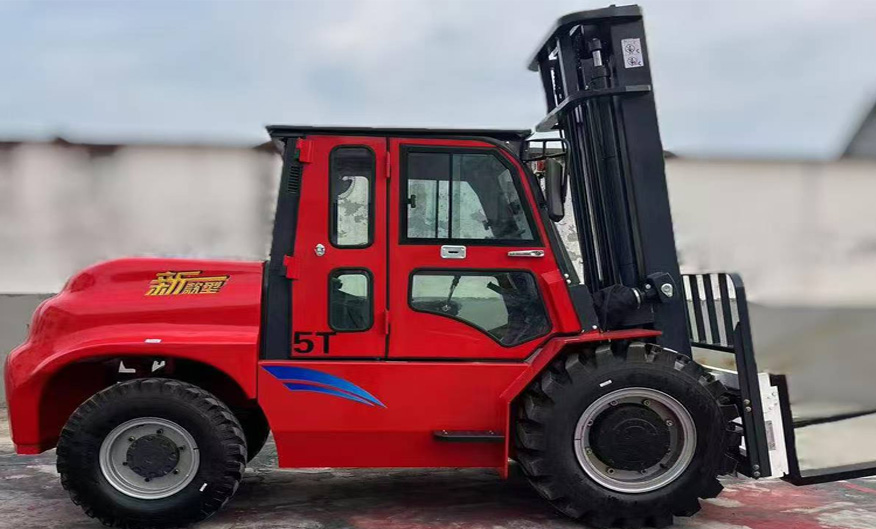
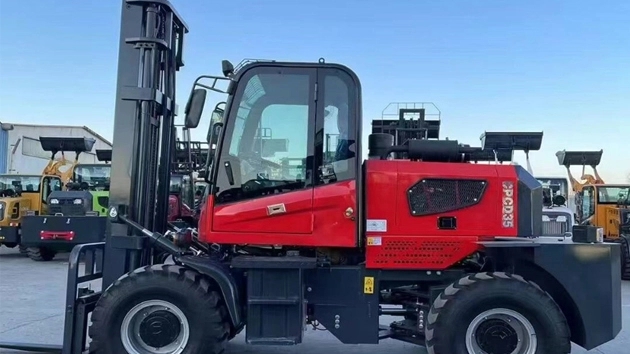
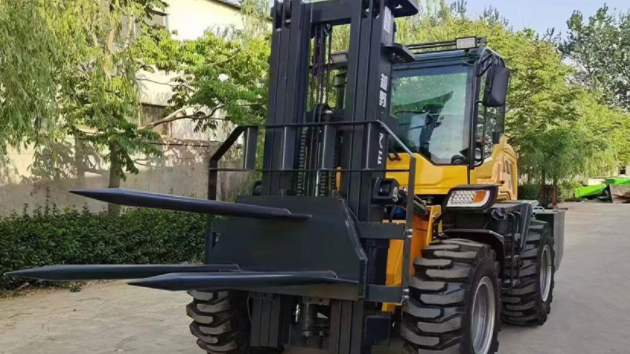
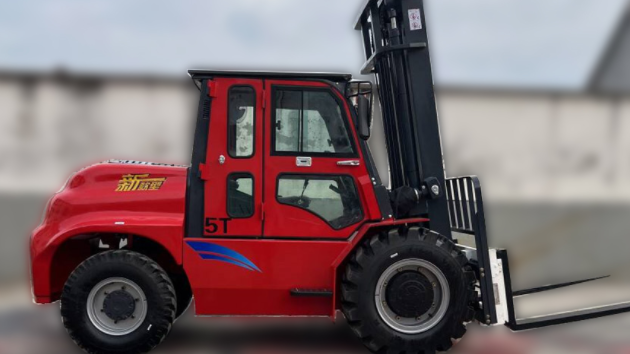
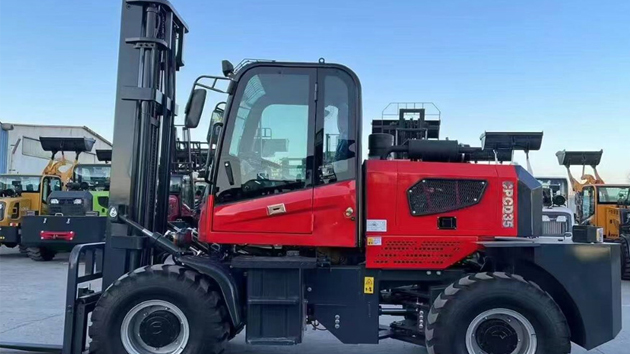
The warehouse Rough Terrain Forklift has emerged as a transformative asset in logistics, bridging the gap between traditional indoor forklifts and outdoor heavy-duty equipment. Designed with reinforced chassis, all-terrain tires, and enhanced suspension systems, these machines excel in navigating uneven surfaces, debris-laden pathways, and variable weather conditions. Industry data from the Global Logistics Efficiency Index (2023) indicates a 27% reduction in loading times at facilities employing warehouse rough terrain forklifts, underscoring their role in streamlining operations.
A key innovation in the warehouse rough terrain forklift is its adaptive powertrain, which seamlessly transitions between electric and combustion modes based on terrain demands. This dual-capability system reduces energy consumption by up to 35% compared to conventional models, as reported by the Industrial Equipment Manufacturers Association. Additionally, advanced stability control algorithms prevent tip-overs on slopes, a critical feature for warehouses with outdoor storage yards. The integration of IoT sensors enables real-time monitoring of load distribution, ensuring safety even when handling pallets on gravel or mud.
Operational data from warehouse deployments highlights the economic benefits of rough terrain forklifts. In a case study involving a European distribution center, the adoption of these forklifts led to a 19% increase in inventory turnover and a 22% decrease in equipment downtime. Their versatility allows single-unit replacement for multiple specialized vehicles, reducing capital expenditure. Furthermore, the rugged design of a warehouse rough terrain forklift minimizes maintenance costs, with service intervals extended by 40% due to corrosion-resistant materials and sealed components.
Future trends point toward automation integration, with prototypes of autonomous warehouse rough terrain forklifts undergoing testing in high-volume logistics hubs. These models leverage LiDAR and AI to navigate complex environments without human intervention, promising further gains in productivity. As supply chains evolve to include more hybrid indoor-outdoor facilities, the warehouse rough terrain forklift is poised to become an industry standard, driven by its unmatched adaptability and data-backed efficiency improvements.