Optimizing 4WD Vehicle Performance on Mine Site Muddy Terrains
2025-09-02 03:30:32
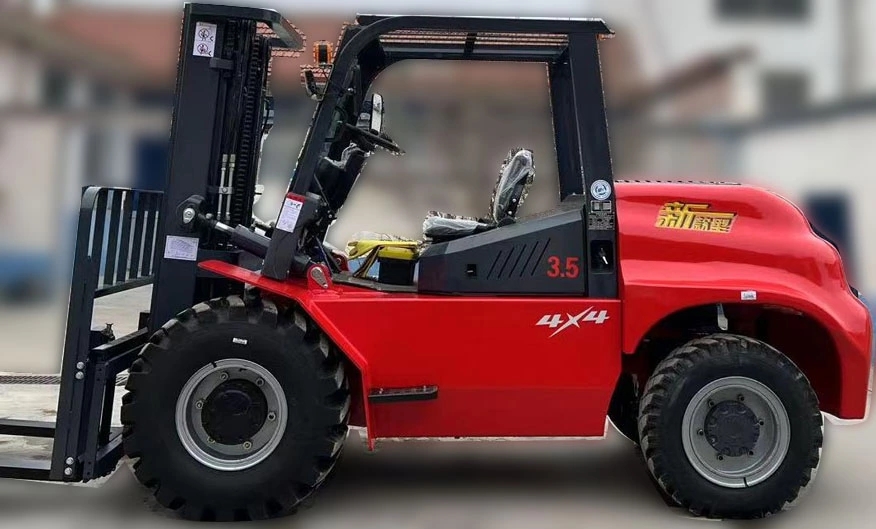
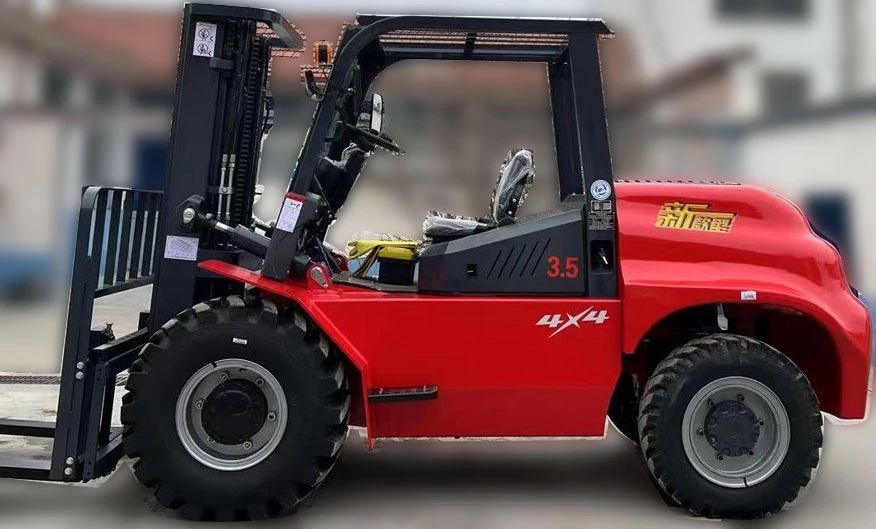
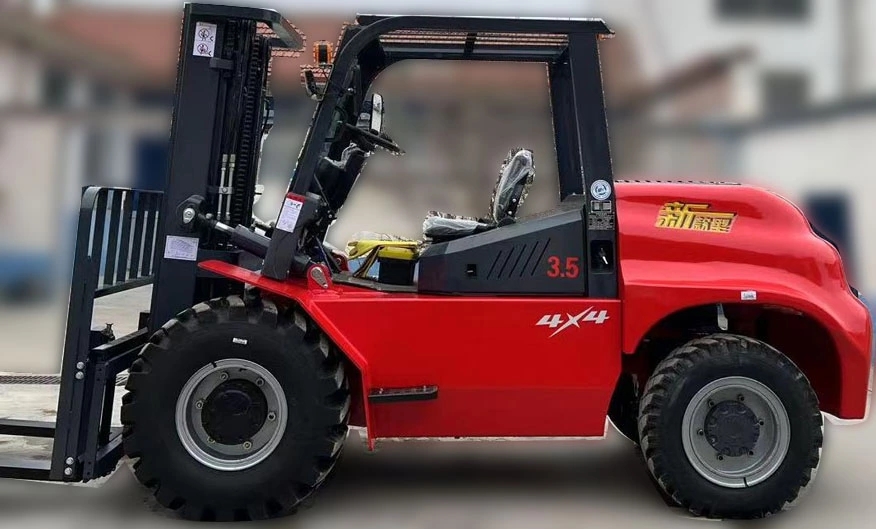
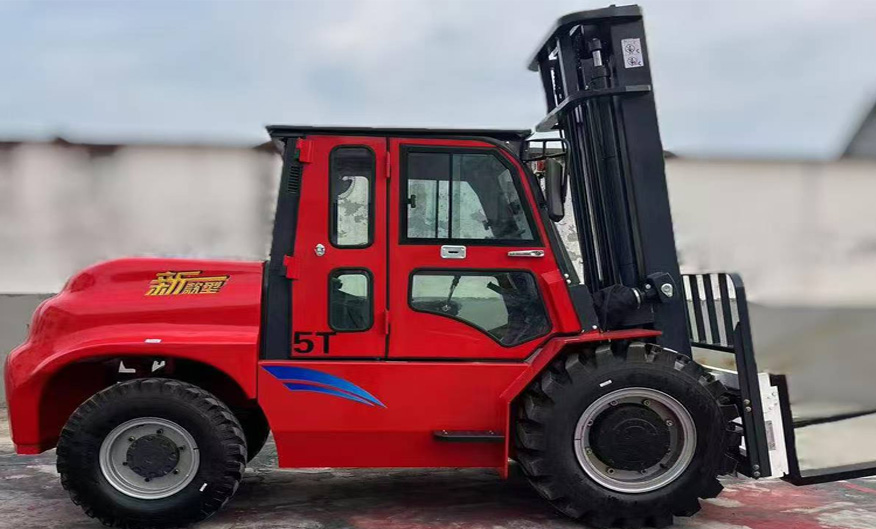
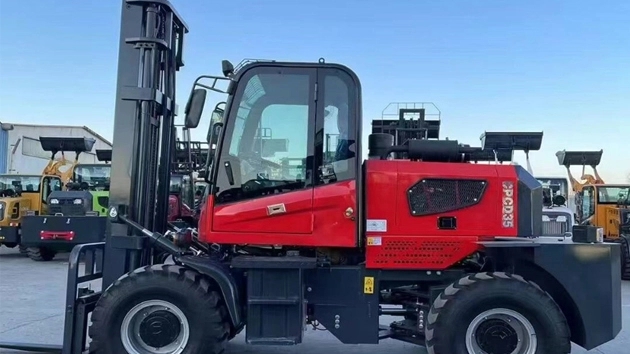
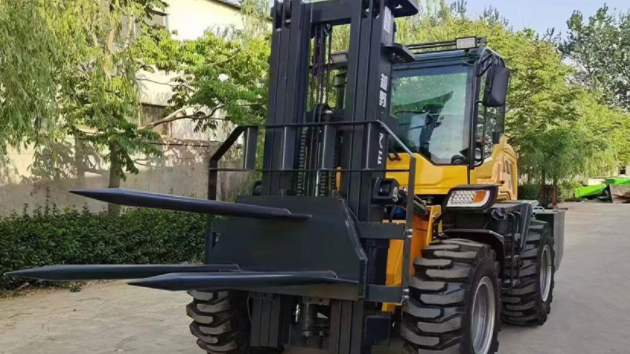
Mine site muddy road conditions present significant challenges for 4WD operation vehicles, impacting productivity, safety, and maintenance cycles. According to a 2023 industry report by Global Mining Insights, over 60% of unplanned downtime in surface mining operations is attributed to vehicle immobilization on saturated terrains. The primary issue stems from reduced traction and increased rolling resistance, which strain drivetrain components and elevate fuel consumption by up to 40% compared to dry conditions. For 4WD operation vehicles, this necessitates specialized modifications, including aggressive tread tires, electronic differential locks, and low-range gearing systems to maintain momentum. Field data from Australian iron ore mines indicate that optimized 4WD systems can reduce slippage incidents by 55% on muddy roads, directly correlating with a 20% improvement in haulage cycle times.
The integration of real-time monitoring technologies has revolutionized 4WD operation vehicle management in these environments. Sensors tracking wheel slip, torque distribution, and ground penetration depth enable adaptive control systems to preemptively adjust power to individual wheels, mitigating bog-downs. In a case study from a Chilean copper mine, vehicles equipped with IoT-based mud-response systems saw a 30% reduction in tire wear and a 15% decrease in fuel usage over six months. Additionally, predictive analytics using historical mine site muddy road data allow operators to schedule routes avoiding the most problematic areas, further enhancing efficiency. These advancements underscore the critical role of data-driven决策 in minimizing the adversarial effects of mud on 4WD operation vehicle performance.
Maintenance protocols for 4WD operation vehicles operating频繁ly on mine site muddy roads must address accelerated corrosion and component fouling. Industry benchmarks recommend shortened service intervals for axles, brakes, and suspension systems—often by 25–30% compared to standard environments. For instance, lubrication systems require enhanced sealing to prevent mud ingress, which accounts for nearly 50% of bearing failures in such settings. Proactive measures, such as post-shift undercarriage washing and using corrosion-resistant alloys, have been shown to extend vehicle lifespan by 2–3 years in mining operations across Canada’s oil sands regions. Ultimately, overcoming the hurdles of mine site muddy roads demands a holistic approach combining mechanical robustness, technological innovation, and rigorous upkeep for 4WD operation vehicles.