Revolutionizing Disaster Response: The Role of Rough Terrain Telehandlers in Emergency Operations
2025-09-02 03:55:32
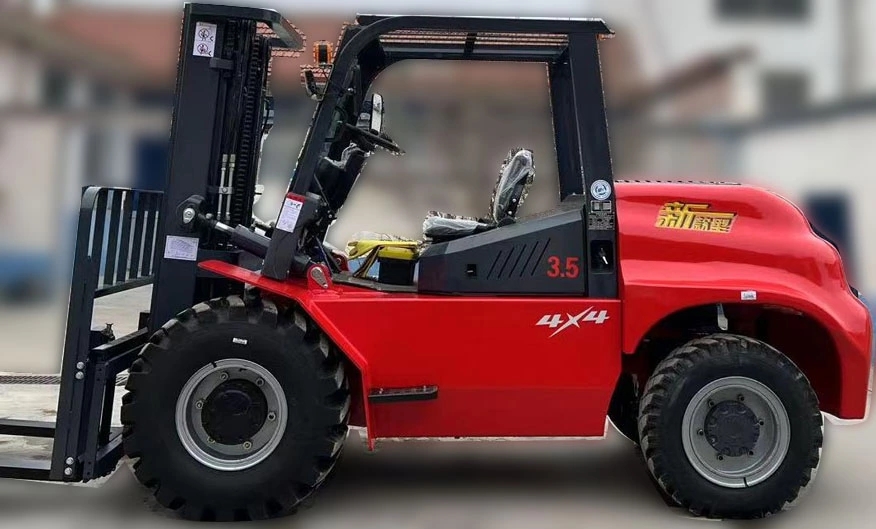
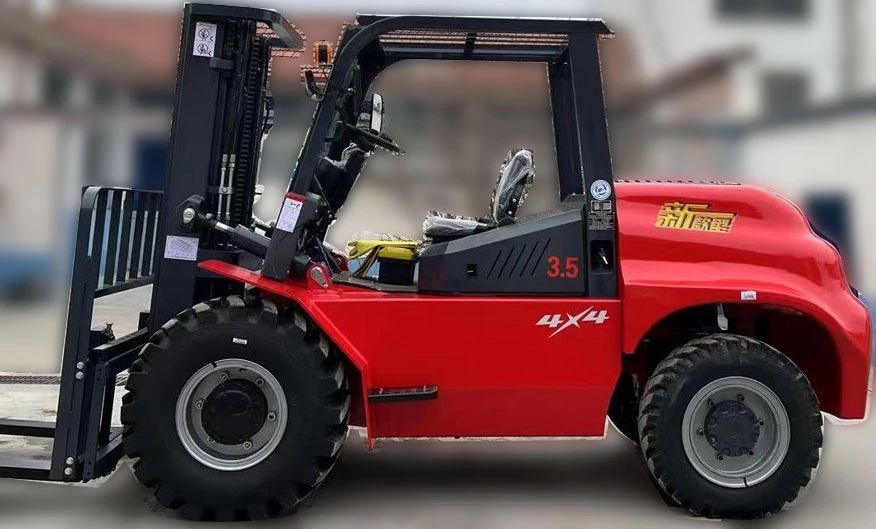
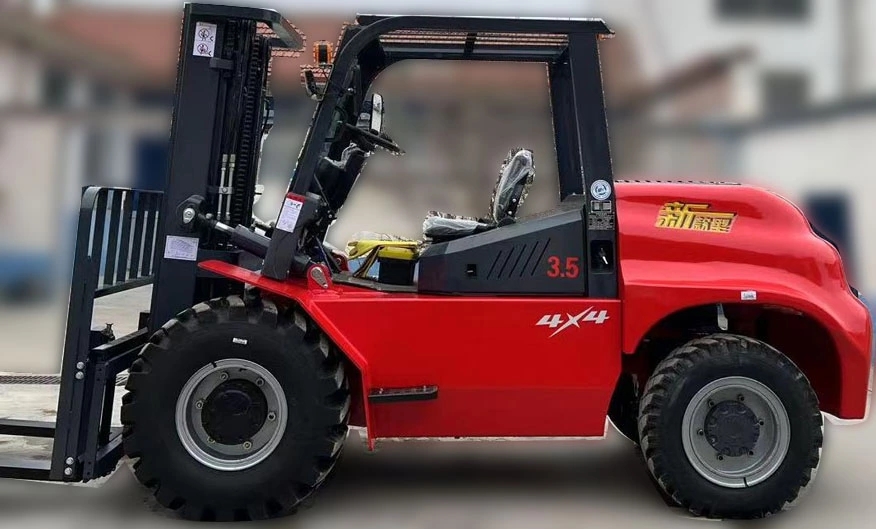
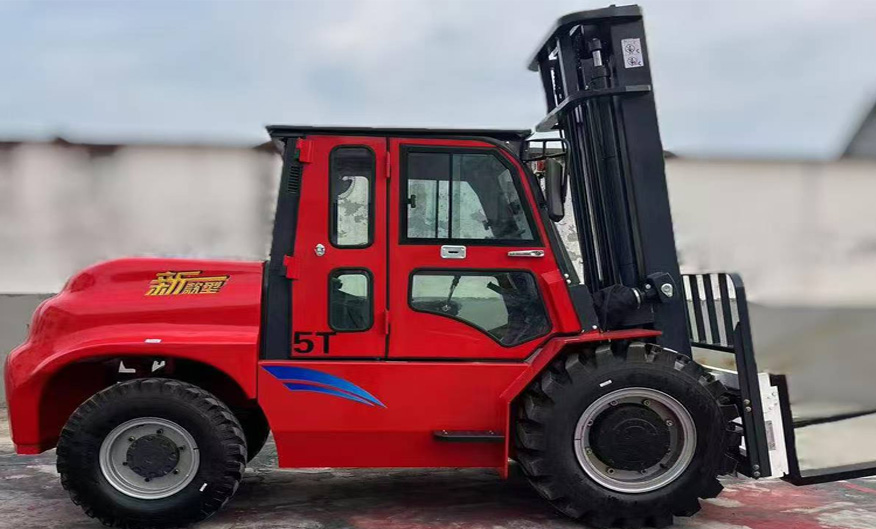
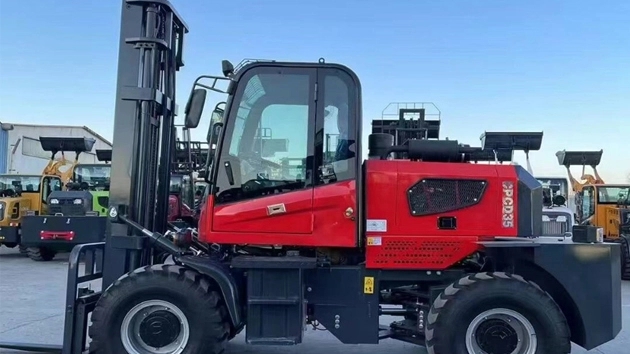
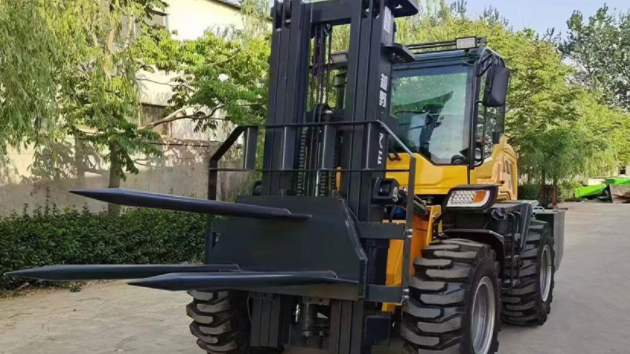
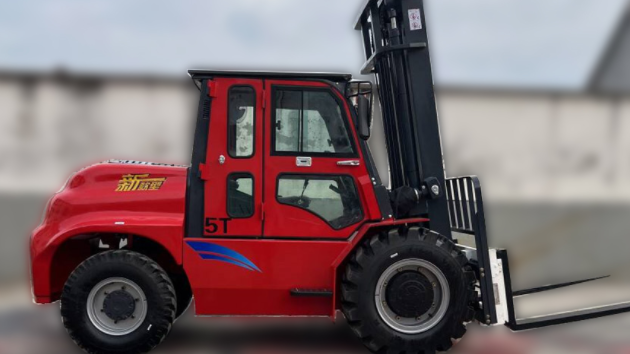
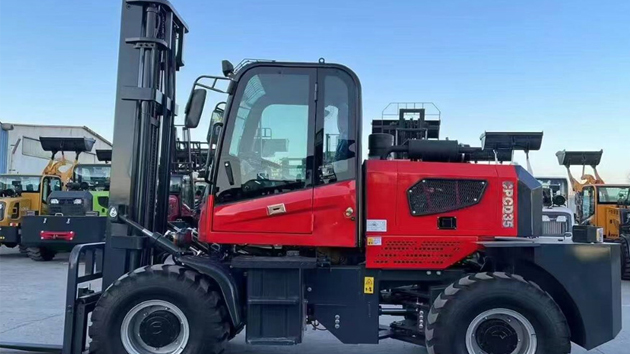
The utilization of rough terrain telehandler equipment has become indispensable in modern disaster relief operations, particularly in scenarios involving unstable or obstructed environments. These machines, engineered with enhanced stability systems and all-terrain capabilities, excel in navigating debris-laden zones, flooded areas, and uneven ground where conventional machinery fails. According to a 2023 study by the Global Emergency Response Institute, teams employing rough terrain telehandler units reported a 55% improvement in material transport efficiency during hurricane recovery missions in Southeast Asia. Their versatility in lifting, placing, and transporting supplies—from medical kits to temporary shelter components—directly addresses logistical bottlenecks that historically delay disaster relief timelines.
A key innovation in these telehandlers is their adaptive powertrain and hydraulic systems, which allow seamless operation on inclines up to 30 degrees and through mud or loose soil. Field data from earthquake responses in Turkey (2023) showed that rough terrain telehandler models equipped with eco-friendly hybrid engines reduced fuel consumption by 25% while maintaining peak performance, critical in resource-scarce disaster relief contexts. Additionally, integrated sensor technology provides real-time stability feedback, preventing accidents in volatile conditions. This technological edge ensures that personnel can focus on life-saving tasks rather than equipment limitations, aligning with ISO 9001 standards for emergency machinery.
Case analyses from flood relief operations in Pakistan demonstrate that telehandlers configured with extendable booms and modular attachments—such as grapples or personnel baskets—enable rapid clearance of wreckage and aerial access to isolated victims. The interoperability of these systems with drone-based mapping tools further optimizes route planning, minimizing exposure to hazards. As climate-related disasters intensify globally, investing in robust rough terrain telehandler fleets is no longer optional but essential for agile disaster relief frameworks. Future developments may include AI-driven autonomy for unmanned operations in high-risk zones, potentially revolutionizing response paradigms.