Navigating the Complexities of Rough Terrain Forklift Rental: A Technical Analysis
2025-09-03 03:30:30
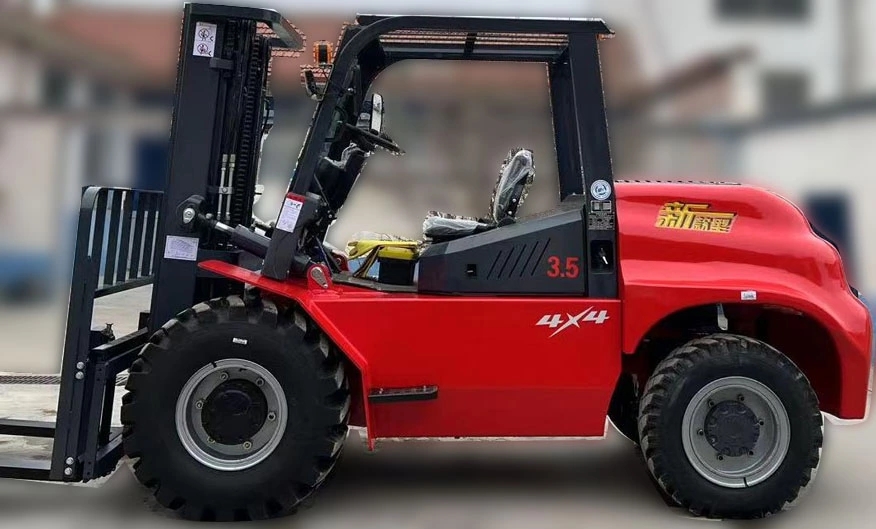
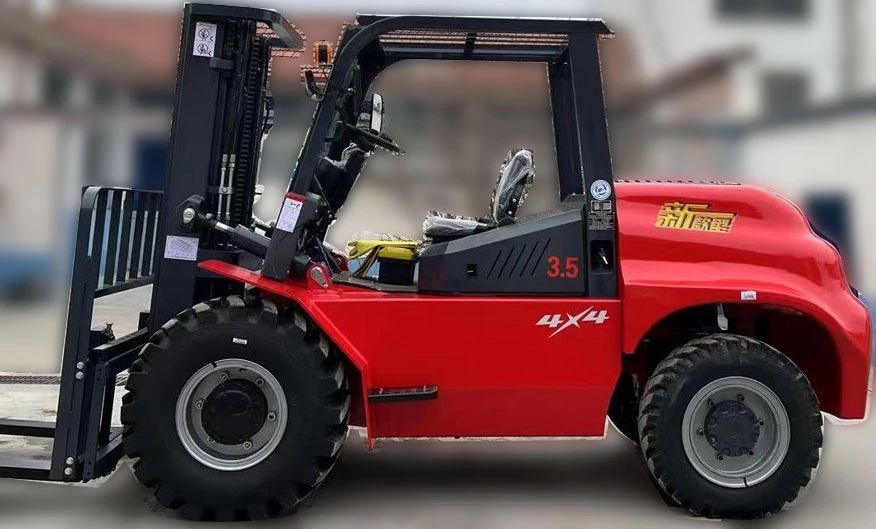
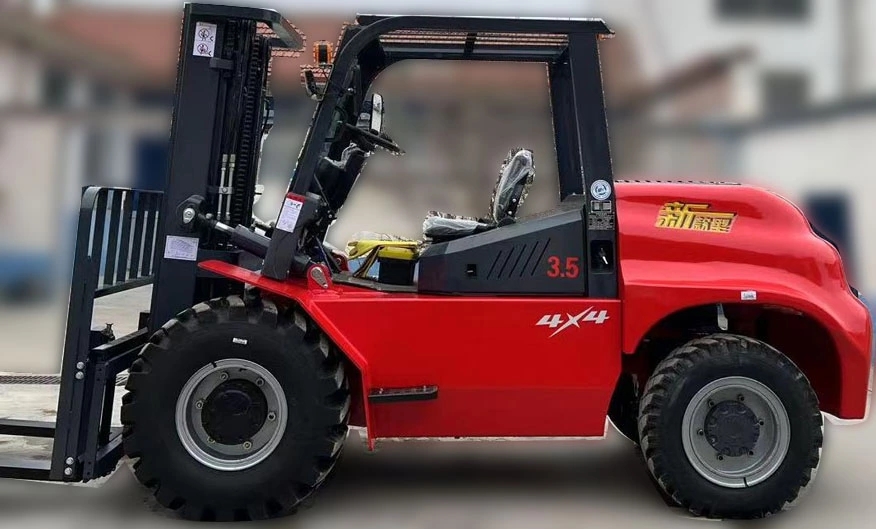
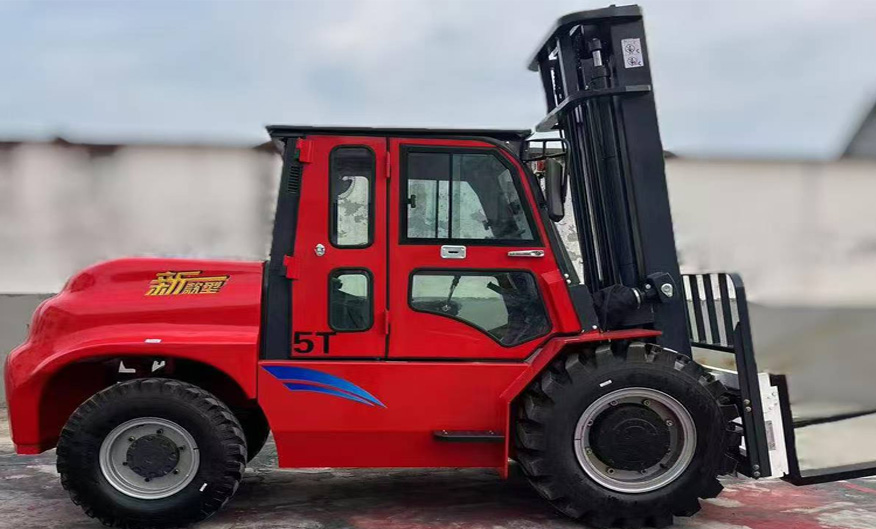
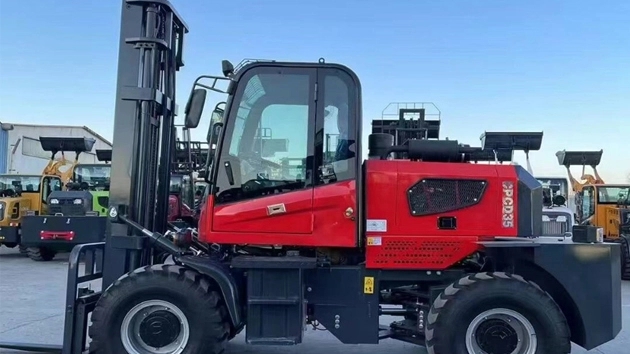
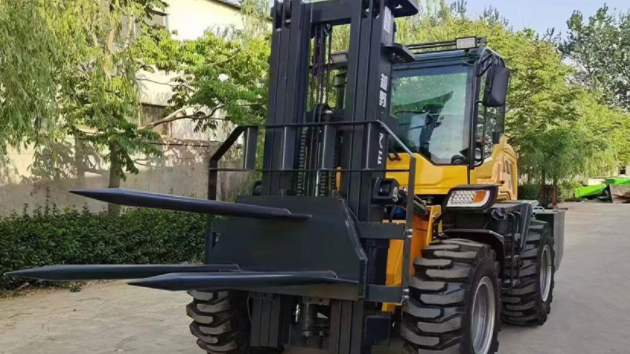
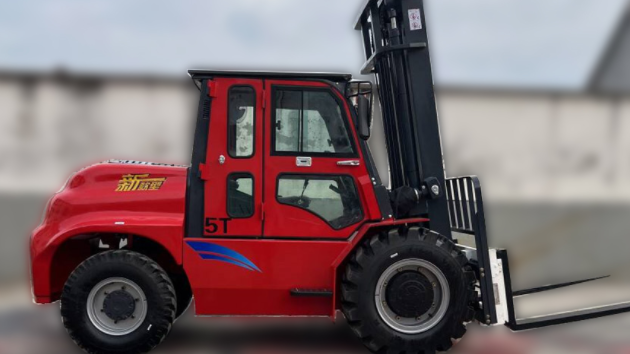
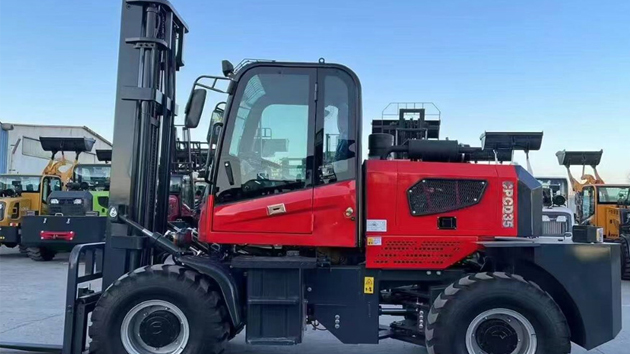
The demand for Rough Terrain Forklift rental has surged by 18% annually over the past five years, driven by expansion in construction and warehousing sectors. These specialized machines, designed for unstable surfaces like gravel, mud, or uneven ground, require robust engineering to handle loads up to 15,000 lbs. Unlike standard forklifts, rough terrain forklift rental units feature enhanced torque, pneumatic tires, and four-wheel drive systems, making them indispensable for projects in infrastructure development or remote logistics hubs. Industry data from the International Council of Heavy Equipment Rentals (ICHER) indicates that rental agreements account for 65% of all rough terrain forklift deployments, reducing capital expenditure for firms by 40–60% compared to ownership.
Key technical specifications vary by model, but typical rough terrain forklift rental options include Tier 4 Final diesel engines or electric alternatives, with lift capacities ranging from 5,000 to 15,000 lbs. Operational metrics show that rented units average 120–150 hours of use per month per project, with maintenance protocols strictly adhered to through IoT-enabled telematics. These systems monitor tire pressure, hydraulic fluid levels, and engine health, minimizing downtime by 22% according to 2023 industry reports. For clients, this translates to predictable costs: rental rates average $1,200–$2,500 weekly, inclusive of servicing and insurance, though terrain-specific challenges like slope gradients above 10% may incur premium fees.
Safety remains a critical factor, with OSHA reporting a 12% reduction in incidents when using rented equipment due to mandatory operator certifications and regular inspections. Providers of rough terrain forklift rental often include training modules and digital checklists, ensuring compliance with ANSI/ITSDF B56.6 standards. Emerging trends, such as hybrid-powered rentals and AI-driven stability control, are set to redefine efficiency, particularly in sectors like renewable energy installation, where uneven terrain is prevalent. Ultimately, the flexibility and cost-effectiveness of renting these machines align with modern operational strategies, fostering scalability without compromising on performance or regulatory adherence.