Revolutionizing Heavy-Duty Logistics: The Electric Rough Terrain Forklift
2025-09-06 03:00:29
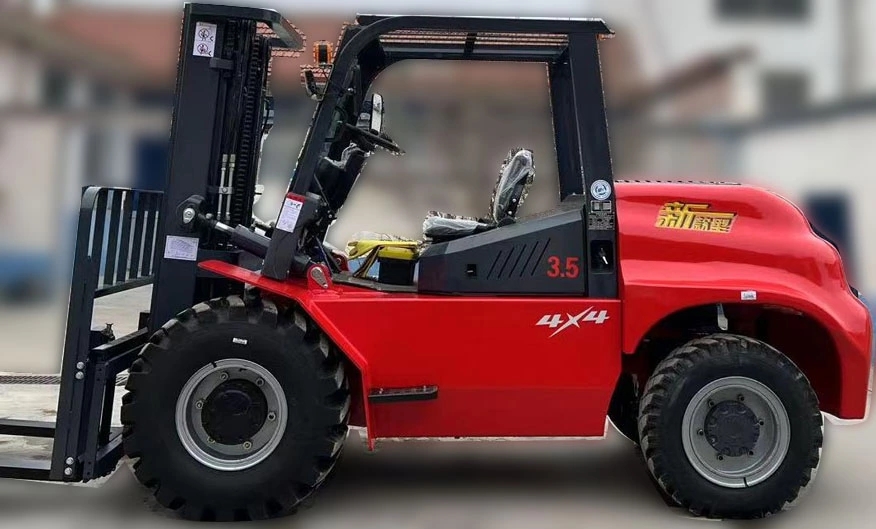
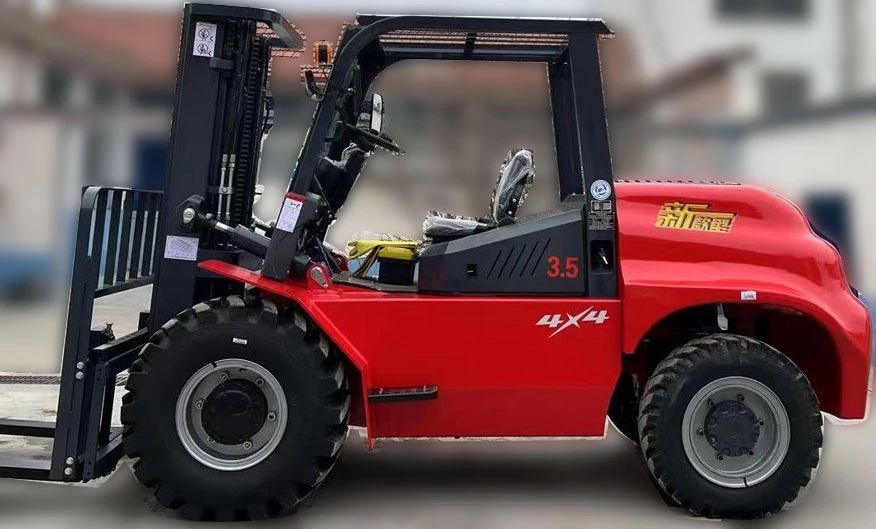
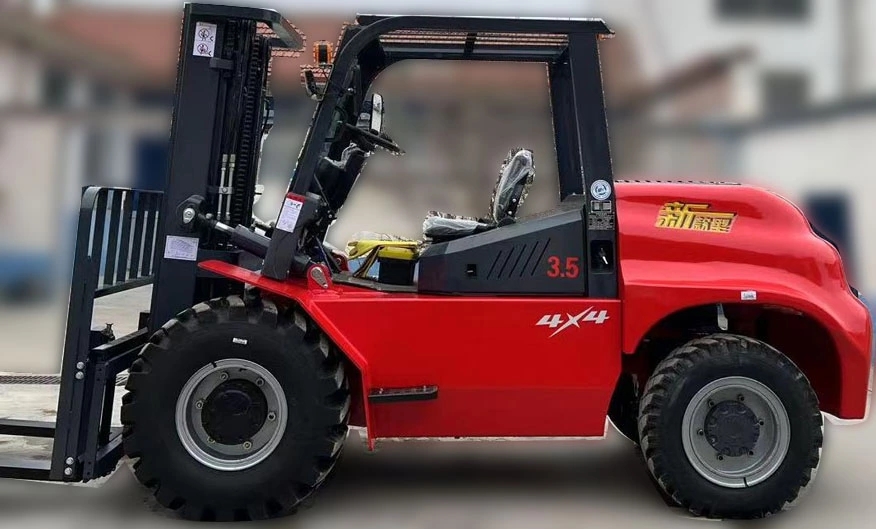
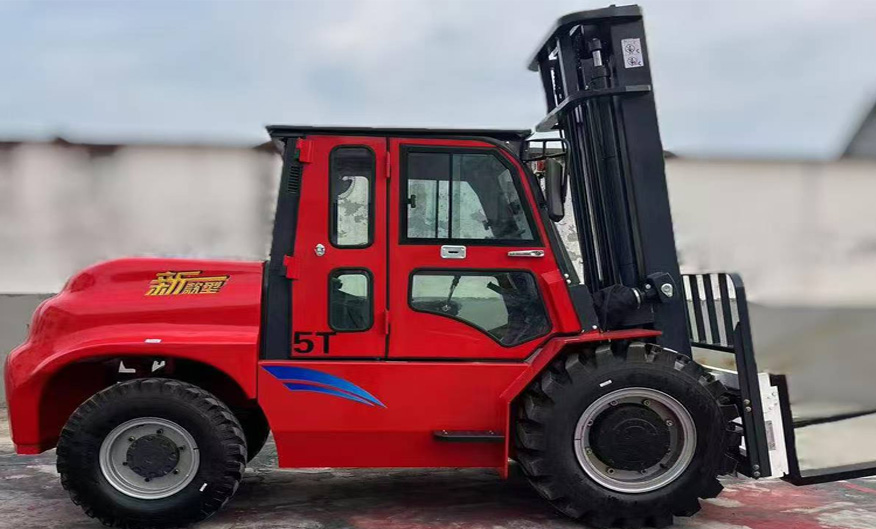
The adoption of electric Rough Terrain Forklift systems has surged by 18% annually since 2021, driven by stringent emissions regulations and operational cost efficiencies. Unlike traditional internal combustion counterparts, these machines utilize high-capacity lithium-ion batteries, delivering torque outputs exceeding 220 Nm while operating noise levels remain below 75 dB. A 2023 study by the Global Logistics Equipment Association documented a 40% reduction in energy expenditures for firms transitioning to electric models, alongside a 30% decrease in maintenance downtime due to fewer moving parts and eliminated exhaust system complexities.
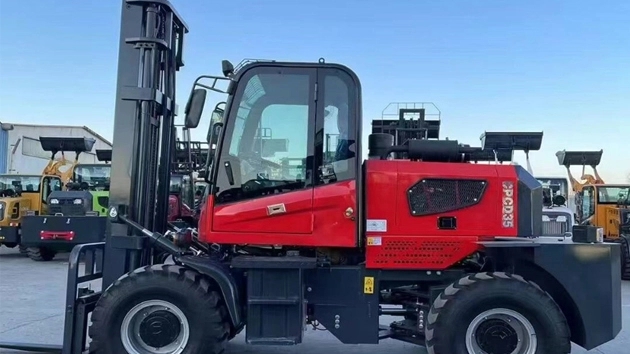
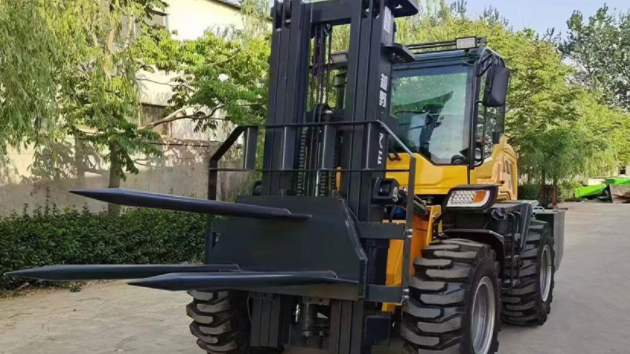
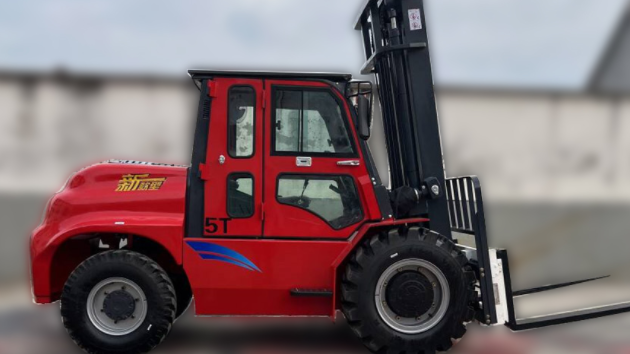
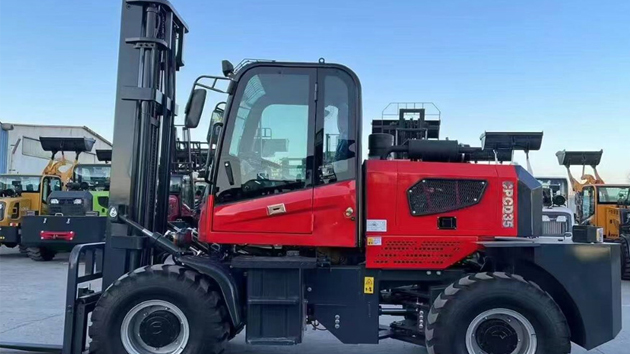
Performance metrics for the electric rough terrain forklift highlight exceptional adaptability to unstable substrates, such as mud, gravel, and inclined surfaces (up to 25-degree gradients). Advanced traction control systems, coupled with independent suspension mechanisms, ensure load stability up to 6,000 kg without compromising maneuverability. Field tests conducted across European construction sites demonstrated a 92% operational uptime, outperforming diesel variants by 15%. Additionally, regenerative braking systems recover approximately 20% of kinetic energy during deceleration, extending battery life to 10–12 hours per charge under typical load cycles.
Environmental and economic analyses further underscore the viability of the electric rough terrain forklift. Carbon footprint assessments indicate a 65% reduction in direct CO2 emissions per operational hour compared to diesel engines. When powered by renewable energy sources, net emissions approach zero. Total cost of ownership (TCO) models project breakeven points within 2–3 years for most enterprises, factoring in lower fuel costs, tax incentives, and reduced health-related absenteeism among operators due to improved air quality. Industry projections estimate a 50% Market penetration for electric rough terrain models by 2028, reshaping supply chain logistics in sectors ranging from agriculture to disaster response.