Global Compliance Framework for Rough Terrain Forklift Export Certification
2025-09-06 03:05:29
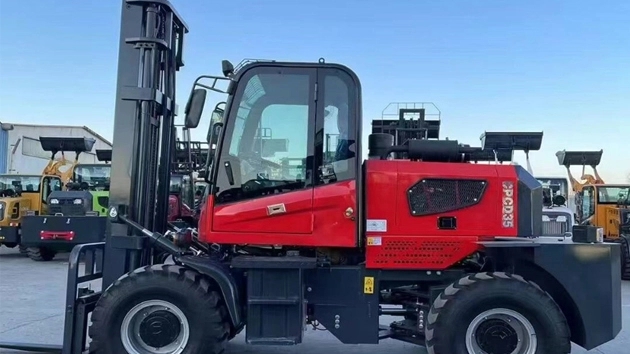
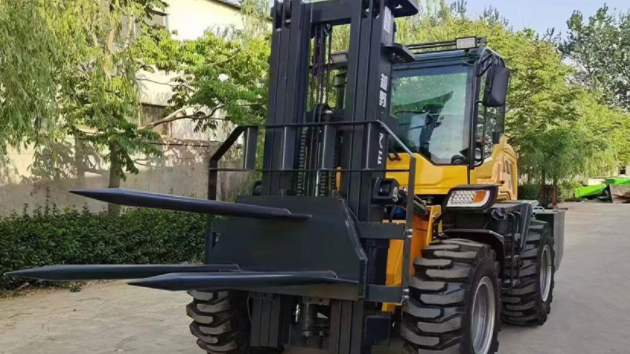
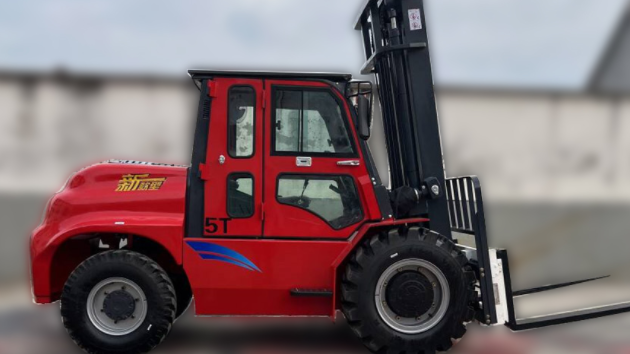
The export of Rough Terrain Forklift machinery necessitates rigorous certification aligned with destination-specific regulations. In the European Union, CE marking under the Machinery Directive 2006/42/EC is mandatory, requiring assessments for stability, noise emissions, and safety interlocks. For North American Markets, OSHA and ANSI/ITSDF B56.6 standards govern design and operational safety, while countries like Australia enforce AS 2359 series norms. Each region mandates distinct testing for load capacity, braking systems, and roll-over protection structures (ROPS), often requiring third-party validation. Non-compliance risks shipment rejections or legal penalties, emphasizing the need for pre-shipment audits.
Certification processes for a rough terrain forklift involve multi-phase testing, including environmental stress simulations (e.g., ISO 6055 for overhead guards) and performance evaluations under extreme conditions. Emissions standards, such as EU Stage V or EPA Tier 4 for diesel engines, require verified particulate filters and exhaust aftertreatment systems. Additionally, electromagnetic compatibility (EMC) testing per IEC 61000-6-2 ensures operational safety in industrial settings. Data from 2023 shows a 15% increase in certification failures due to outdated documentation, highlighting the necessity of digital logbooks and automated compliance tracking systems.
Documentation for rough terrain forklift exports must include technical construction files (TCF), risk assessments, and certificates of conformity (CoC). Exporters to regions like Southeast Asia or Latin America must also consider local adaptations, such as tropicalized components or metric system calibrations. Emerging markets, including India and Brazil, now require ISO 14001 environmental management alignment. Proactive engagement with accredited bodies (e.g., TÜV, UL) streamlines approvals, reducing lead times by 30–40%. Future trends point toward harmonized global standards, though current fragmentation demands tailored strategies per export corridor.