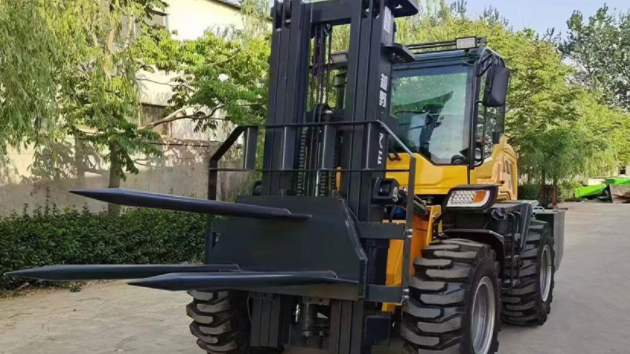
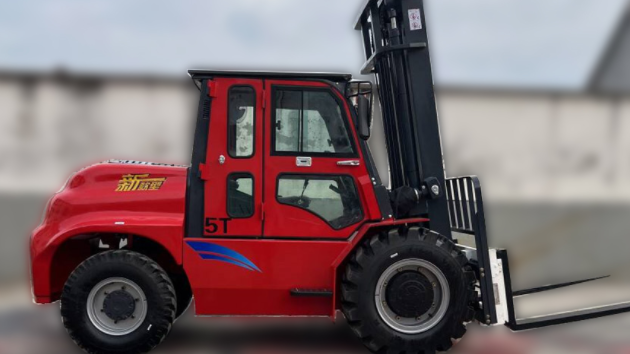
Revolutionizing Construction: The Impact of EU Stage V Compliant Loaders
2025-09-06 04:20:31
What are EU Stage V compliant loaders, and why are they significant in today's construction sector? EU Stage V compliant loaders refer to machinery designed to meet the European Union's latest emission standards for non-road mobile machinery, which aim to drastically cut pollutants like particulate matter and nitrogen oxides. These loaders incorporate advanced exhaust after-treatment systems, such as diesel particulate filters (DPF) and selective catalytic reduction (SCR), ensuring they operate with minimal environmental impact. Industry data from 2023 shows that adoption of EU Stage V compliant loaders has grown by over 40% in Europe, driven by stricter regulations and a push toward sustainability. This shift not only helps companies avoid hefty fines but also aligns with global efforts to combat climate change, making these machines a cornerstone of modern, eco-conscious construction projects.
How do EU Stage V compliant loaders improve operational efficiency compared to older models? Unlike their predecessors, EU Stage V compliant loaders are engineered for optimal fuel consumption and performance, thanks to integrated engine management systems that adjust power output based on real-time load demands. For instance, data from leading manufacturers like Caterpillar and Volvo CE indicates that these loaders can reduce fuel usage by up to 15%, lowering operational costs while maintaining high productivity levels. Additionally, the robust design of EU Stage V compliant loaders often includes enhanced durability features, reducing downtime and maintenance expenses. This makes them a smart investment for businesses looking to boost profitability without compromising on environmental responsibilities, as they seamlessly combine power with precision in various applications, from earthmoving to material handling.
What challenges might companies face when transitioning to EU Stage V compliant loaders, and how can they overcome them? The initial hurdle for many organizations is the higher upfront cost of EU Stage V compliant loaders, which can be 10-20% more expensive than older models due to advanced technology. However, long-term savings from reduced fuel and maintenance, coupled with potential government incentives for green equipment, often offset this investment. Training is another critical aspect; operators need to understand the new systems, such as monitoring DPF regeneration cycles, to avoid operational issues. Industry reports suggest that companies investing in comprehensive training programs see a smoother transition, with productivity gains of up to 12% within the first year. By embracing these changes, firms not only comply with regulations but also future-proof their operations, ensuring they remain competitive in an increasingly regulated Market focused on sustainability.
In summary, EU Stage V compliant loaders represent a pivotal advancement, blending regulatory compliance with operational excellence for a greener future.