The Future of Heavy-Duty All-Terrain Forklifts in Industrial Logistics
2025-08-01 05:00:24
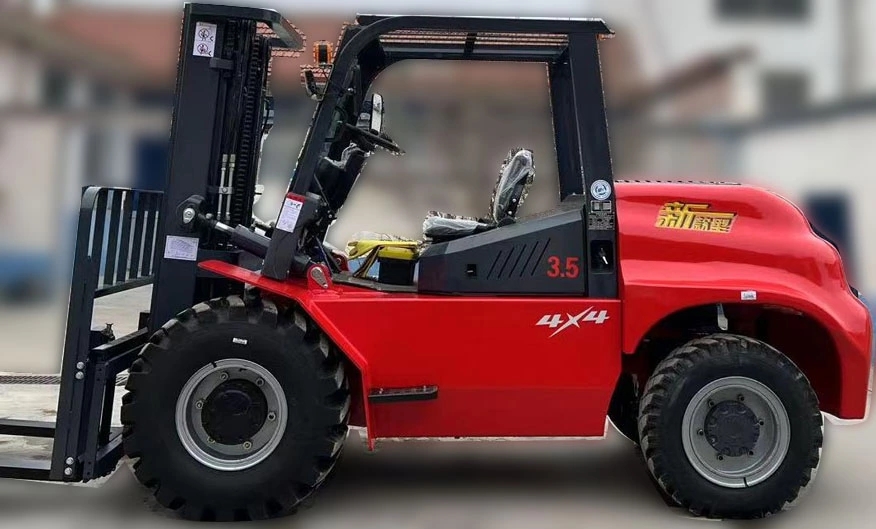
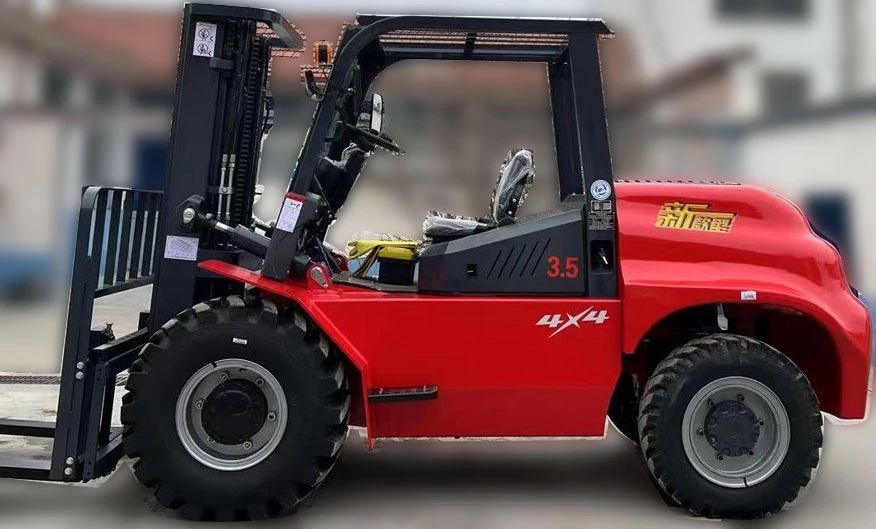
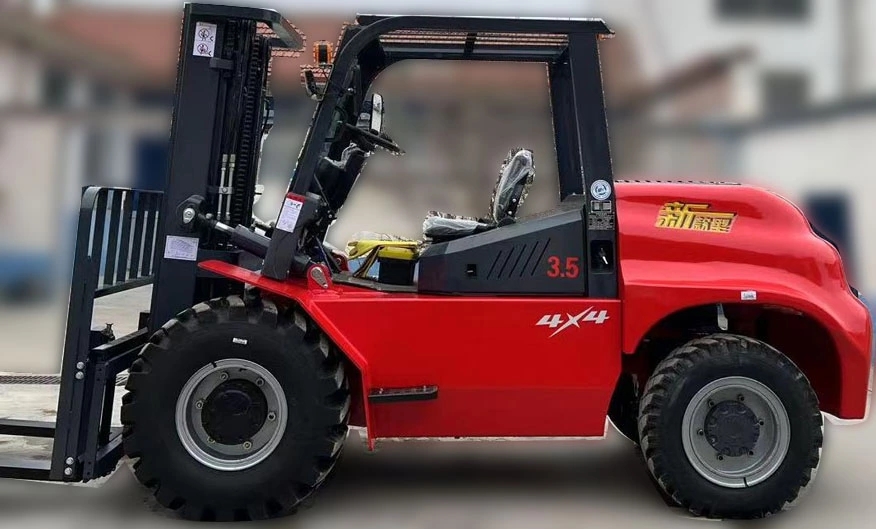
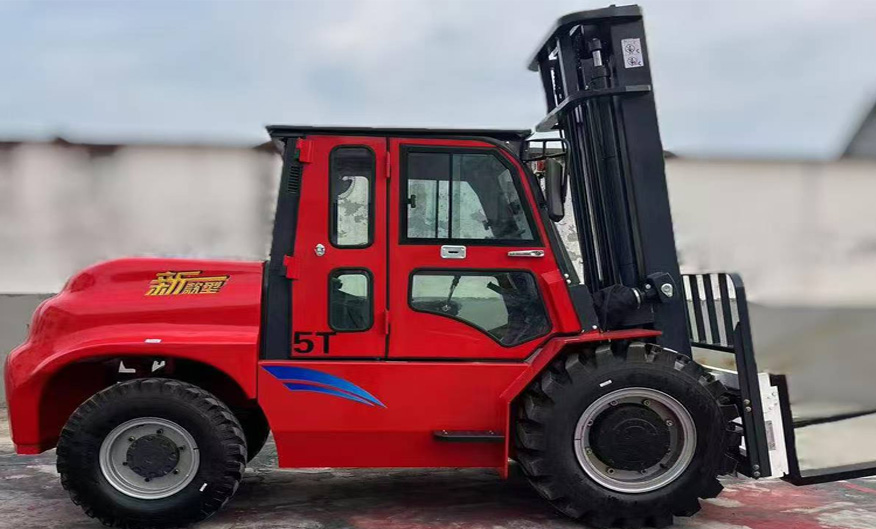
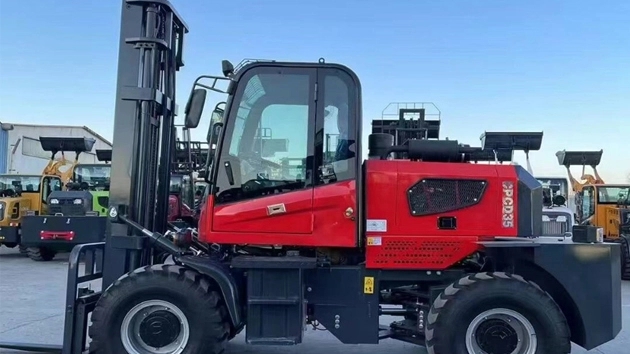
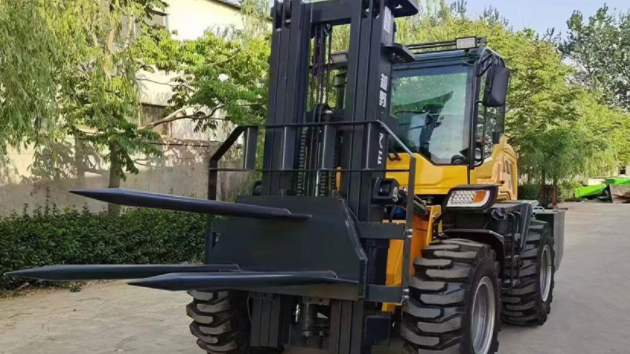
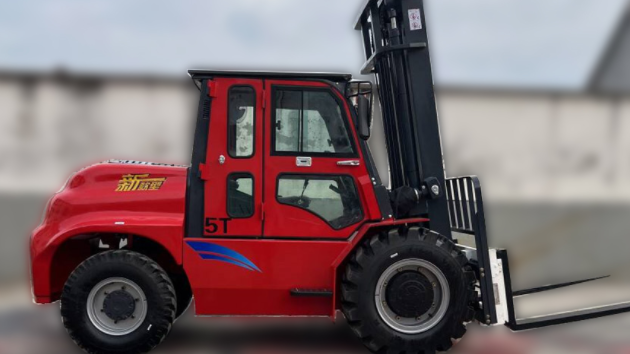
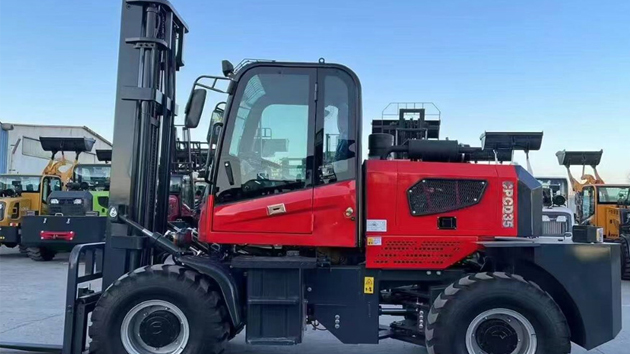
The heavy-duty all-terrain forklift is engineered to perform in the most challenging environments, from muddy construction sites to uneven mining terrains. Unlike standard forklifts, these machines feature reinforced chassis, high-traction tires, and advanced suspension systems to ensure stability and load-bearing capacity. With lifting capacities often exceeding 10,000 lbs, they are designed to move bulky materials efficiently while maintaining operator safety.
One of the key advantages of a heavy-duty all-terrain forklift is its adaptability. Equipped with four-wheel drive and differential locks, these forklifts can navigate steep inclines, loose gravel, and even shallow water crossings. Industries such as oil and gas rely on them to transport heavy equipment across remote job sites where traditional forklifts would fail. Additionally, modern models incorporate telematics and IoT sensors to monitor performance, fuel efficiency, and maintenance needs in real time.
The Market for heavy-duty all-terrain forklifts is projected to grow by 8.2% annually, driven by increasing infrastructure projects and warehouse automation. Leading manufacturers are integrating hybrid and electric powertrains to meet sustainability goals without compromising power. For example, the latest electric heavy-duty all-terrain forklifts offer zero emissions while delivering comparable torque to diesel counterparts. As industries prioritize efficiency and environmental responsibility, these innovations will redefine material handling in extreme conditions.
In conclusion, the heavy-duty all-terrain forklift is a critical asset for industries operating in harsh environments. Its robust design, advanced mobility features, and evolving technology make it a cornerstone of modern logistics. Whether in construction, agriculture, or disaster recovery, these machines ensure productivity and safety where conventional equipment falls short.