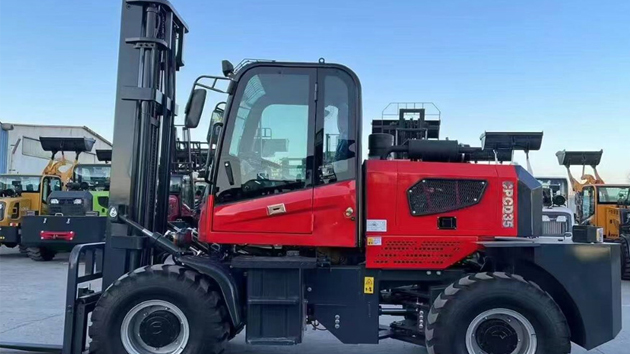
Revolutionizing Industrial Logistics: The Heavy Duty All Terrain Forklift
2025-09-03 03:10:30
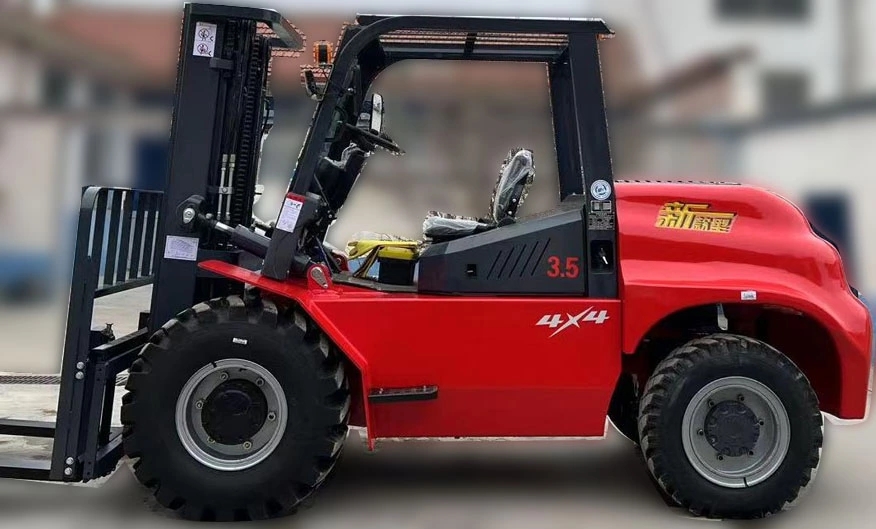
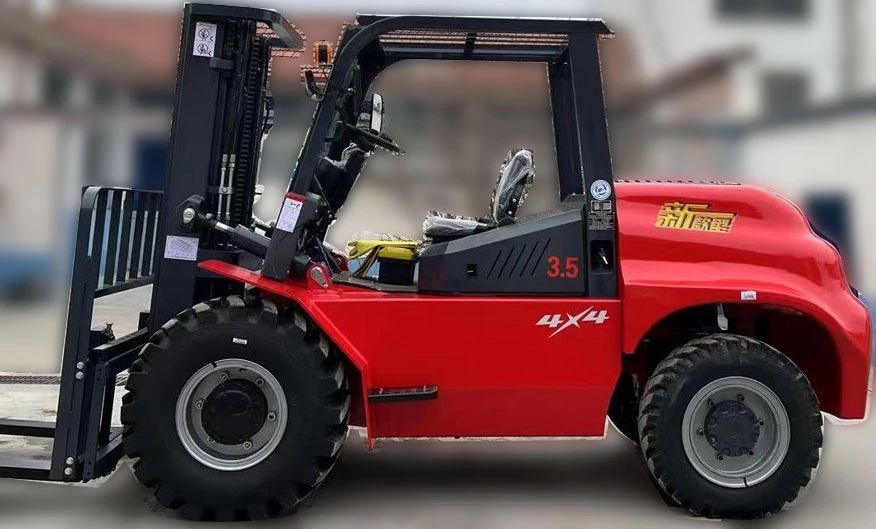
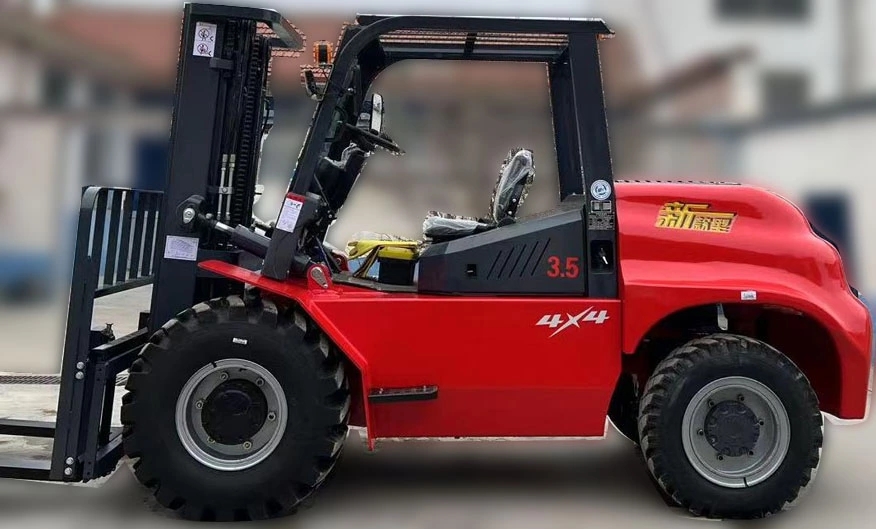
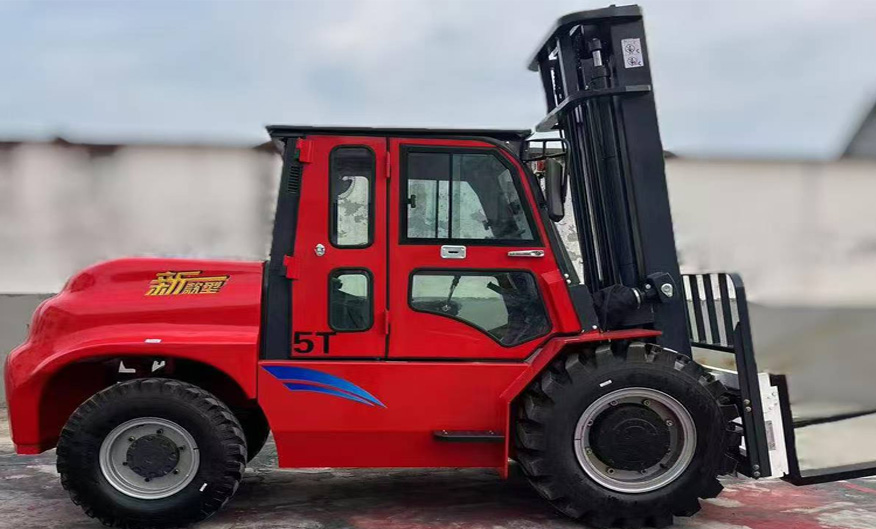
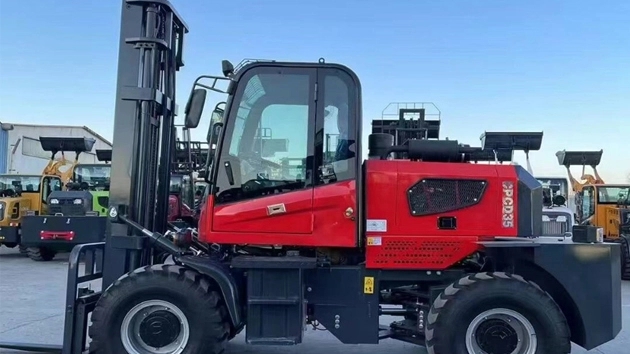
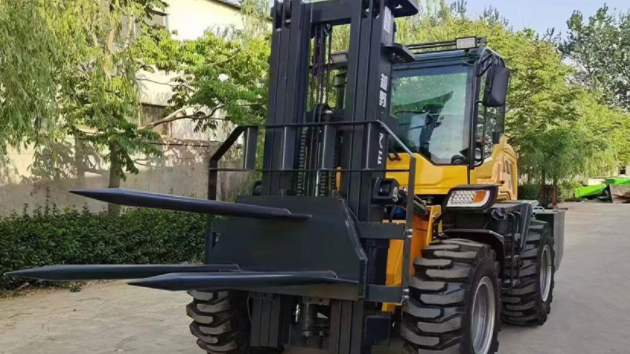
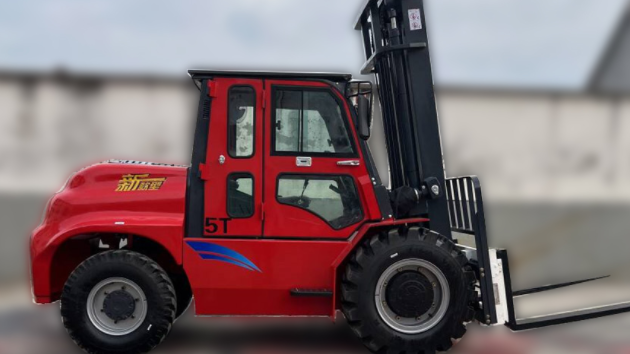
The heavy duty all terrain forklift represents a significant evolution in material handling equipment, designed to operate efficiently on uneven, rough, or soft surfaces where conventional forklifts would fail. These machines integrate robust chassis systems, high-torque engines, and advanced suspension mechanisms to navigate terrains such as mud, gravel, sand, and inclines. Key features include all-wheel drive capabilities, enhanced ground clearance, and reinforced tires, which collectively ensure stability and load integrity during operation. Industries reliant on outdoor or semi-structured environments, including construction sites and mining operations, benefit immensely from the versatility of the heavy duty all terrain forklift, as it reduces the need for multiple specialized vehicles and streamlines workflows.
Performance metrics for a typical heavy duty all terrain forklift indicate lift capacities ranging from 5,000 to 36,000 pounds, with maximum travel speeds of 15-25 mph depending on model specifications. Power sources vary, with diesel engines dominating due to their durability and high torque output, though electric and hybrid models are emerging to meet sustainability goals. Safety systems incorporate dynamic stability control, load moment indicators, and terrain-sensing technologies that adjust hydraulic functions in real-time to prevent tip-overs or load shifts. These innovations not only enhance operational safety but also extend the equipment’s lifespan by reducing wear and tear on critical components.
Market adoption data from 2023 shows a 12% annual growth in sales of heavy duty all terrain forklifts, driven by increased infrastructure projects and global supply chain expansions. Sectors such as agriculture, warehousing, and disaster response utilize these forklifts for tasks like moving heavy machinery, stacking materials in temporary yards, and transporting supplies in adverse conditions. The integration of IoT and telematics allows for predictive maintenance and remote monitoring, further optimizing uptime and ROI. As industries continue to prioritize adaptability and resilience, the heavy duty all terrain forklift is poised to remain a cornerstone of modern logistical operations, with ongoing R&D focusing on autonomous functionality and emission reduction.