The Future of Diesel Rough Terrain Forklifts in Heavy-Duty Applications
2025-08-15 03:05:29
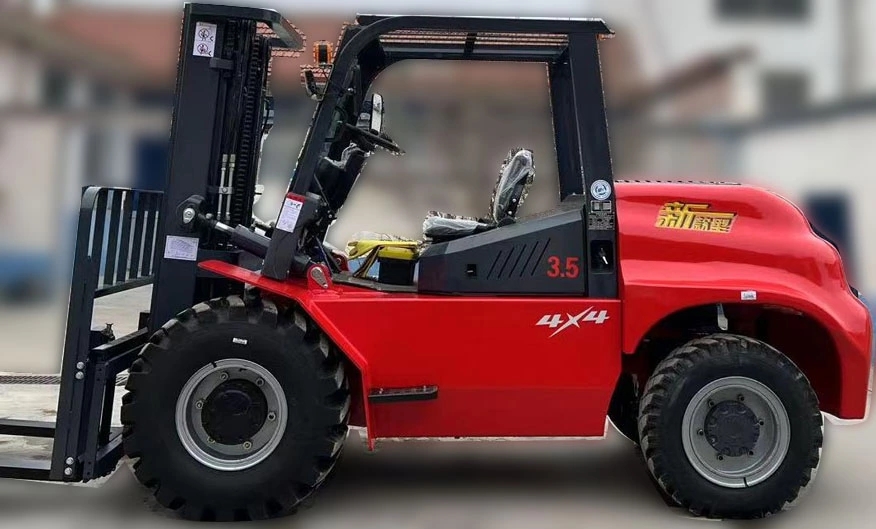
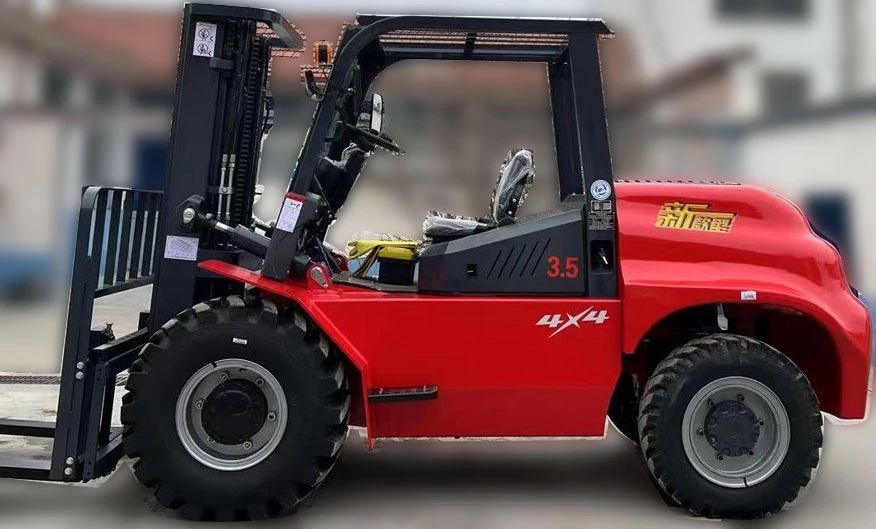
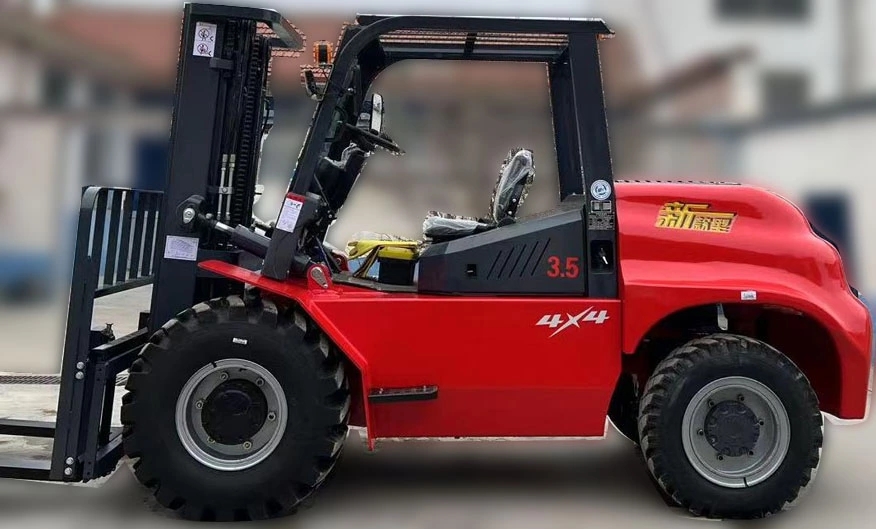
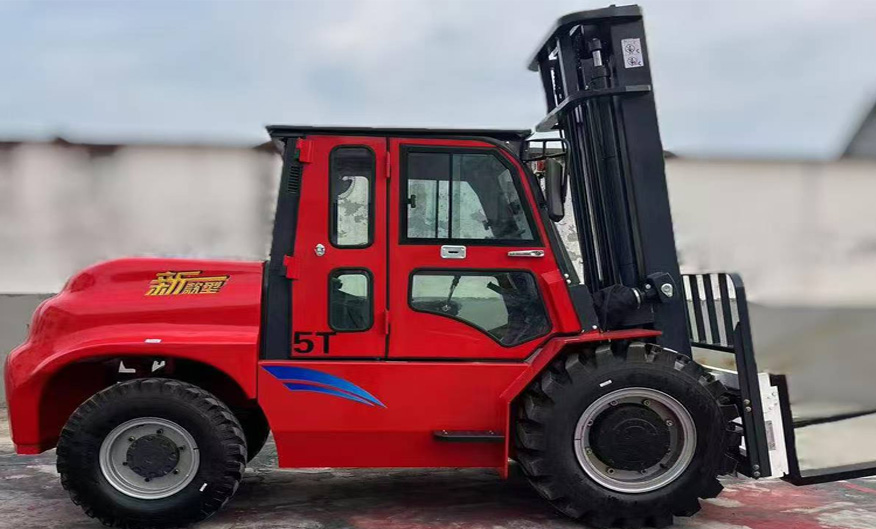
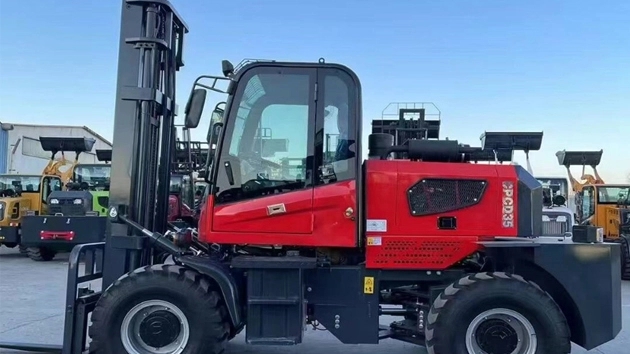
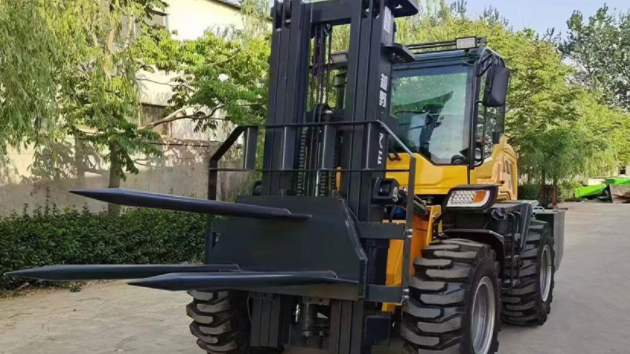
Diesel Rough Terrain Forklifts are engineered to tackle the most challenging outdoor environments, offering unmatched durability and power. Unlike their electric counterparts, these machines excel in uneven terrains, muddy construction sites, and rugged agricultural fields. The integration of high-torque diesel engines ensures consistent performance under heavy loads, making them indispensable for industries requiring reliable material handling.
One of the key advantages of diesel rough terrain forklifts is their ability to operate in extreme conditions. With reinforced tires, advanced suspension systems, and superior weight distribution, these forklifts maintain stability even on rocky or sloped surfaces. Recent Market data indicates a 12% year-over-year growth in demand for diesel-powered rough terrain models, driven by expanding infrastructure projects and agricultural mechanization.
Technological advancements have further enhanced the efficiency of diesel rough terrain forklifts. Modern units now feature fuel-efficient engines with reduced emissions, complying with stringent environmental regulations. Telematics integration allows operators to monitor fuel consumption, maintenance schedules, and load capacities in real-time, optimizing operational workflows. Industry analysts predict that by 2026, over 60% of new rough terrain forklifts sold will incorporate smart diagnostics and automation features.
Despite the rise of alternative energy solutions, diesel rough terrain forklifts remain the preferred choice for heavy-duty applications. Their extended runtime, rapid refueling, and lower upfront costs make them economically viable for large-scale operations. A recent survey of construction firms revealed that 78% still rely on diesel-powered forklifts for outdoor projects due to their unmatched power and reliability.
In conclusion, diesel rough terrain forklifts continue to dominate the heavy equipment sector, thanks to their adaptability and performance. As manufacturers invest in cleaner diesel technologies and automation, these machines are poised to remain a cornerstone of industrial material handling for years to come.