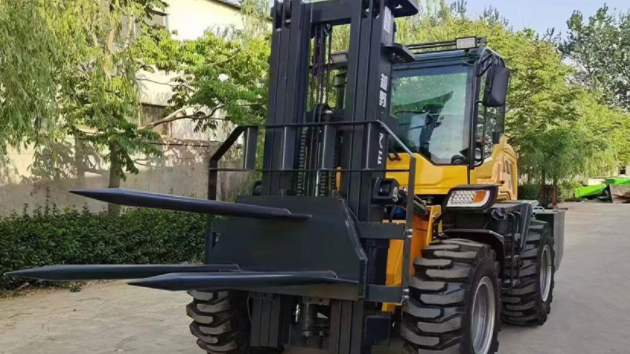
Innovations in Diesel Rough Terrain Forklift Design and Performance Metrics
2025-09-03 04:00:29
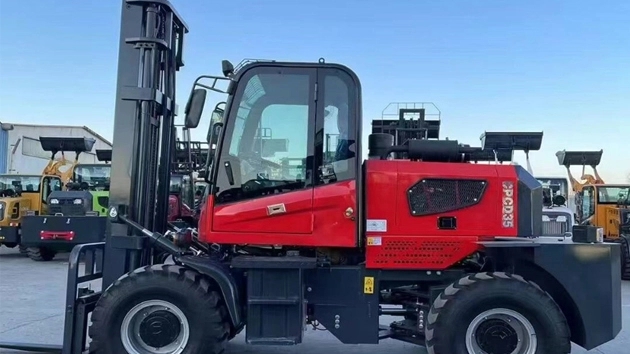
The integration of advanced diesel engines in Rough Terrain Forklifts has significantly enhanced their torque output and fuel efficiency, making them indispensable for heavy-duty applications in sectors like construction and logistics. Modern diesel rough terrain forklift models utilize turbocharged engines that comply with Tier 4 emission standards, reducing environmental impact while maintaining high performance. These engines are designed to deliver consistent power even on uneven surfaces, ensuring reliability in challenging outdoor environments.
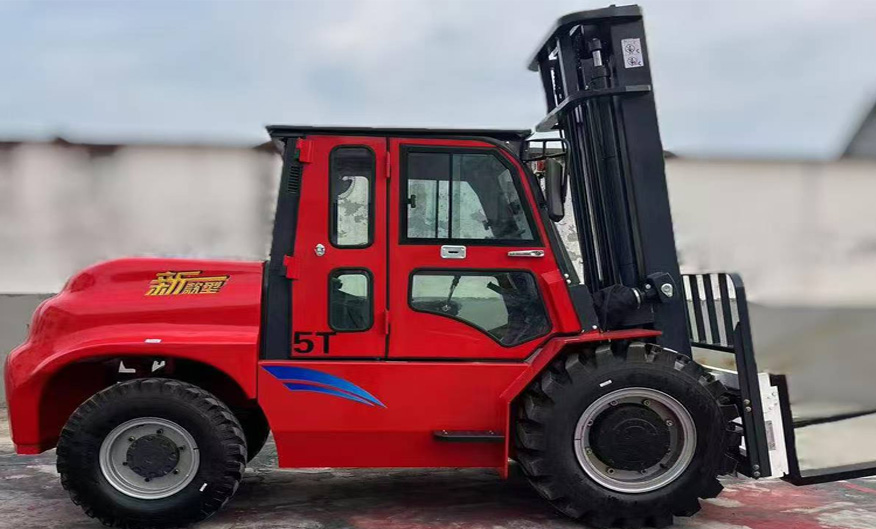
Durability remains a critical factor for diesel rough terrain forklift operations, particularly when navigating rocky or muddy terrains. Manufacturers have incorporated reinforced chassis structures and heavy-duty suspension systems to withstand repetitive stress. Additionally, corrosion-resistant materials and sealed components protect the machinery from debris and moisture, extending its service life. The robust design of a diesel rough terrain forklift ensures minimal downtime, which is crucial for projects with tight schedules.
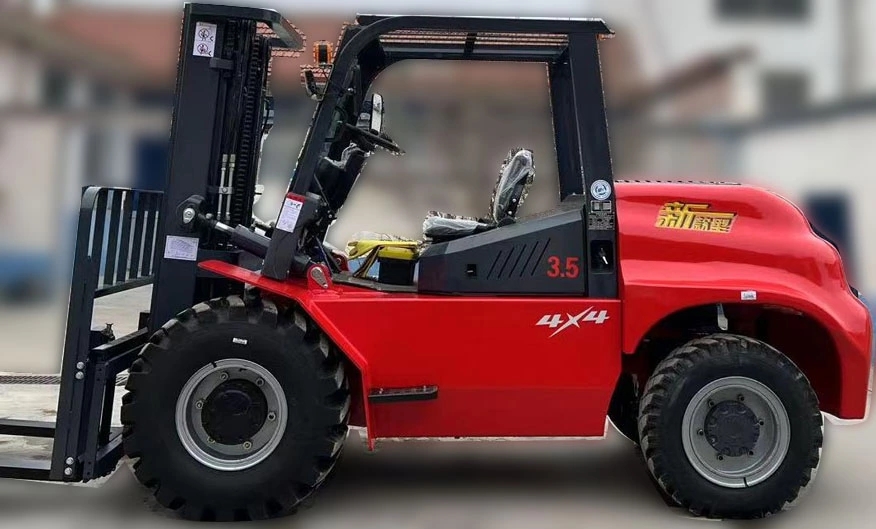
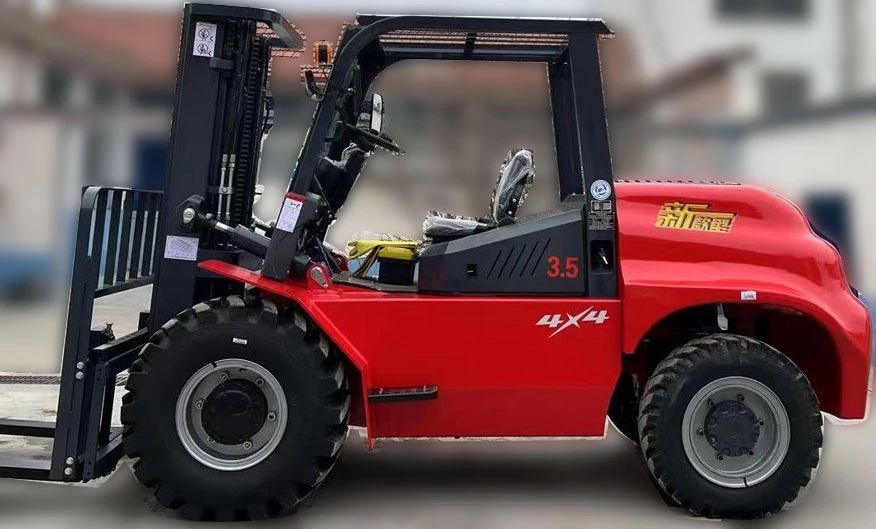
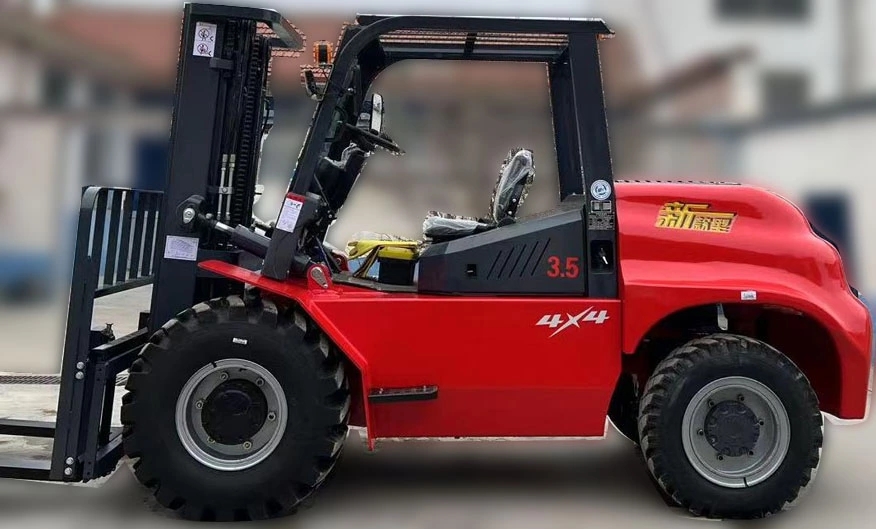
Terrain adaptability is another area where diesel rough terrain forklifts excel, thanks to features like four-wheel drive and oscillating axles that improve stability on slopes and rough ground. These forklifts often include specialized tires with deep treads for enhanced traction, allowing operators to handle loads safely in unpredictable conditions. The versatility of a diesel rough terrain forklift makes it suitable for diverse tasks, from lifting construction materials to transporting goods in agricultural settings.
Performance metrics indicate that diesel rough terrain forklifts offer superior load capacity compared to electric alternatives, with some models capable of lifting up to 15,000 pounds. Fuel consumption data shows an average of 3-4 gallons per hour under full load, balancing power and operational costs. Regular maintenance protocols, such as engine diagnostics and hydraulic system checks, are essential to optimize the longevity and efficiency of these machines.
In conclusion, the evolution of diesel rough terrain forklift technology continues to address industry demands for power, resilience, and adaptability. Future developments may focus on hybrid systems and automation, further enhancing their role in modern infrastructure projects.