The Hidden Capabilities of Mining 4WD Forklifts in Waterlogged Environments
2025-08-19 03:25:23
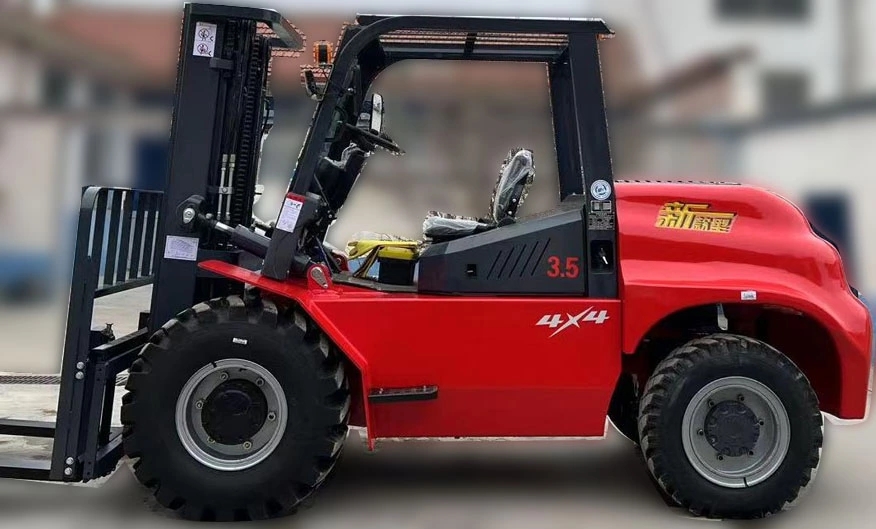
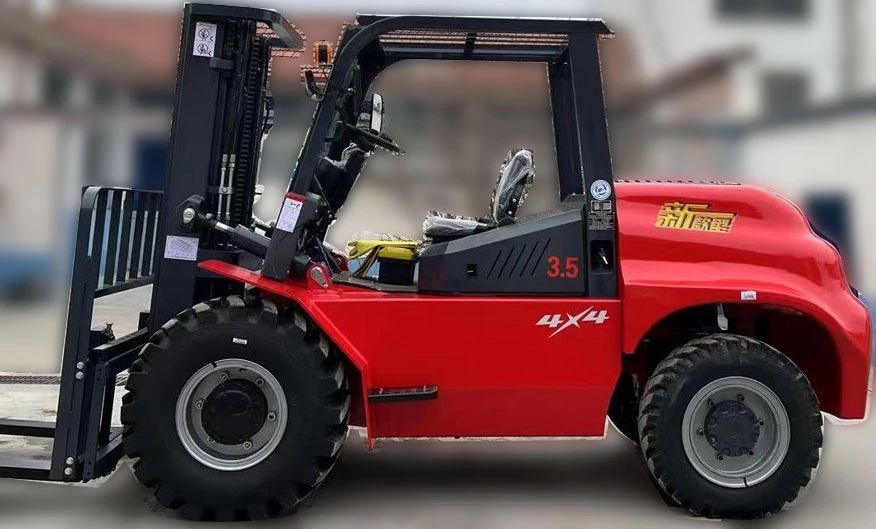
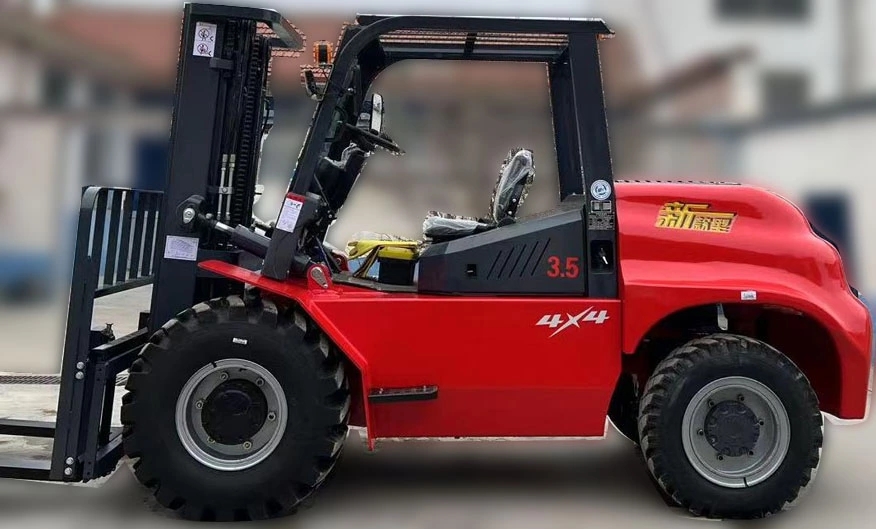
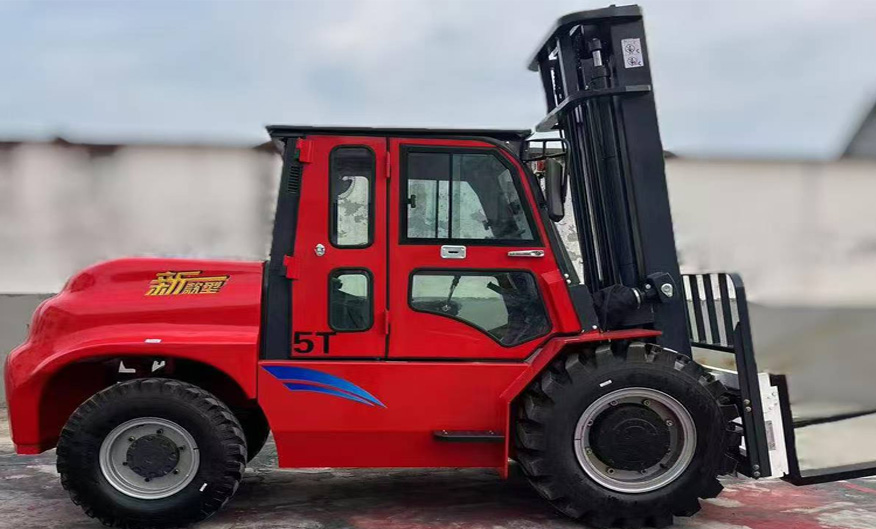
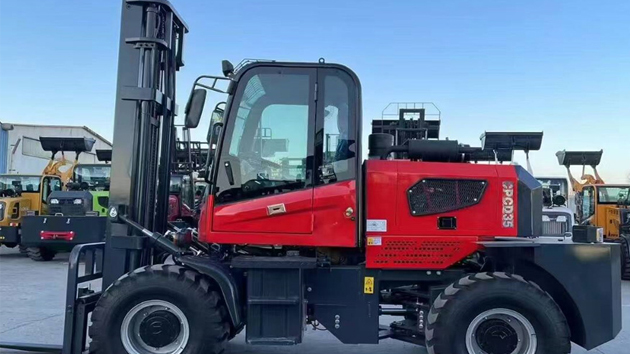
The mining industry demands robust and versatile equipment capable of withstanding extreme conditions, including waterlogged environments. Among the most critical specifications for mining 4WD forklifts is their water wading depth, a metric that determines operational efficiency in flooded or muddy terrains.
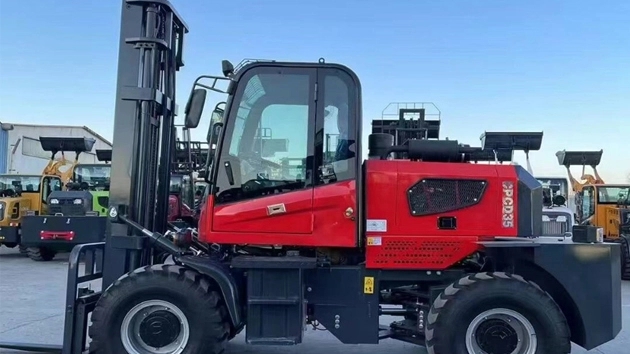
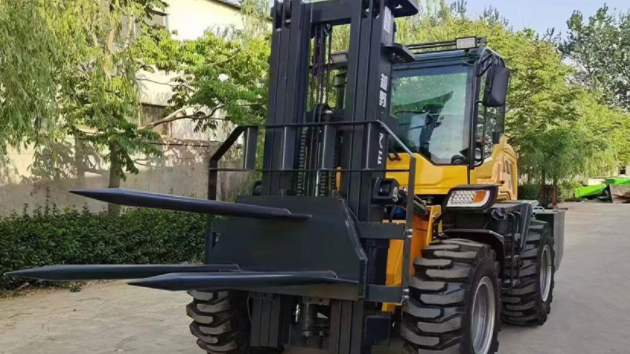
Modern mining 4WD forklifts are engineered with sealed electrical systems, high-mounted air intakes, and corrosion-resistant materials to ensure functionality even when partially submerged. The water wading depth of these machines typically ranges between 500mm to 800mm, depending on the model and manufacturer. This capability allows operators to navigate through shallow streams, flooded pits, or heavy rainfall without risking mechanical failure.
One of the key challenges in designing mining 4WD forklifts with superior water wading depth is balancing buoyancy and traction. Advanced hydraulic systems and reinforced chassis prevent water ingress into critical components, while specialized tires maintain grip in slippery conditions. Real-world testing in mining sites has shown that forklifts with deeper water wading capabilities reduce downtime by up to 30% during wet seasons.
Industry data reveals that mining operations in regions like Southeast Asia and South America, where heavy rainfall is frequent, prioritize forklifts with higher water wading depth ratings. Manufacturers such as Caterpillar and Komatsu have introduced models specifically optimized for these environments, incorporating drainage systems and waterproof seals to enhance durability.
Beyond hardware, operator training plays a crucial role in maximizing the benefits of mining 4WD forklifts in waterlogged conditions. Proper techniques for maneuvering through deep water, such as maintaining steady speeds and avoiding sudden stops, can significantly extend the lifespan of the equipment.
In conclusion, the water wading depth of mining 4WD forklifts is a critical factor in ensuring operational continuity in challenging environments. As mining operations expand into more water-prone regions, advancements in engineering will continue to push the boundaries of what these machines can achieve.